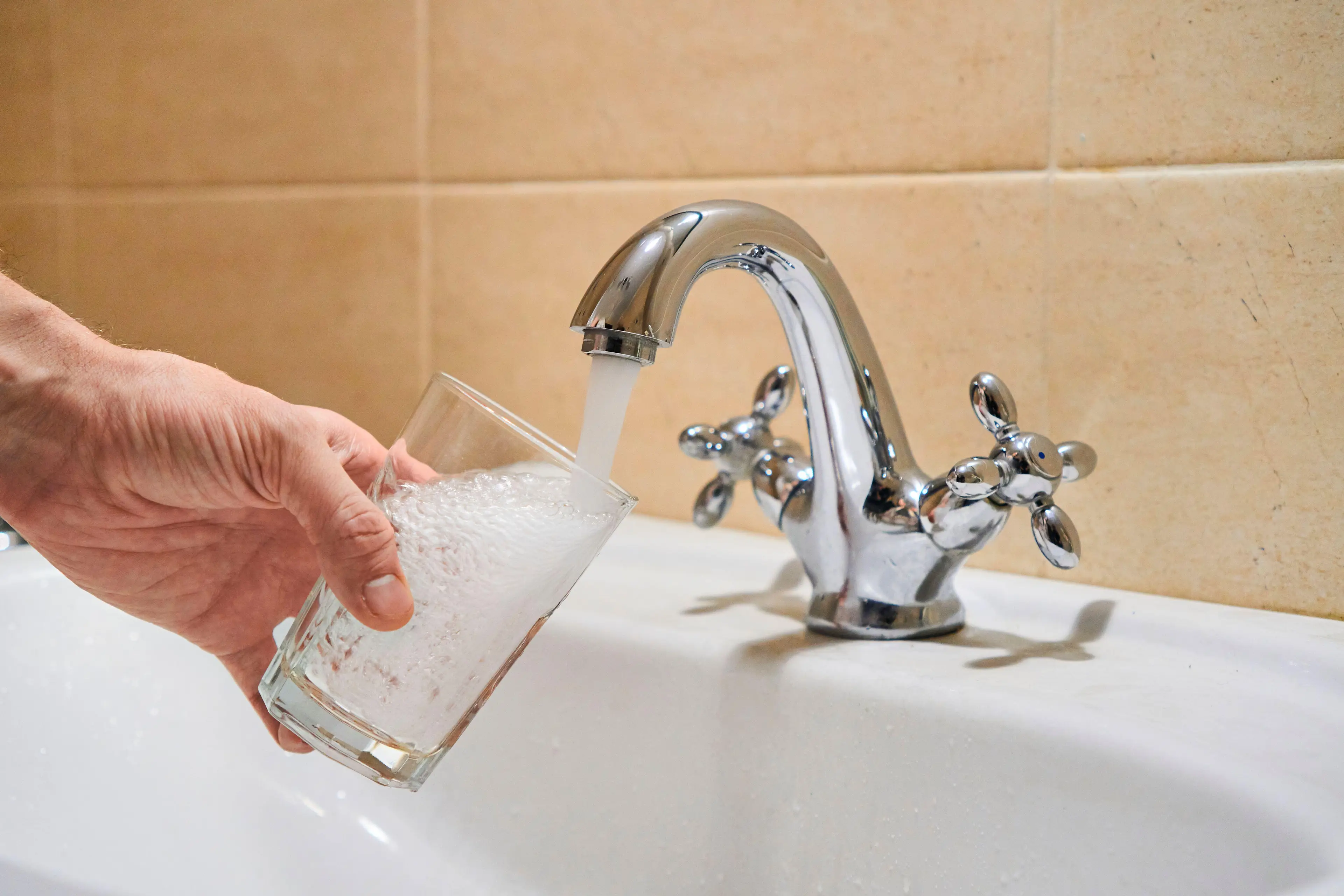
Many people use Bathroom Tap Water every day for brushing teeth, washing their face, showering, and other personal routines, but the question of whether it is safe to drink often creates confusion. Some people believe bathroom water is completely different from kitchen water, while others assume all taps inside a home provide exactly the same quality. The truth is that the safety of Bathroom Tap Water depends on your home’s plumbing system, water source, pipe condition, and whether the tap receives direct mains water or comes through a storage system.
In most modern homes with properly maintained plumbing, Bathroom Tap Water can be safe for everyday use and may also be suitable for drinking from the cold tap. However, many people still prefer kitchen tap water because kitchen supplies are usually designed specifically for drinking and cooking. Older properties, rental homes, and buildings with traditional plumbing systems may require extra attention because water quality can change after it enters household pipes.
Quick Answer: Can You Drink Bathroom Tap Water Safely?
The short answer is that Bathroom Tap Water can be safe to drink in many homes, but there is no universal answer for every property. If the cold bathroom tap is connected directly to the mains water supply and the plumbing is in good condition, the water is generally treated to meet drinking standards. However, if the property has older pipes, a storage tank, or unknown plumbing history, checking the system before regularly drinking from the tap is a sensible choice.
The safest habit is to use cold water for drinking rather than hot tap water. Cold water usually comes directly from the main supply, while hot water may pass through a heater or storage system where it can collect additional minerals or interact with plumbing materials. If you are unsure about your home’s setup, understanding how your water reaches the bathroom tap is the first step toward making a safer decision.
Where Does Bathroom Tap Water Come From?
Bathroom Tap Water usually begins from the same treated water supply that serves the rest of the property. Water companies clean and test public supplies before sending them through underground pipes to homes and buildings. Once water enters a property, however, the internal plumbing system can affect its final quality. The route from the main supply to your bathroom faucet depends on the age, design, and maintenance of the building.
In newer homes, bathroom taps are often connected directly to the mains water supply, meaning the water arrives fresh from the network. In some older homes, especially properties with traditional plumbing layouts, bathroom taps may receive water from a storage tank. These tanks can collect sediment or require maintenance over time. This does not automatically make the water unsafe, but it means the plumbing system should be considered when deciding whether bathroom water is suitable for drinking.
Bathroom Tap Water vs Kitchen Tap Water: What Is the Difference?
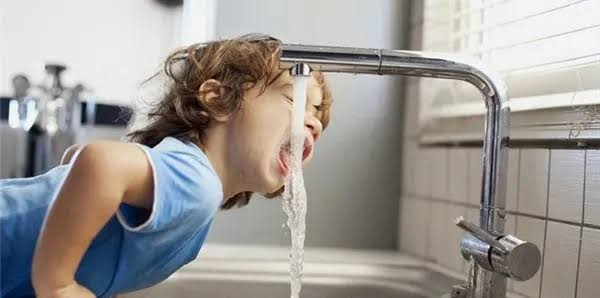
The main difference between Bathroom Tap Water and kitchen tap water is usually the plumbing arrangement rather than the water treatment itself. Kitchen taps are commonly installed for drinking, cooking, and food preparation, so many homeowners naturally choose them as their main source of drinking water. Bathroom taps are generally designed for washing and hygiene, even though the water may come from the same supply.
Another difference is how long water may remain inside the pipes before use. If a bathroom tap has not been used overnight, the first water released may have been sitting in the plumbing system for several hours. Allowing the cold tap to run briefly can help replace standing water with fresher water from the supply line. This is particularly useful in older homes where pipe materials or fittings may influence taste and water quality.
Is Cold Bathroom Tap Water Safe to Drink?
Cold Bathroom Tap Water is generally the better option if you choose to drink from a bathroom faucet. Cold water usually travels through the main supply system without passing through a water heater, making it the preferred choice for drinking and cooking. Before drinking, especially after the tap has not been used for a long time, let the water run until it becomes consistently cold.
People living in modern homes with maintained plumbing often use cold bathroom water without problems. However, caution is recommended if you live in an older property, notice unusual taste or smell, or are unsure about the condition of your pipes. Testing the water can provide reassurance and help identify whether there are issues with metals, minerals, or other substances affecting your household supply.
Why Older Homes May Have Different Bathroom Tap Water Quality
Older houses can have different Bathroom Tap Water conditions because their plumbing systems may contain older materials or designs that are no longer commonly used in new construction. Some older properties may have aging pipes, storage tanks, or fittings that can affect taste, colour, and overall water quality. The risk depends on the condition of the plumbing rather than simply the age of the building.
If you live in an older home, it is worth checking whether your bathroom cold tap is mains-fed or connected to a storage system. Looking at the pipework, asking previous owners or landlords, or arranging a professional plumbing inspection can help you understand your setup. Regular maintenance and replacing outdated components can improve water reliability and reduce concerns about drinking water quality.
Signs Your Bathroom Tap Water May Need Checking
Changes in Bathroom Tap Water are often noticeable before they become a major problem. Cloudy water, unusual colours, strange smells, or a metallic taste can indicate that something has changed within the plumbing system. Sometimes cloudy water is simply caused by tiny air bubbles that disappear after a short time, but persistent changes should be investigated rather than ignored.
A rusty appearance may suggest pipe corrosion or sediment movement, while unusual smells can have different causes depending on the plumbing system and local water conditions. If the problem appears suddenly, affects multiple taps, or continues after flushing the pipes, contacting your water supplier or a qualified plumber can help identify the cause. Good water quality should normally be clear, fresh-smelling, and free from unusual tastes.
How to Improve Bathroom Tap Water Quality
Improving Bathroom Tap Water quality often starts with simple household habits. Cleaning faucet aerators, maintaining plumbing fixtures, and flushing unused taps after long periods can help improve water freshness. These small steps are especially useful in homes where taps are not used frequently or where mineral buildup is common.
Water filters can also improve taste and reduce certain substances depending on the type of filter used. However, not every filter removes every contaminant, so choosing the right product is important. A filter designed mainly for improving taste may not address issues related to specific metals or other concerns. If you have serious doubts about your water, testing should come before choosing a filtration solution.
Is Bathroom Tap Water Safe for Brushing Teeth and Washing?
For most households with a safe regulated water supply, using Bathroom Tap Water for brushing teeth and washing is generally considered acceptable. Many people use bathroom faucets daily for personal hygiene without any concerns. The main difference is that these activities usually involve limited water consumption compared with drinking directly from the tap.
People with sensitive skin may notice that water quality affects comfort even when the water is safe. Hard water, which contains higher levels of minerals, can contribute to dry skin, soap buildup, or changes in hair texture. In such cases, a suitable shower or tap filter may improve the experience. However, these solutions are usually about comfort rather than correcting unsafe water.
Is Bathroom Tap Water Safe in Hotels and Rental Homes?
Using Bathroom Tap Water in hotels, holiday properties, or rental homes requires a little more awareness because you may not know the plumbing history. In many places with regulated drinking water systems, bathroom water is safe to use, but local conditions and building maintenance can vary. If signs indicate that tap water is not suitable for drinking, always follow the instructions provided.
When staying somewhere unfamiliar, check local guidance or ask the property owner if you are uncertain. Using bottled water or filtered water can be a temporary option if you have concerns. Simple checks, such as looking at water clarity, smell, and local advice, can help you make a more informed decision without unnecessary worry.
How to Check Your Bathroom Tap Water Quality
The best way to understand your Bathroom Tap Water is to learn about your home’s plumbing system and water source. Start by finding out whether your bathroom cold tap is connected directly to the mains or supplied through a storage tank. This information can explain why water from one tap may taste different from another tap in the same property.
If you notice ongoing problems, a water test can provide useful information. Testing may check factors such as mineral levels, metals, or other water characteristics depending on the type of test used. Regular awareness is especially important for older homes, private water supplies, and properties where plumbing history is unknown.
Conclusion
Bathroom Tap Water is usually suitable for everyday activities, and in many modern homes, cold bathroom water may also be safe to drink. However, the quality depends on your plumbing system, water source, and the condition of your pipes. There is no single answer that applies to every home, which is why understanding your own water setup is important.
The safest approach is simple: use cold water for drinking, maintain your plumbing, pay attention to unusual changes, and test the water if you have concerns. For many households, Bathroom Tap Water is a reliable part of daily life, but being aware of possible issues helps you make better decisions about your home’s water quality.
FAQs
Can you drink Bathroom Tap Water safely?
Yes, in many homes, but it depends on plumbing condition and water supply.
Is cold Bathroom Tap Water better for drinking?
Yes, cold water is usually preferred over hot tap water.
Why does Bathroom Tap Water taste different?
Pipes, storage systems, and standing water can affect taste.
Is Bathroom Tap Water safe in old houses?
It depends on pipe condition and whether storage tanks are used.
How can I improve Bathroom Tap Water quality?
Maintain plumbing, clean taps, and test water if needed.
You May Also Read: Films Similar to Phone Booth