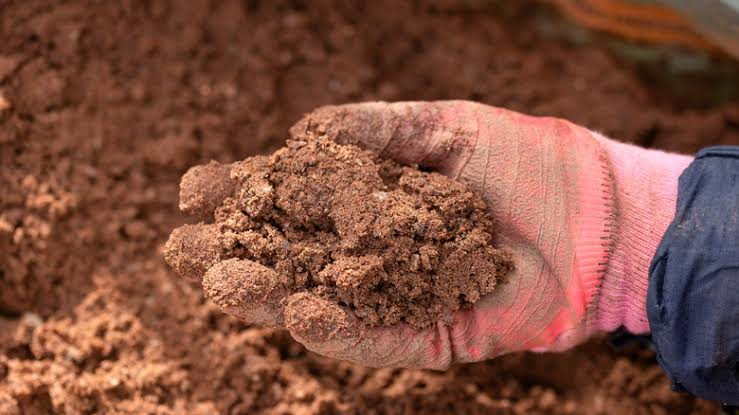
Sharp Sand for Lawn is a coarse, gritty sand used by gardeners to improve soil structure, drainage, and airflow around grass roots. Unlike fine sands that can become compacted, sharp sand contains larger, angular particles that create small spaces within the soil. These spaces allow water to move more freely and help oxygen reach the root zone, creating better conditions for stronger and healthier grass growth.
Many lawn problems are caused by compacted soil, especially in areas with heavy clay or frequent foot traffic. When soil becomes tightly packed, water may sit on the surface, roots may struggle to grow, and grass can become weak or discolored. Using Sharp Sand for Lawn correctly can improve these conditions by helping loosen the soil structure. However, it works best as part of a complete lawn care routine rather than as a single solution for every lawn problem.
Is Sharp Sand Good for Lawns and When Should You Use It?
Sharp Sand for Lawn can be highly beneficial when used in the right situation. It is particularly useful for lawns with poor drainage, compacted soil, uneven surfaces, or areas where grass struggles because the soil does not allow enough air movement. By improving the physical structure of the soil, sharp sand helps create a more suitable environment for grass roots to develop and absorb water and nutrients more effectively.
The best time to use sharp sand is usually during periods when grass is actively growing, such as spring and early autumn. These seasons allow the lawn to recover more easily after aeration and top dressing. Sharp sand is especially useful after lawn aeration because it can move into small holes created in the soil, improving airflow and drainage deeper around the roots. Applying it during extremely dry, frozen, or waterlogged conditions is generally less effective.
Benefits of Using Sharp Sand for Lawn Improvement
One of the main benefits of Sharp Sand for Lawn is improved drainage. Lawns growing in heavy soil often suffer from standing water after rainfall, which can damage grass roots and encourage moss growth. The coarse particles in sharp sand help create a more open soil structure, allowing excess moisture to move away while maintaining better growing conditions. This can lead to a stronger lawn with fewer wet patches.
Another advantage is improved aeration and surface leveling. Sharp sand is commonly used in lawn top dressing mixtures because it helps fill small uneven areas while improving the texture of the soil. When combined with compost and quality topsoil, it creates a balanced growing medium that supports healthier grass. Better soil structure also encourages deeper roots, which can help the lawn become more resistant to drought and everyday stress.
Can Sharp Sand Improve Clay Soil?
Sharp Sand for Lawn is often recommended for clay soil because clay tends to become dense and compacted. However, it is important to understand that simply spreading a small amount of sand over clay will not completely transform the soil. Heavy clay requires a combination of methods, including aeration, organic matter, and carefully planned top dressing. Sharp sand can support improvement, but it is not a complete replacement for proper soil management.
For clay lawns, the most effective approach is usually mixing sharp sand with organic materials such as compost. Compost improves nutrient availability and helps create a healthier soil environment, while sharp sand improves drainage and structure. Over time, repeated lawn care treatments can gradually improve difficult soil conditions. The goal is to create balanced soil that holds enough moisture and nutrients while still allowing air and water movement.
How to Apply Sharp Sand for Lawn Correctly
Before applying Sharp Sand for Lawn, proper preparation is essential. Begin by mowing the grass and removing leaves, debris, and excess thatch from the surface. If the lawn feels hard underfoot or water collects after rain, aeration should be considered before applying sand. Aerating creates pathways that allow the sand mixture to reach deeper into the soil instead of remaining only on the surface.
After preparation, spread a thin layer of sharp sand evenly across the lawn. Avoid creating thick piles because excessive sand can cover grass blades and slow growth. Use a rake, lawn brush, or stiff broom to work the sand into the surface and low areas. For better results, many gardeners combine sharp sand with compost and topsoil to create a nutrient-supporting top dressing mixture rather than using sand alone.
How Much Sharp Sand Should You Use on a Lawn?
The amount of Sharp Sand for Lawn required depends on the condition of the grass, soil type, and purpose of application. For general lawn improvement and top dressing, a thin layer is usually recommended. Applying small amounts gradually is safer than covering the lawn with a heavy layer because grass needs access to sunlight, nutrients, and moisture to continue growing properly.
For uneven lawns, more material may be needed in specific low areas, but the overall application should remain controlled. Gardeners should avoid trying to fix major soil problems with large amounts of sand at once. A gradual approach using aeration, organic matter, and seasonal maintenance normally provides better long-term results. Healthy lawns are created through consistent improvement rather than one single treatment.
Sharp Sand vs Lawn Sand: Understanding the Difference
Many people confuse Sharp Sand for Lawn with lawn sand, but they are different products designed for different purposes. Sharp sand is mainly used to improve drainage, soil structure, and aeration because of its coarse texture. It is commonly included in top dressing mixtures and soil improvement projects where better airflow and water movement are needed.
Lawn sand is usually a maintenance product that may contain ingredients such as fertilizer or moss-control materials. Its purpose is often related to feeding grass or improving lawn appearance rather than changing soil structure. Builders’ sand and play sand are also different and are generally not suitable substitutes because they may have finer particles that do not provide the same drainage benefits.
Common Mistakes When Using Sharp Sand for Lawn
One of the biggest mistakes gardeners make is applying too much Sharp Sand for Lawn without considering soil balance. While sharp sand improves drainage, excessive amounts can reduce the soil’s ability to hold nutrients and moisture. Grass requires a balance between drainage and fertility, so adding large quantities of sand without organic matter may create new problems.
Another common mistake is choosing the wrong type of sand. Builders’ sand, unwashed sand, or sea sand may contain unsuitable materials that can affect grass health. It is better to choose clean horticultural sharp sand designed for gardening use. Gardeners should also avoid applying sand without addressing other lawn issues such as poor mowing practices, lack of nutrients, or insufficient sunlight.
Using Sharp Sand with Aeration, Compost, and Lawn Reseeding
Sharp Sand for Lawn works best when combined with other lawn improvement methods. Aeration creates space in compacted soil, allowing sharp sand to move deeper and improve the root environment. Compost adds organic matter and nutrients, helping grass establish stronger growth. Together, these treatments create a more balanced soil structure than sharp sand alone.
Sharp sand can also support lawn reseeding projects by improving seed contact with the soil surface. When preparing bare patches, a suitable mixture of soil, compost, and sharp sand can create better conditions for new grass growth. However, seeds still require regular moisture, suitable temperatures, and proper care. Sharp sand supports the process but does not replace essential lawn maintenance.
How to Maintain Your Lawn After Applying Sharp Sand
After applying Sharp Sand for Lawn, continued maintenance is important for achieving lasting improvements. Regular mowing, seasonal feeding, and proper watering help grass recover and grow stronger. Monitoring the lawn after treatment allows gardeners to identify whether additional aeration or top dressing is needed in the future.
The results of using sharp sand are usually gradual rather than immediate. Over time, improved drainage, stronger roots, and healthier grass growth may become noticeable when combined with good lawn care practices. A successful lawn improvement plan focuses on creating healthy soil conditions rather than relying on one material alone.
Conclusion
Sharp Sand for Lawn is a useful tool for improving drainage, aeration, and soil structure when applied correctly. It can help lawns affected by compaction, uneven surfaces, and poor water movement by creating better conditions for grass roots. However, the best results come from combining sharp sand with other lawn care practices such as aeration, composting, feeding, and proper maintenance.
Using the correct type of sand, applying the right amount, and understanding your lawn’s needs are essential steps for success. Sharp sand is not a quick fix for every garden issue, but when used as part of a balanced lawn care strategy, it can contribute to healthier, greener, and stronger grass.
Frequently Asked Questions
Is sharp sand good for lawns?
Yes, sharp sand can improve drainage and soil structure, especially in compacted lawns, when it is applied correctly and combined with proper lawn care.
Can sharp sand improve clay soil?
Yes, sharp sand can help clay soil, but it works best with aeration and organic matter rather than being used alone.
How much sharp sand should I put on my lawn?
A thin, even layer is usually recommended. The exact amount depends on soil condition, lawn size, and whether it is used for top dressing or improvement.
What is the difference between sharp sand and lawn sand?
Sharp sand improves drainage and soil structure, while lawn sand is usually designed for grass feeding or moss control.
When is the best time to apply sharp sand to a lawn?
Spring and early autumn are usually the best times because grass is actively growing and can recover more effectively after treatment.
You May Also Read: Name For Hawaiian Flower Necklace