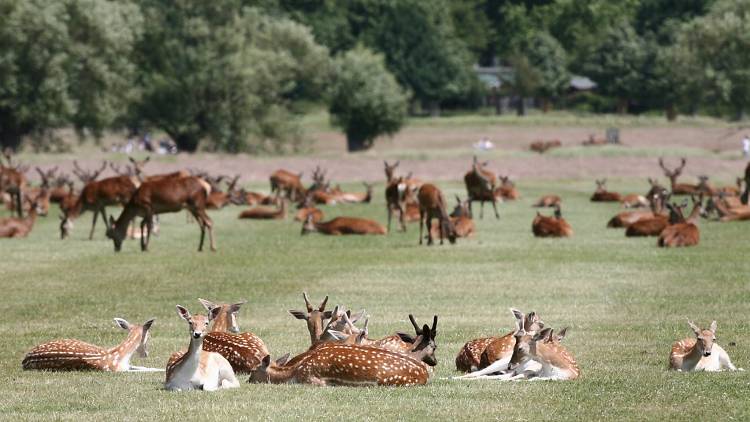
Richmond Park photos have become increasingly popular among photographers, travelers, and nature lovers who want to capture one of London’s most breathtaking natural spaces. As the largest of the Royal Parks, Richmond Park offers a rare combination of vast open landscapes, ancient woodlands, roaming deer, and panoramic views of the city skyline. This diversity makes it a prime destination for photography enthusiasts of all skill levels, from casual smartphone users to professional landscape and wildlife photographers.
The appeal of Richmond Park photos lies in their ability to showcase nature in its raw and unfiltered form, right on the edge of a major global city. Unlike manicured gardens, the park feels wild and timeless, allowing photographers to capture scenes that look more like the countryside than urban London. Each visit offers something new, whether it’s changing light, weather conditions, or wildlife behavior, ensuring that no two photo sessions are ever the same.
Best Locations for Richmond Park Photos
Some areas of Richmond Park are especially well known for producing iconic photographs. Wide-open grasslands provide sweeping views that are perfect for landscape photography, while elevated points offer distant glimpses of landmarks such as St Paul’s Cathedral on clear days. These viewpoints are particularly popular with photographers who enjoy dramatic skies and long-distance compositions.
Wooded sections of the park offer a completely different atmosphere, ideal for moody, intimate shots. Tree-lined paths, hidden ponds, and natural clearings create opportunities for creative framing and depth. These quieter areas are perfect for photographers looking to capture calm, less crowded scenes. Exploring beyond the main paths often leads to unique compositions that stand out among typical Richmond Park photos.
Wildlife Photography in Richmond Park
Wildlife is one of the defining features of Richmond Park, and deer photography is often the main reason people visit with a camera. Red and fallow deer roam freely throughout the park, offering incredible opportunities for natural wildlife photography. Capturing these animals in their environment can result in powerful, memorable images, especially during early morning or late afternoon when they are most active.
However, ethical considerations are essential when taking wildlife photos. Photographers should always maintain a safe distance and avoid disturbing the animals. Long lenses are recommended to capture detailed shots without getting too close. In addition to deer, the park is home to birds, insects, and small mammals, making it a rewarding destination for photographers interested in biodiversity and natural storytelling.
Seasonal Beauty in Richmond Park Photos
One of the greatest strengths of Richmond Park photos is their seasonal variety. In spring, fresh greenery, blooming flowers, and soft light create a sense of renewal and optimism. This season is ideal for capturing delicate details, vibrant colors, and gentle wildlife moments.
Autumn transforms the park into a photographer’s dream, with golden leaves, misty mornings, and rich, warm tones dominating the landscape. Winter offers a more dramatic mood, with frost-covered grass, bare trees, and moody skies that add depth and contrast to photos. Summer, with its long days and golden sunsets, provides excellent opportunities for wide-angle landscape shots and glowing evening light. Each season brings a unique character, encouraging photographers to return throughout the year.
Best Time and Lighting for Richmond Park Photography
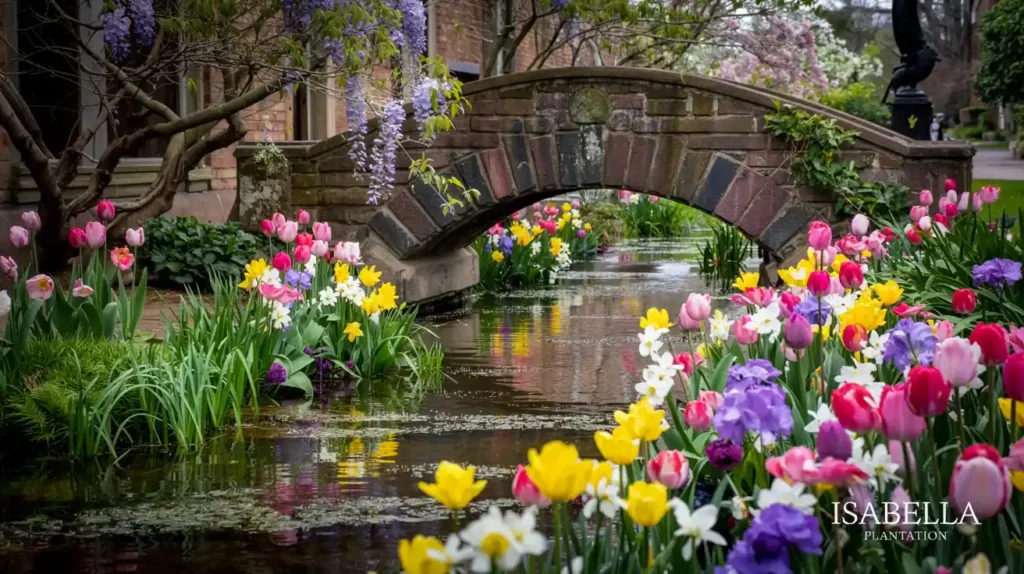
Lighting plays a crucial role in the quality of Richmond Park photos. Early mornings are particularly magical, offering soft light, minimal crowds, and occasional mist rising from the ground. Sunrise photography allows photographers to capture peaceful scenes and wildlife activity that is rarely visible later in the day.
Golden hour, just before sunset, is another ideal time for photography. The warm tones enhance natural colors and add depth to landscapes and portraits alike. Weather also influences the mood of photos—cloudy days can create dramatic skies, while after-rain conditions often result in richer colors and reflections. Understanding how light interacts with the park’s landscapes helps photographers consistently capture high-quality images.
Photography Tips for Capturing Stunning Richmond Park Photos
Successful Richmond Park photos rely on thoughtful composition and patience. Using natural elements such as trees, paths, and fences as leading lines can guide the viewer’s eye through the image. Wide-angle lenses are excellent for capturing expansive landscapes, while telephoto lenses are ideal for wildlife and distant details.
Smartphone photography can also be highly effective in the park, especially with modern camera features and editing apps. Regardless of equipment, paying attention to framing, light, and timing makes a significant difference. Simple post-processing adjustments, such as correcting exposure and enhancing contrast, can help photos reflect the atmosphere experienced in person without over-editing.
Social Media and Sharing Richmond Park Photos
Richmond Park photos are widely shared on social media platforms due to their visual appeal and emotional impact. Images of deer, sunsets, and misty landscapes often perform well, especially when paired with thoughtful captions that tell a story. Using relevant hashtags can help photos reach a wider audience while connecting with other photography enthusiasts.
It is important to respect park rules and wildlife when sharing images publicly. Photographers should avoid encouraging unsafe behavior, such as getting too close to animals. Understanding image rights and usage permissions is also essential, particularly for professional or commercial photography. Responsible sharing ensures that Richmond Park remains a respected and protected location.
Conclusion
Richmond Park photos capture the rare beauty of a natural sanctuary thriving alongside a major city. From wildlife encounters to expansive landscapes and seasonal transformations, the park offers endless inspiration for photographers. Its changing moods and timeless scenery make it a destination worth revisiting again and again.
By understanding the best locations, lighting conditions, and ethical photography practices, anyone can create meaningful and visually striking Richmond Park photos. Whether photographing for personal enjoyment or professional purposes, the park provides an unparalleled canvas for creative expression and appreciation of nature.
FAQs About Richmond Park Photos
Is photography allowed in Richmond Park?
Yes, photography is allowed for personal use, but commercial shoots may require permission.
What is the best time of year for Richmond Park photos?
Autumn and spring are especially popular, but each season offers unique photographic opportunities.
Can you photograph deer up close?
No, visitors should always keep a safe distance to protect both themselves and the animals.
Are drones allowed in Richmond Park?
Drones are generally prohibited to protect wildlife and visitors.
Do you need professional equipment for Richmond Park photos?
No, both smartphones and professional cameras can capture stunning images with the right techniques.
What is the best time of day for photography?
Early morning and late afternoon provide the best natural lighting and fewer crowds.
You May Also Read: cray0lav0mit