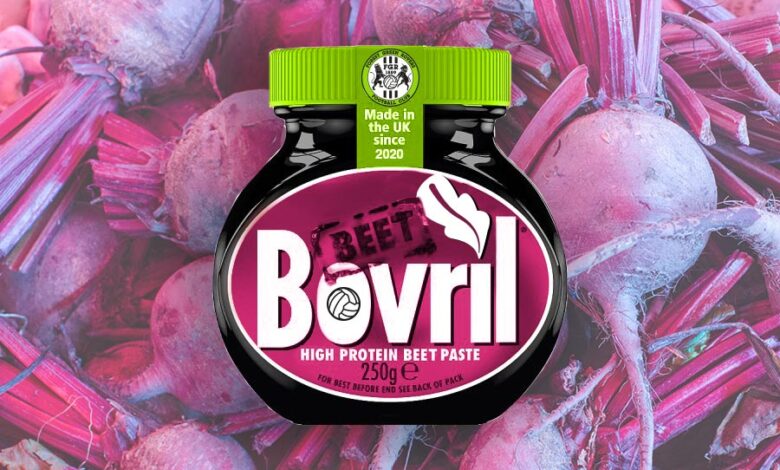
If you enjoy Bovril but follow a vegan diet, the most important fact is simple: standard Bovril is not vegan. Its familiar rich and savoury flavour comes partly from beef-derived ingredients, so it does not meet the requirements of a vegan diet. The confusion exists because Bovril has not always used exactly the same recipe. For a period in the 2000s, beef was removed from the formula, which means older information online can give readers a very different answer from information about the standard product sold today.
Understanding that history is useful before buying Bovril or using it in cooking. Bovril may resemble yeast-extract products such as Marmite, but the two should not automatically be treated as equivalent. Ingredients, recipes, and product variants matter. This guide explains why standard Bovril is not vegan, whether it is suitable for vegetarians, what happened when its recipe changed, and which plant-based alternatives can provide a similar savoury character.
Is Bovril Vegan?
Standard Bovril is not suitable for vegans because its recipe contains ingredients derived from beef. Vegan diets exclude meat as well as ingredients obtained directly from animals, so the presence of beef is enough to make the product non-vegan. The fact that Bovril also contains ingredients such as yeast extract does not change its status. A food cannot be considered vegan simply because some or even most of its individual ingredients are plant-based when meat-derived ingredients remain in the finished recipe.
Anyone checking whether Bovril is vegan should look at the specific jar rather than rely on an old article, forum discussion, or memory of a previous formula. Bovril has changed over time, which explains why conflicting answers remain online. Product formulations can also be updated, so the ingredient declaration on current packaging should take priority when making a dietary decision. If avoiding animal ingredients is important, look for clear vegan labelling on the exact product being purchased rather than assuming all Bovril-branded products have identical formulas.
What Is Bovril?
Bovril is a concentrated savoury paste with a long association with British food culture. It can be diluted in hot water to make a warming savoury drink, but it is also used to add depth to gravies, stews, soups, casseroles, and other dishes. Its concentrated nature means only a relatively small quantity is normally required. The product is especially recognisable in Britain, where drinking hot Bovril has traditionally been associated with cold weather and sporting events, including football matches.
Bovril is sometimes compared with Marmite because both are dark, concentrated products with powerful salty and umami characteristics. That visual and flavour similarity can cause problems for vegan shoppers, however, because the products are not interchangeable from an ingredient perspective. Yeast extract can contribute to Bovril’s savoury character, but standard Bovril also contains beef-derived ingredients. Someone who already knows that a particular yeast-extract spread is vegan should therefore not assume Bovril has the same dietary status simply because the products look or taste broadly similar.
What Ingredients Make Bovril Non-Vegan?
The important ingredients for vegans are the beef-derived components in standard Bovril. Beef stock and dehydrated beef are animal ingredients, so their presence provides a straightforward answer to the main dietary question. Yeast extract, meanwhile, is not what makes standard Bovril unsuitable. This distinction matters because people sometimes see “yeast extract” in discussions about Bovril and assume that the entire product is comparable with a plant-based yeast spread. The full recipe, rather than one individual ingredient, determines whether the finished product is appropriate for a vegan diet.
This also explains why reading labels is more useful than judging Bovril by its flavour. A product can deliver a “meaty” or umami taste entirely from plant ingredients, while another can obtain part of that character from actual meat. Vegans should therefore check the ingredient list for terms that clearly indicate animal content and also look for suitable vegan labelling where available. If the formulation on a particular jar differs from information found online, the current packaging is the more relevant source for deciding whether that specific product meets dietary requirements.
Is Bovril Vegetarian?

Standard beef-containing Bovril is not vegetarian either. Although vegetarian diets differ from vegan diets in several respects, vegetarians do not eat meat. A product containing beef stock or dehydrated beef therefore fails the basic requirement for both diets. This point is worth making clearly because historical references to “vegetarian Bovril” can easily create the impression that the standard product currently sold has no meat. Those references usually relate to an earlier reformulation rather than the familiar beef-containing version.
The difference between vegetarian and vegan also matters when considering alternative products. A label stating that something is vegetarian does not automatically establish that it is vegan, because a vegetarian product may contain other animal-derived ingredients. Vegans should look for information relevant specifically to vegan suitability. In Bovril’s case, there is no need for a complicated distinction when discussing the standard beef recipe: the presence of beef makes it unsuitable for both vegetarians and vegans.
Why Was Bovril Vegetarian in the Past?
Much of today’s confusion can be traced to a genuine change in Bovril’s history. In 2004, beef was removed from the recipe and a meat-free formula based around yeast extract was introduced. Contemporary reports described the reformulated Bovril as vegetarian. This was a significant change for a brand so closely associated with beef, and information about that period can still appear when people search online for whether Bovril is vegetarian or vegan.
The change did not last. Beef was reintroduced to Bovril in 2006, meaning an article discussing the meat-free formula from the mid-2000s does not describe the standard beef-containing product that followed. A useful way to remember the timeline is simple: Bovril was traditionally beef-based, became meat-free in 2004, and returned to a beef-containing recipe in 2006. This history is the main reason a shopper may encounter apparently contradictory answers even when the sources were accurate for the particular period they described.
Does Bovril Still Contain Beef?
Yes, standard Bovril contains beef-derived ingredients, which is why the answer to “Is Bovril vegan?” remains no for the regular product. This point is particularly useful for anyone who remembers the meat-free period or has encountered an older reference describing Bovril as vegetarian. The historical recipe change should not be used as evidence that a jar being sold now is automatically meat-free. The current ingredient declaration is what matters when deciding whether a particular product can be eaten on a vegan or vegetarian diet.
Shoppers should also avoid assuming that every Bovril product sold in every country is necessarily identical. Recipes, pack sizes, and specialised versions can vary between markets and can change over time. Instead of relying solely on the brand name, check the ingredients and dietary statements on the exact product. This simple habit is especially valuable for vegans because it avoids confusion caused by discontinued recipes, old online discussions, imported products, or unusual limited versions carrying the same well-known brand.
Vegan Alternatives to Bovril
People avoiding Bovril do not need to give up strong savoury flavours. Marmite is an obvious alternative for many UK shoppers because its yeast-extract character works well on toast and can also be added in small quantities to sauces, gravies, and hot water. Vegemite offers another concentrated yeast-based option with its own distinctive flavour. Because recipes and dietary labelling can change, vegans should still check the current packaging of any substitute rather than assuming suitability solely from the product’s reputation.
For cooking, vegan vegetable stock, mushroom-based stock, miso, nutritional yeast, and other plant-based umami ingredients can perform jobs similar to Bovril without trying to reproduce it exactly. Vegetable or mushroom stock works naturally in soups and gravies, while miso can bring saltiness and fermented depth to sauces and stews. A small amount of yeast extract can intensify savoury dishes as well. The best substitute therefore depends on whether you want a hot drink, a spread, a cooking stock, or simply extra umami in a recipe.
Bovril vs Marmite for Vegans
Bovril and Marmite are frequently compared because both are dark savoury spreads that can be used in cooking or prepared as warming drinks. The crucial difference for a vegan shopper is not their appearance but their ingredients. Standard Bovril contains beef-derived components, whereas Marmite is based on yeast extract rather than beef. That makes Marmite a much more relevant option for someone trying to reproduce part of the salty, intensely savoury experience of Bovril without deliberately adding meat to a recipe.
Their flavours are not identical, however, so Marmite should be considered an alternative rather than a perfect copy. Bovril’s beef component contributes to its particular character, while yeast extract gives Marmite its distinctive profile. When substituting one concentrated savoury product for another in cooking, it is sensible to start with a small amount and adjust according to taste. For strict vegan diets, the dietary information and current ingredient label on the substitute should still be checked before use.
Is Bovril Healthy?
Whether Bovril fits someone’s diet cannot be decided simply by calling it healthy or unhealthy. It is a concentrated savoury product generally consumed in relatively small quantities, and its nutritional importance depends on serving size, frequency of use, and the rest of a person’s diet. Salt is an especially relevant consideration with concentrated savoury products, so people who monitor sodium intake should read the nutrition panel and consider the amount they actually use rather than judging the product only by its traditional reputation as a warming drink.
For vegans, however, nutritional value is a separate question from suitability. A food could provide useful nutrients and still not be vegan if it contains an animal-derived ingredient. Likewise, choosing a vegan Bovril alternative does not automatically make that alternative nutritionally superior. Comparing ingredients, salt levels, serving sizes, and any fortified nutrients gives a more useful picture. People with specific medical or dietary requirements should use the information printed on the current product and follow relevant professional dietary advice.
What Vegans Should Check Before Buying Bovril
The easiest way to avoid confusion is to treat the packaging in front of you as the starting point. Check the full ingredients list, look for an explicit vegan statement or recognised vegan marking where relevant, and make sure you are examining the exact variety you intend to buy. This is more reliable than using a photograph of an old jar or a discussion written when Bovril had a different recipe. It also helps distinguish standard Bovril from unusual, imported, promotional, or discontinued versions that may appear in online searches.
The same rule applies when buying an alternative. “Meat-free,” “vegetarian,” and “vegan” are not interchangeable descriptions, so shoppers following a strict vegan diet should check specifically for vegan suitability. If a manufacturer changes a recipe, information published years earlier may no longer apply. This is particularly important with Bovril because its history demonstrates that a familiar brand can move from a meat recipe to a meat-free recipe and then back again. Checking the current label removes much of that uncertainty.
Conclusion
So, is Bovril vegan? Standard Bovril is not vegan because it contains beef-derived ingredients. It is also unsuitable for vegetarians for the same basic reason. The confusion surrounding the product is understandable because Bovril temporarily removed beef from its recipe in 2004 and introduced a vegetarian formula before beef returned in 2006. Older articles describing vegetarian Bovril can therefore be historically accurate without describing the standard beef-containing version that consumers may encounter today.
Vegans looking for a similar savoury experience have several options, including yeast-extract spreads and plant-based stocks, as well as ingredients such as miso and mushroom-based seasonings for cooking. No substitute tastes exactly the same, so the best choice depends on how Bovril would have been used. Most importantly, check current packaging whenever buying Bovril or an alternative because recipes and product ranges can change. That provides a more dependable answer than relying on an old ingredient list or historical product description.
FAQs
Is Bovril vegan?
No. Standard Bovril is not vegan because it contains beef-derived ingredients.
Is Bovril vegetarian?
No. Traditional Bovril contains beef, making it unsuitable for vegetarians as well as vegans.
Does Bovril still contain beef?
Yes. Standard Bovril contains beef ingredients. Always check the latest product label because recipes can change.
Was Bovril ever vegetarian?
Yes. Bovril removed beef from its recipe in 2004, but beef was reintroduced in 2006.
What is a vegan alternative to Bovril?
Vegan yeast extracts, vegetable stock, mushroom stock, or miso can provide a similar rich, savoury flavour.
You May Also Read: Spring Vale Mews