
A clean, well-maintained dress shirt is more than just a piece of clothing. It represents confidence, professionalism, and attention to detail. Whether you wear formal shirts every day for work, attend important meetings, or save them for special occasions, learning how to clean a dress shirt correctly helps maintain its colour, comfort, shape, and quality. Many shirts lose their original appearance because of incorrect washing temperatures, unsuitable detergents, excessive heat, or poor drying habits.
Taking care of a dress shirt does not require complicated techniques, but it does require the right approach. Understanding your fabric, treating stains early, choosing the correct washing method, and storing shirts properly can significantly extend their lifespan. This complete guide explains the best ways to clean different types of dress shirts, remove common stains, avoid damaging mistakes, and keep your wardrobe looking sharp.
Quick Answer: How to Clean a Dress Shirt Properly
The best way to clean a dress shirt starts with checking the care label because every fabric has different requirements. Remove collar stays, empty pockets, unbutton the shirt, and inspect for stains before washing. Treat visible marks first instead of relying only on the washing machine to remove them. Using cold or lukewarm water with a gentle detergent is usually the safest option for everyday cotton and blended shirts.
After washing, avoid harsh heat whenever possible. Hanging your shirt on a quality hanger while it dries helps maintain its shape and reduces wrinkles. Iron or steam the shirt according to the fabric type, then store it in a dry, ventilated place. These simple steps protect the fibres and help your shirts maintain a fresh, professional appearance.
Understand Your Dress Shirt Fabric Before Cleaning
Before learning how to clean a dress shirt, it is important to understand what material you are working with. Dress shirts are commonly made from cotton, linen, silk, polyester blends, and special wrinkle-resistant fabrics. Each fabric reacts differently to water, heat, detergent, and pressure. A cleaning method that works well for a durable cotton shirt may cause damage to a delicate silk or luxury fabric shirt.
Cotton dress shirts are among the easiest to maintain because they are breathable, comfortable, and durable. However, cotton fibres can shrink when exposed to high temperatures. Linen shirts are lightweight and excellent for warm weather but naturally wrinkle more easily. Silk shirts require extra care because strong detergents and heat can damage their delicate structure.
Always read the care label before washing. The label provides important information about recommended temperatures, drying methods, and whether professional cleaning is required. Following these instructions helps prevent common problems such as fading, shrinking, stretching, and loss of fabric softness.
Preparing a Dress Shirt Before Washing
Proper preparation makes a major difference in cleaning results. Before placing your dress shirt in the washing machine, inspect it carefully for stains, loose threads, damaged buttons, or areas that need additional attention. Removing collar stays before washing is important because these small inserts can bend or damage the collar shape during the wash cycle.
Unbutton the shirt completely before cleaning, including the cuffs and collar. Washing a fully buttoned shirt creates unnecessary tension on the stitching and may weaken the buttons over time. Turning the shirt inside out is also a useful technique because it protects the outside surface while allowing sweat, oils, and deodorant residue to be cleaned more effectively.
Sorting your shirts properly is another important step. Keep white dress shirts separate from darker colours to prevent colour transfer. Avoid washing delicate fabrics with heavy materials such as towels or jeans because friction can create unnecessary wear. A few minutes of preparation can protect your shirts from long-term damage.
How to Remove Stains From a Dress Shirt
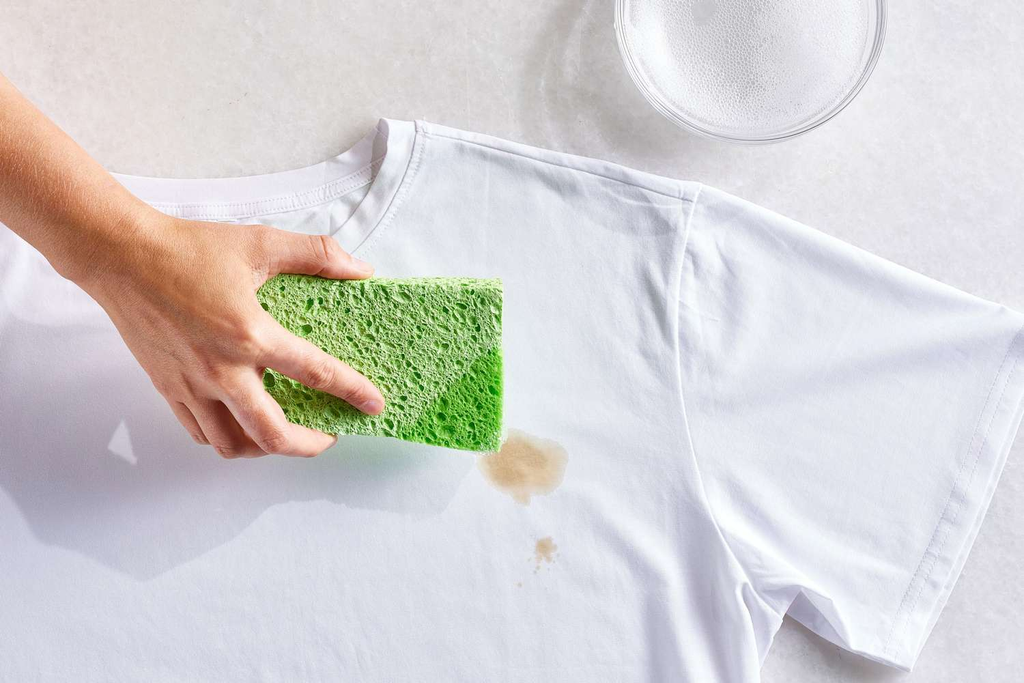
Stain removal should always happen before washing because many marks become harder to remove once they pass through heat. Collar stains, sweat marks, food spills, coffee, ink, and oil are among the most common problems found on dress shirts. Treating these areas early improves the chances of restoring the original appearance of the fabric.
For collar and underarm stains caused by sweat and body oils, apply a gentle stain treatment before washing. Allow the product to work for a short time before cleaning the shirt normally. Avoid aggressive scrubbing because excessive friction can weaken fibres and create visible wear. Always test a cleaning solution on a hidden area before applying it to expensive or delicate shirts.
Ink and oil stains require extra care because they can spread if handled incorrectly. Instead of rubbing the stain immediately, gently blot the affected area and use a suitable stain remover. For valuable shirts, designer garments, or difficult stains, professional cleaning may be the safest option to avoid permanent damage.
Best Washing Methods for Dress Shirts
For most everyday cotton and cotton-blend dress shirts, machine washing is a practical option when done correctly. Choose a gentle cycle with cold or lukewarm water and use a mild detergent suitable for delicate clothing. Avoid strong cleaning chemicals because repeated exposure can weaken fabric fibres and affect the shirt’s colour over time.
Do not overload the washing machine. Dress shirts need enough space for water and detergent to move properly around the fabric. Too many clothes in one load increase friction and reduce cleaning effectiveness. Using a mesh laundry bag can provide additional protection for lightweight shirts or garments with delicate details.
Hand washing is recommended for delicate fabrics such as silk or premium shirts with special finishes. Fill a clean basin with cool water, add a small amount of gentle detergent, and move the shirt carefully through the water. Avoid twisting or squeezing because this can stretch the fabric. After rinsing, press out excess water using a towel rather than wringing the shirt.
Drying and Ironing a Dress Shirt Correctly
Drying plays a major role in maintaining the shape and quality of your shirt. After washing, remove the dress shirt quickly from the machine to reduce wrinkles. Hanging it on a padded or wooden hanger allows the fabric to maintain its natural structure while drying. Avoid placing shirts in direct sunlight for long periods because strong exposure can fade colours.
If you use a dryer, choose a low-temperature setting and remove the shirt while it is slightly damp. High heat is one of the biggest causes of shrinking and fabric damage. Allowing the shirt to finish drying naturally is usually the safest option, especially for high-quality garments.
Ironing gives a dress shirt its polished appearance. Start with the collar and cuffs because these areas require more attention. Move to the sleeves and then the main body of the shirt. Always adjust the iron temperature according to the fabric type. Using steam can help remove wrinkles while reducing the need for excessive heat.
Caring for Different Types of Dress Shirts
Different fabrics require different care routines. Cotton dress shirts can usually handle regular washing but should be protected from excessive heat. Washing with cooler water and drying naturally helps maintain their size and softness. High-quality cotton shirts often become more comfortable over time when cared for properly.
Linen shirts should be handled gently because their natural texture creates a relaxed appearance but also makes them prone to wrinkles. Avoid harsh detergents and excessive heat. Allow linen shirts to air dry and embrace their natural texture rather than trying to remove every wrinkle.
Silk dress shirts need the most careful treatment. They should usually be washed by hand or professionally cleaned depending on the care instructions. Avoid strong detergents, hot water, and rough handling. Polyester blends and wrinkle-resistant shirts are easier to maintain but should still be protected from high temperatures that may affect their finish.
Common Mistakes That Damage Dress Shirts
Many people unintentionally shorten the life of their dress shirts through everyday mistakes. One common mistake is using the same washing method for every shirt regardless of fabric type. A delicate shirt requires different care compared with a standard cotton office shirt, and ignoring these differences can lead to permanent damage.
Using too much detergent is another problem. More detergent does not always mean cleaner clothes. Excess product can leave residue on fibres, making shirts feel stiff and reducing their natural breathability. Fabric softeners should also be used carefully because they may affect certain materials and reduce moisture absorption.
Poor storage habits can also damage shirts. Hanging shirts on thin wire hangers may create unwanted shoulder marks, while storing damp clothing can encourage unpleasant smells and mildew. Proper washing, drying, and storage habits work together to keep your wardrobe in excellent condition.
Professional Dry Cleaning vs Home Cleaning
Not every dress shirt needs professional dry cleaning. Many everyday shirts made from cotton or blended fabrics can be safely cleaned at home when proper methods are followed. Home washing gives you control over water temperature, detergent choice, and drying conditions, which can be gentler than frequent professional treatments.
Professional dry cleaning is recommended for shirts marked “dry clean only,” expensive designer garments, delicate fabrics, or difficult stains. Professional cleaners use specialised equipment and techniques designed to protect materials that may not respond well to normal washing.
The best approach depends on the shirt’s fabric, condition, and care instructions. Combining careful home maintenance with occasional professional cleaning when necessary provides the best balance between appearance, convenience, and long-term value.
Conclusion
Knowing how to clean a dress shirt properly helps you protect your clothing investment and maintain a professional appearance. The process is not only about removing dirt; it is about preserving fabric quality, preventing damage, and keeping shirts comfortable for years. From checking care labels and treating stains early to choosing the correct washing method and drying technique, every step contributes to better results.
With the right care routine, your dress shirts can maintain their colour, shape, and polished appearance much longer. Whether you wear formal shirts daily or only occasionally, these cleaning techniques help you save money, reduce unnecessary replacements, and keep your wardrobe looking its best.
Frequently Asked Questions
Can I wash a dress shirt in a washing machine?
Yes, many cotton and blended dress shirts can be machine washed using a gentle cycle, mild detergent, and cooler water. Always check the care label first.
How often should I wash a dress shirt?
Most dress shirts should be washed after one or two wears, especially if they collect sweat around the collar and underarms.
What is the best way to wash white dress shirts?
Wash white shirts separately using a gentle detergent and avoid excessive bleach because it can weaken fibres and cause yellowing over time.
How can I prevent my dress shirt from shrinking?
Use cooler water, avoid high heat drying, and follow fabric-specific care instructions to maintain the original size and shape.
Should I dry clean every dress shirt?
No, many everyday shirts can be safely washed at home. Dry cleaning is mainly needed for delicate fabrics, special finishes, or care labels requiring professional cleaning.
You May Also Read: Best Skirting Board