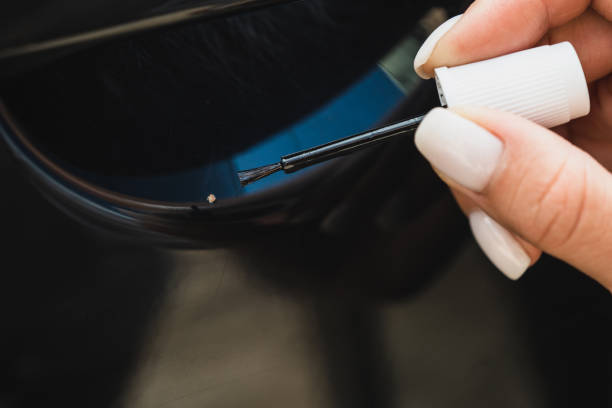
A loose or damaged wing mirror can quickly become a frustrating problem for any driver. Whether the mirror glass has fallen away from the backing plate, the plastic housing has cracked, or a small part has become detached, choosing the correct glue for wing mirror repair is essential for creating a safe and durable fix. A mirror is constantly exposed to vibration, rain, sunlight, temperature changes, and road conditions, so ordinary household glue is rarely a reliable solution.
The best adhesive depends on what part of the wing mirror needs repair. A product that works well for mirror glass may not be suitable for plastic housing or structural components. Automotive-grade adhesives are specifically designed to handle outdoor conditions and provide stronger performance than general-purpose glues.
Before starting any repair, it is important to identify the damage, select the correct adhesive type, prepare the surface properly, and allow enough curing time. Using the right approach can help restore your mirror without unnecessary replacement costs, but some types of damage may still require a complete mirror replacement.
What Is the Best Glue for Wing Mirror Repair?
The best glue for wing mirror repair depends on the type of damage and the materials involved. There is no single adhesive that works perfectly for every mirror problem because modern wing mirrors contain different materials, including glass, plastic, metal brackets, and sometimes electrical heating components.
For detached mirror glass, a specialist automotive mirror adhesive or suitable automotive bonding tape is usually the preferred choice. These products are designed to bond smooth glass surfaces and withstand outdoor conditions. For damaged plastic sections or small structural repairs, a strong automotive epoxy or plastic-compatible adhesive may provide better results.
A common mistake is choosing an adhesive only because it has a high strength rating. In automotive repairs, flexibility and vibration resistance are often just as important as bonding power. A very rigid adhesive may crack when exposed to constant vehicle movement, while a flexible automotive adhesive can better handle normal stress.
The correct choice depends on factors such as the repair location, weather exposure, temperature changes, and whether the mirror has additional features like heating elements or electronic adjustment.
Different Types of Glue for Wing Mirror Repairs
Different wing mirror problems require different adhesive solutions. Understanding the strengths and limitations of each option helps prevent failed repairs and unnecessary repeat work.
Automotive Mirror Adhesive Kits
Specialized mirror adhesive kits are designed specifically for attaching mirror glass to vehicle mirror assemblies. These products often include preparation materials that improve bonding strength and help the adhesive connect properly with smooth glass surfaces.
They are usually a better option than general-purpose glue because they are developed for automotive environments. They can handle temperature changes, moisture, and everyday driving vibrations when applied correctly.
Epoxy Adhesives
Epoxy adhesives are known for their strong bonding ability and are often used for repairing rigid components such as plastic mirror housings or metal parts. They create a strong connection after curing and can work well where maximum holding strength is required.
However, epoxy becomes relatively rigid after drying, so it may not be ideal for areas that experience frequent movement. It is important to use epoxy only where its properties match the repair.
Silicone-Based Automotive Adhesives
Silicone adhesives offer flexibility and weather resistance, making them useful for areas where some movement is expected. They can handle moisture and temperature changes while maintaining a flexible bond.
Because silicone remains slightly flexible, it may perform better than rigid adhesives in certain mirror applications where vibration is a concern.
Automotive Double-Sided Adhesive Tape
High-quality automotive adhesive tape can be effective for lightweight mirror glass applications. It provides a clean installation process without the mess of liquid glue.
However, adhesive tape is not suitable for every repair. It should only be used when the mirror design and weight are appropriate for this type of attachment.
Choosing the Right Glue for Wing Mirror Glass
Many drivers searching for glue for wing mirror are actually trying to reattach mirror glass that has separated from its backing plate. This is one of the most common mirror problems and requires careful adhesive selection.
Mirror glass has a smooth, non-porous surface, which means some adhesives struggle to create a strong connection. A product designed specifically for automotive glass bonding is usually more reliable than standard household glue.
Before applying adhesive, remove any old glue, dirt, grease, or moisture from both surfaces. Even a small amount of contamination can weaken the bond and cause the repair to fail later.
If your vehicle has heated wing mirrors, extra care is required. Heated mirrors experience repeated temperature changes, and the adhesive must be able to tolerate this environment. Always check whether the product is suitable for heated mirror applications before use.
Can You Use Super Glue on a Wing Mirror?
Super glue may seem like an easy solution because it bonds quickly and is widely available. However, it is generally not the best choice for long-term wing mirror repairs.
Cyanoacrylate-based super glue can become brittle after drying. Because a wing mirror experiences vibration, movement, and temperature changes, a brittle adhesive may eventually crack or lose its grip.
Super glue may work for very small temporary fixes where there is minimal stress, but it is not recommended for important mirror components that need long-term reliability.
For a proper repair, automotive-specific adhesives are usually a better choice because they are designed to handle the conditions found on vehicles.
How to Apply Glue for Wing Mirror Repair Correctly
A successful repair depends as much on preparation as it does on the adhesive itself. Even the strongest glue for wing mirror can fail if the surfaces are not prepared correctly.
Start by carefully removing the damaged component and cleaning both bonding surfaces. Use a suitable cleaner to remove grease, dust, and old adhesive residue. Allow the surfaces to dry completely before applying any glue.
Before applying adhesive, test the position of the mirror or component. Make sure everything aligns correctly because adjusting the position after the adhesive starts curing may damage the bond.
Apply the adhesive according to the manufacturer’s instructions. Avoid using excessive glue because too much adhesive can create an uneven connection and may interfere with other mirror components.
Once positioned, hold the part securely while the adhesive sets. Depending on the product, initial bonding may happen quickly, but full curing can take several hours or longer. Avoid driving or exposing the repair to rain until the adhesive has fully cured.
Common Mistakes When Repairing a Wing Mirror With Glue
Many DIY mirror repairs fail because of incorrect preparation or using the wrong adhesive. One of the most common mistakes is applying glue directly over old adhesive without properly cleaning the surface.
Another mistake is choosing a product based only on strength. A very strong adhesive is not always the best option if it cannot handle vibration or temperature changes. Automotive repairs require a balance between strength and flexibility.
Drivers also often rush the curing process. Testing the mirror too soon or exposing it to water before the adhesive has fully hardened can weaken the repair.
Using glue on damaged structural parts is another common problem. If the mounting bracket, folding mechanism, or electronic components are broken, adhesive may only provide a temporary solution.
Should You Glue or Replace a Wing Mirror?
Using glue for wing mirror repair can be a practical solution for minor problems, but it is not suitable for every situation. Understanding when to repair and when to replace is important for safety.
Glue repair may be suitable when:
- Mirror glass has detached from its backing
- A lightweight component has come loose
- Minor plastic damage needs reinforcement
Replacement may be the better option when:
- The mirror mounting point is cracked
- The folding mechanism is damaged
- Electrical adjustment features no longer work
- The mirror cannot maintain a secure position
A wing mirror is an important safety component because it helps drivers see surrounding traffic. If the repair cannot restore stable visibility, replacement is usually the safer choice.
How to Maintain a Repaired Wing Mirror
After completing a repair, proper maintenance can help extend the life of the adhesive bond. Regularly inspect the repaired area for movement, cracks, or signs that the adhesive is weakening.
Avoid applying excessive pressure when cleaning the mirror. Harsh chemicals and aggressive washing methods may affect some adhesive materials over time.
Weather protection can also help. Continuous exposure to extreme heat, freezing temperatures, and strong sunlight can place additional stress on the repair. Parking in protected areas when possible may reduce unnecessary wear.
A properly selected adhesive combined with careful installation and regular inspection can help maintain a reliable repair for a long time.
Conclusion
Choosing the best glue for wing mirror repair requires more than simply selecting the strongest adhesive available. The correct choice depends on the damaged area, the materials involved, and the conditions the repair must withstand.
Automotive mirror adhesives, epoxy products, silicone-based solutions, and adhesive tapes all have different advantages. The best option is the one that matches your specific repair rather than the one with the highest strength rating.
Proper preparation, careful application, and enough curing time are essential for a successful repair. However, if the mirror has serious structural or electrical damage, replacement may be the safer solution.
FAQs
What is the strongest glue for wing mirror repair?
The strongest option depends on the repair type, but automotive epoxy and specialist mirror adhesives are commonly used for durable repairs.
What glue should I use for wing mirror glass?
A dedicated automotive mirror adhesive or suitable automotive bonding tape is usually the best choice for reattaching mirror glass.
Can I use super glue to fix a wing mirror?
Super glue may work for temporary repairs, but it is usually not recommended because it can become brittle under vehicle conditions.
How long does wing mirror adhesive take to cure?
Curing time depends on the product, but many automotive adhesives require several hours before reaching full strength.
Can a glued wing mirror survive rain and car washing?
Yes, if the correct waterproof automotive adhesive is used and the repair is allowed to cure completely before exposure to water.
You May Also Read: Run 2 Days in a Row