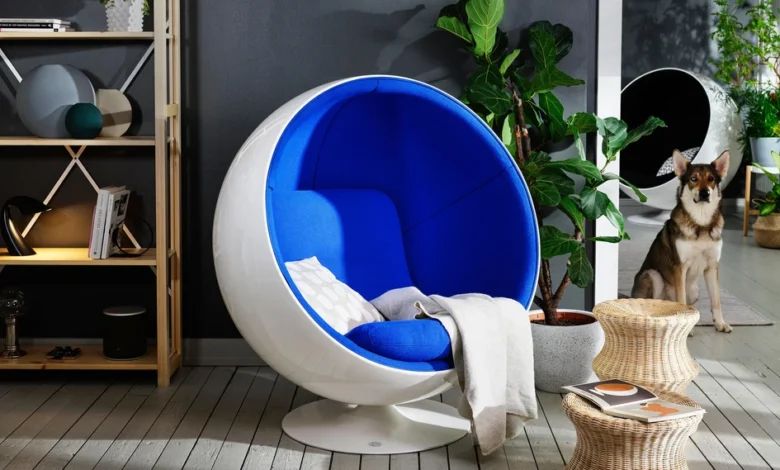
The egg chair is more than just a seating option—it’s a symbol of modern design and comfort. Known for its distinctive curved shape and enveloping structure, the egg chair has become a popular feature in homes, offices, and outdoor spaces alike. Its unique design offers both aesthetic appeal and functional comfort, making it a versatile piece of furniture that can enhance any environment. Over the years, the egg chair has evolved from a mid-century design icon into a contemporary staple suitable for diverse interiors and lifestyles.
The popularity of egg chair stems from their combination of style, ergonomics, and versatility. Whether used as a reading nook, a lounging spot, or a statement piece, the chair’s cocoon-like form provides support and relaxation. Modern designers have adapted the original concept with a variety of materials, colors, and sizes, ensuring there is an egg chair to suit every taste. Its appeal is further enhanced by the chair’s ability to blend seamlessly with multiple décor styles, from minimalist and industrial to bohemian and eclectic.
This comprehensive guide explores the history, types, benefits, and selection criteria for egg chairs. Additionally, we will provide maintenance tips to ensure longevity and aesthetic appeal. Whether you are a design enthusiast looking to invest in a statement piece or a practical buyer seeking comfort and durability, this guide will help you make informed decisions. By understanding the full spectrum of options, you can choose the perfect egg chair that meets both functional and aesthetic requirements.
History and Evolution of the Egg Chair
The egg chair was originally designed by Arne Jacobsen in 1958 for the lobby and reception areas of the Radisson SAS Hotel in Copenhagen. Its creation was part of a wave of mid-century modern furniture that emphasized organic forms, comfort, and innovative use of materials. Jacobsen’s vision was to provide a seating solution that offered privacy in public spaces while maintaining a sophisticated, stylish appearance. The iconic design, characterized by its high back, curved sides, and rounded silhouette, instantly became a symbol of elegance and modernity.
Over the years, the egg chair has undergone significant evolution. Modern adaptations have introduced new materials such as leather, rattan, fabric, and synthetic fibers, catering to changing lifestyles and aesthetic preferences. Designers have also expanded the chair’s functionality, introducing hanging versions for indoor and outdoor use and freestanding models for living rooms and offices. These variations maintain the essence of Jacobsen’s original design while meeting contemporary demands for comfort, durability, and versatility.
The egg chair’s influence extends beyond furniture design into pop culture and interior aesthetics. It has been featured in movies, television shows, and magazine spreads, solidifying its status as a design icon. Its cultural significance lies not only in its visual appeal but also in its ability to provide a private, comfortable retreat in public or shared spaces. Today, the egg chair is celebrated as both a functional seating solution and a timeless piece of art that continues to inspire designers worldwide.
Types and Styles of Egg Chairs
Egg chairs come in a variety of styles, each catering to specific needs and spaces. Hanging egg chairs are suspended from a frame or ceiling mount, creating a floating effect that is both visually striking and practical for relaxation. These chairs are ideal for patios, balconies, or indoor nooks where a sense of lightness and movement is desired. The suspension mechanism allows for gentle rocking, enhancing comfort and creating a playful yet sophisticated seating experience.
Standalone egg chairs, on the other hand, rest on a base and are designed for stability and indoor use. These chairs are suitable for living rooms, offices, and lounges, offering the same enveloping comfort without the need for mounting hardware. They come in a variety of designs, from sleek leather models to fabric-covered versions with plush cushions. Standalone chairs are easier to reposition and integrate into different spaces, making them a versatile option for homeowners.
Material choice is another key consideration. Leather egg chairs offer a luxurious feel and durability, while fabric chairs provide warmth and softness. Rattan or wicker versions are perfect for a natural, airy aesthetic, particularly in sunrooms or outdoor areas. Each material has its pros and cons, influencing comfort, maintenance, and longevity. Additionally, egg chairs are available in different sizes, including single-seater and larger models suitable for two people. Ergonomic considerations, such as back support and seat depth, are essential to ensure prolonged comfort.
Benefits of Egg Chairs
The egg chair offers numerous benefits that make it a popular choice for homeowners and designers. Comfort and relaxation are at the forefront. The chair’s enveloping shape supports the back, neck, and shoulders, making it ideal for reading, lounging, or even napping. The curved sides provide a sense of privacy and security, creating a personal retreat within a room or open space. Its ergonomic design reduces strain on the body, allowing users to relax for extended periods without discomfort.
Aesthetic appeal is another major advantage. Egg chairs add a touch of sophistication and modernity to any room. Their distinctive silhouette creates a visual focal point, making them suitable for contemporary, minimalist, and eclectic interiors alike. By choosing a color and material that complements the existing décor, homeowners can transform a simple corner into a stylish statement area that elevates the overall design of the space.
Egg chairs are also highly versatile. Hanging versions bring a playful and dynamic element to a room, while standalone chairs provide functional seating for everyday use. They are adaptable to both indoor and outdoor environments, from living rooms and offices to patios and sunrooms. The combination of comfort, style, and functionality ensures that an egg chair is not just a piece of furniture but a valuable addition that enhances lifestyle and interior design.
How to Choose the Perfect Egg Chair

Selecting the right egg chair involves careful consideration of space, materials, style, and budget. Assessing space and layout is critical; measuring the room and understanding its dimensions ensures the chair fits comfortably without overcrowding. Placement is also important for both functionality and visual impact. Corners, reading nooks, and near windows are popular choices that balance aesthetic appeal and usability.
Material and durability play a crucial role in the chair’s longevity. Leather is durable and easy to clean, making it ideal for high-traffic areas, while fabric chairs offer softer comfort for cozy interiors. Rattan and wicker are suitable for outdoor or semi-outdoor settings but require weather protection. Ergonomic considerations, including seat depth and back support, should align with user needs to maximize comfort.
Style and color selection ensures the chair complements existing décor. Neutral tones provide timeless elegance, while bold colors create a statement piece. Budget considerations are equally important. Designer models offer premium quality and iconic design, while affordable alternatives provide functional comfort at a lower price. Evaluating cost, durability, and style ensures a balanced investment that meets both aesthetic and practical goals.
Maintenance and Care Tips
Maintaining an egg chair prolongs its life and keeps it looking stylish. Cleaning different materials requires specific approaches: leather can be wiped with a damp cloth and conditioned, fabric can be vacuumed and spot-cleaned, and rattan requires dusting and occasional polishing. Regular maintenance prevents stains, scratches, and wear, keeping the chair in optimal condition.
Handling and safety are especially important for hanging chairs. Ensuring proper installation, observing weight limits, and checking suspension mechanisms regularly prevents accidents. Freestanding chairs should be checked for stability and loose components to maintain safety and comfort.
Longevity can be further enhanced by rotating cushions, using protective covers, and inspecting the chair for signs of wear. With consistent care, an egg chair can retain its comfort, style, and functional benefits for years, making it a lasting addition to any space.
Conclusion
The egg chair remains one of the most iconic and versatile pieces of furniture in modern interior design. Combining comfort, aesthetic appeal, and adaptability, it is suitable for a variety of spaces, from living rooms and offices to patios and lounges. By understanding the different types, materials, benefits, and selection criteria, buyers can make informed decisions that balance style, functionality, and budget. Whether as a statement piece or a cozy retreat, the egg chair continues to offer timeless elegance and practical comfort for homes in 2026 and beyond.
FAQs
What is an egg chair and who designed it?
The egg chair is a curved, enveloping chair designed by Arne Jacobsen in 1958.
What are the differences between hanging and standalone egg chairs?
Hanging chairs are suspended, offering a floating effect, while standalone chairs rest on a base and are more stable.
Which materials are best for indoor vs outdoor egg chairs?
Leather and fabric are ideal indoors, while rattan, wicker, or synthetic materials suit outdoor spaces.
How do I choose the right size for my space?
Measure the room, consider clearance for movement, and account for seating comfort.
Are egg chairs comfortable for long periods?
Yes, ergonomic designs support back, neck, and posture for extended use.
How do I clean and maintain an egg chair?
Use material-specific cleaning methods, inspect regularly, and protect cushions.
Can I use a hanging egg chair indoors safely?
Yes, if properly installed and weight limits are observed.
What are some affordable alternatives to designer egg chairs?
Many brands offer functional replicas in fabric, faux leather, or rattan at lower costs.
How do I match an egg chair with my home décor?
Consider color, material, and style to complement existing furniture and design themes.
What are the most popular brands of egg chairs in 2026?
Arne Jacobsen originals, IKEA, Christopher Knight Home, and Modway are highly popular choices.
You May Also Read: Sony FX3