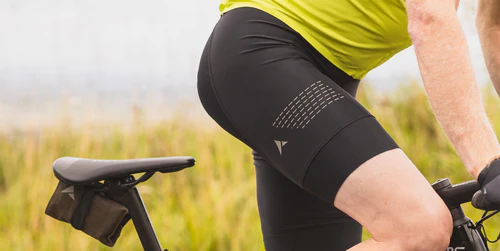
Cycling shorts are a critical piece of equipment for both casual and professional cyclists. Designed to enhance comfort, improve performance, and reduce fatigue, they have become an essential part of cycling gear. Unlike regular shorts, cycling shorts are specifically engineered with features like padding, stretchy fabrics, and ergonomic fits to meet the demands of long rides. Wearing the right cycling shorts can transform your experience, allowing you to ride longer distances with less discomfort and improved efficiency.
One of the primary benefits of cycling shorts is their ability to prevent chafing and skin irritation, a common problem for cyclists. The combination of a snug fit and specialized padding ensures that friction is minimized during pedaling. Additionally, modern cycling shorts often include moisture-wicking materials that help regulate temperature and keep the rider dry. These features are particularly beneficial for endurance cyclists who spend hours in the saddle and for those riding in varying weather conditions.
Cycling shorts are not just about functionality; they also contribute to performance and style. Professional cyclists rely on compression fabrics to enhance blood flow and support muscle groups, while casual riders enjoy the convenience and comfort of easy-to-wear designs. From road racing to mountain biking and everyday commuting, cycling shorts have evolved to cater to a wide range of cycling disciplines, making them an indispensable item for anyone serious about riding.
History and Evolution of Cycling Shorts
The concept of cycling shorts dates back to the early 20th century when cyclists sought clothing that would improve comfort during long rides. Early designs were simple and often uncomfortable, lacking padding and stretch, which led to chafing and fatigue. Over time, the demand for specialized cycling apparel grew, especially with the rise of competitive cycling and multi-stage races like the Tour de France. These events pushed manufacturers to innovate, introducing the first padded shorts that would provide riders with enhanced comfort on long-distance rides.
Technological advancements in fabric and design further transformed cycling shorts. Stretchable synthetic materials replaced heavy cotton, offering better aerodynamics, moisture control, and a closer fit. Padding, or chamois, became more sophisticated, evolving from basic leather inserts to high-density foam and gel designs that could reduce pressure and absorb shock. These innovations made cycling shorts accessible to recreational riders while meeting the high-performance demands of professional cyclists.
In recent years, cycling shorts have become more versatile, combining style, comfort, and function. Manufacturers have integrated features like breathable mesh panels, reflective elements, and seamless designs to cater to both road and mountain biking. Modern cycling shorts are no longer just functional; they reflect personal style while offering cutting-edge technology. This evolution demonstrates how the cycling community’s needs have shaped gear that prioritizes both performance and comfort.
Types of Cycling Shorts
Cycling shorts are available in several types, each tailored to specific riding styles. Road cycling shorts are designed for speed and aerodynamics. They are form-fitting, often made from Lycra or similar stretch fabrics, and include padding for long-distance comfort. These shorts are ideal for riders who prioritize performance and efficiency on smooth pavements.
Mountain biking shorts differ from road cycling’shorts in their focus on durability and flexibility. They are usually looser, offering freedom of movement to navigate rough terrain and absorb shocks. While many mountain biking shorts include padding, it is generally less pronounced than in road shorts to allow for better mobility.
A major distinction in cycling shorts is between bib shorts and regular shorts. Bib shorts feature shoulder straps to hold them in place, eliminating the need for a waistband and reducing pressure on the stomach. Regular cycling’shorts, on the other hand, rely on elastic waistbands and can be more convenient for casual riders or those new to cycling.
Additionally, casual or commuter cycling shorts provide a compromise between comfort and style. These are suitable for city riding or short-distance commuting, often blending cycling technology with everyday clothing aesthetics. Understanding the types of cycling’shorts helps riders select the best pair for their specific needs, ensuring optimal comfort and performance.
Key Features of Cycling Shorts
The standout feature of cycling shorts is padding, or chamois, which reduces pressure on the saddle area and prevents chafing. Chamois thickness, shape, and material vary depending on the type of cycling and duration of rides. High-density foam or gel inserts provide comfort during long-distance road rides, while lighter padding is suitable for shorter trips or mountain biking.
Fabric is another critical component. Breathable and moisture-wicking materials keep the rider dry, reduce friction, and regulate temperature. Stretch fabrics like Lycra or spandex ensure a snug fit, promoting aerodynamics and muscle support without restricting movement. Some shorts include mesh panels to improve ventilation during hot weather.
The fit and sizing of cycling’shorts are crucial to performance. Ill-fitting shorts can cause discomfort, restrict circulation, and lead to chafing. Most brands provide detailed sizing charts, and trying shorts on before purchasing is recommended. Ergonomic designs that contour to the body enhance comfort, especially during long rides.
Design features like pockets, reflective elements, and seam placement also contribute to convenience and safety. Pockets allow storage of small essentials, while reflective accents improve visibility in low-light conditions. Seamless or flatlock stitching minimizes skin irritation, demonstrating how thoughtful design elevates the functionality of cycling shorts.
Choosing the Right Cycling Shorts
Selecting the right cycling’shorts depends on several factors: riding style, terrain, distance, and climate. Road cyclists may prioritize aerodynamics and longer padding, whereas mountain bikers focus on durability and freedom of movement. Casual riders often value comfort and style for shorter commutes. Assessing your riding needs ensures you select a pair that meets both performance and comfort criteria.
Testing shorts before long rides is essential. Check for pressure points, chafing, and mobility while sitting and pedaling. Remember that quality cycling’shorts should feel snug but not restrictive. Reading reviews, consulting cycling communities, and trying multiple brands can help identify shorts that offer the best balance of comfort, performance, and durability.
For first-time buyers, investing in mid-range shorts with proven features is recommended. Avoid extremely cheap options that compromise on padding or fabric quality, as they can lead to discomfort. Choosing the right pair ensures a more enjoyable riding experience, whether you’re a casual commuter or a competitive cyclist.
Care and Maintenance of Cycling Shorts

Proper care of cycling shorts prolongs their lifespan and maintains performance. Washing in cold water with mild detergent is recommended, avoiding fabric softeners that can damage elasticity. Turning shorts inside out and air-drying helps preserve the fabric and padding.
Storage should be dry and away from direct sunlight, as heat and UV exposure can degrade materials over time. Inspect shorts regularly for signs of wear, such as thinning padding, stretched fabric, or damaged seams. Replacing shorts before they lose their effectiveness ensures continued comfort and protection during rides.
Benefits of Wearing Cycling Shorts
Cycling shorts offer numerous benefits. They reduce chafing, irritation, and saddle sores, making longer rides more comfortable. Compression and ergonomic designs support muscles and improve blood circulation, enhancing overall performance. Moisture-wicking fabrics keep riders dry, while aerodynamic fits contribute to efficiency.
The combination of comfort, protection, and performance makes cycling’shorts a worthwhile investment. They allow cyclists to ride further, faster, and with less discomfort, demonstrating that the right gear is key to a positive cycling experience.
Common Mistakes to Avoid
Many cyclists make mistakes that reduce the benefits of their shorts. Wearing the wrong size or style can cause chafing or restrict movement. Neglecting proper washing and care may degrade fabric and padding, reducing lifespan. Ignoring padding or fit leads to discomfort and potential injury, especially on longer rides. Avoiding these pitfalls ensures maximum enjoyment and efficiency from your cycling gear.
Cycling Shorts for Different Seasons
Seasonal considerations are important. Summer cycling’shorts are lightweight, breathable, and designed to keep you cool. Winter shorts or insulated versions provide warmth and wind protection. Layering with tights or thermal liners is common for colder months, while ventilated fabrics are ideal for hot weather. Selecting season-appropriate shorts enhances comfort and safety throughout the year.
Conclusion
Cycling shorts are essential for anyone serious about cycling, whether for performance, comfort, or style. From their historical origins to modern innovations, these shorts have evolved to meet the demands of every type of rider. Proper selection, fit, and care ensure maximum benefit, making cycling more enjoyable and efficient.
Investing in quality cycling shorts is more than a convenience—it’s a performance enhancer. Whether you’re a competitive road cyclist, mountain biker, or casual commuter, the right shorts can transform your experience, keeping you comfortable, protected, and confident in every ride.
Frequently Asked Questions (FAQs)
What are cycling shorts and why are they important?
Cycling shorts are specialized shorts designed to reduce chafing, provide padding, and enhance comfort for cyclists.
What is the difference between bib shorts and regular cycling shorts?
Bib shorts have shoulder straps for a secure fit without a waistband, while regular shorts rely on an elastic waistband.
How do I choose the right size of cycling shorts?
Check sizing charts, try on multiple brands, and ensure a snug fit that is not restrictive.
Can I wear cycling shorts for casual biking?
Yes, casual or commuter cycling shorts are designed for short rides while offering comfort and style.
How do I prevent chafing while wearing cycling shorts?
Choose the right size, ensure padding is adequate, and apply anti-chafing cream if needed.
How should I wash and care for cycling shorts?
Use cold water, mild detergent, avoid fabric softeners, and air-dry to maintain elasticity.
How often should cycling shorts be replaced?
Replace them when padding is worn out, fabric stretches, or seams start to break down.
Are padded cycling shorts necessary for short rides?
For short rides, padding is optional, but it enhances comfort even on brief cycling trips.
What are the best cycling shorts for hot weather?
Lightweight, breathable, and moisture-wicking shorts with ventilation panels are ideal for summer.
Can women and men use the same type of cycling shorts?
While unisex shorts exist, women-specific designs often provide better anatomical fit and comfort.
You May Also Read: Sunday Roast