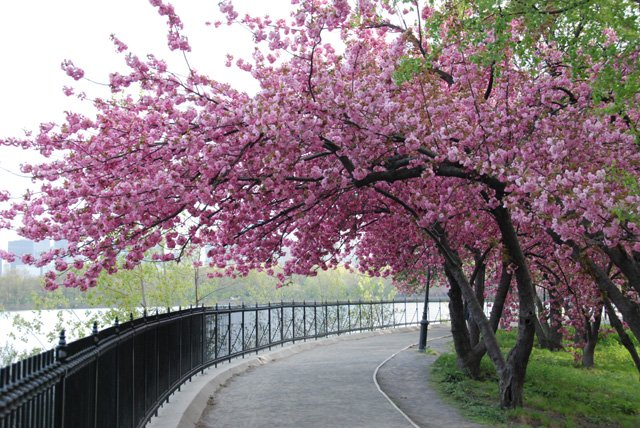
The cherry blossom tree is one of the most iconic and visually stunning trees in the world, celebrated for its delicate flowers, vibrant colors, and fleeting beauty. Often associated with spring, renewal, and the impermanence of life, these trees hold deep cultural significance in countries such as Japan, Korea, and China. In recent decades, their popularity has spread globally, adorning public parks, private gardens, and even urban landscapes. The appeal of cherry blossom tree lies not only in their ornamental beauty but also in their symbolic presence, representing hope, new beginnings, and the passage of time.
Beyond aesthetics, cherry blossom trees play an important role in connecting people with nature. The brief blooming season encourages outdoor gatherings, festivals, and personal reflection. They have inspired countless works of art, literature, and photography, making them cultural icons around the world. For gardeners and nature enthusiasts, cherry blossom trees offer the unique opportunity to combine horticulture with artistry. Choosing the right species, planting them thoughtfully, and maintaining proper care ensures a long-lasting and visually rewarding experience. In this guide, we will explore the history, symbolism, planting techniques, care instructions, and creative ways to enjoy cherry blossom trees, equipping readers with the knowledge to successfully cultivate and appreciate these captivating trees.
History and Symbolism of Cherry Blossom Trees
Cultural Significance
Cherry blossom trees, known as sakura in Japanese, have profound cultural significance, especially in Japan, where they are celebrated during the Hanami festival. Hanami, which literally means “flower viewing,” involves gathering under blooming cherry trees with friends and family to appreciate their fleeting beauty. The blossoms symbolize the transient nature of life, reminding people to cherish each moment. Beyond Japan, cherry blossoms have been incorporated into art, literature, and ceremonies in Korea, China, and other countries, often symbolizing purity, beauty, and renewal.
The symbolic importance of cherry blossoms extends to modern times. They are frequently used in design, fashion, and tattoos, representing personal growth, resilience, and fleeting beauty. Their presence in cityscapes and gardens inspires mindfulness, creating spaces for relaxation and reflection. Celebrating cherry blossoms through photography, paintings, or cultural events allows people to connect with both nature and history, highlighting their timeless appeal.
Historical Overview
The origins of cherry blossom trees trace back centuries, with native species found across East Asia. Cultivation began in Japan, where selective breeding produced ornamental varieties prized for their abundant, vibrant blooms. Over time, these trees spread to other countries, including the United States and parts of Europe, often gifted as symbols of friendship or diplomacy. Famous cherry blossom locations, such as Washington D.C.’s Tidal Basin and Kyoto’s Philosopher’s Path, attract millions of visitors each year, showcasing the trees’ enduring popularity.
Historical accounts indicate that cherry blossoms were not only admired for their beauty but also integrated into cultural traditions and social rituals. From ceremonial plantings to poetic inspiration, these trees have long represented a harmonious blend of nature and human experience. Understanding this history enriches the appreciation of cherry blossom trees and underscores their significance beyond mere decoration.
Planting and Growing Cherry Blossom Trees
Choosing the Right Variety
Selecting the right cherry blossom tree variety is crucial for a successful planting. Popular types include the Yoshino cherry, known for its white-pink blooms and graceful branches; the Kwanzan cherry, which produces large double-petaled pink flowers; and the Weeping cherry, offering cascading blooms for dramatic effect. Each variety has unique growth patterns, bloom times, and care requirements, making it important to match the tree to your climate, garden space, and aesthetic goals.
Factors such as soil type, sunlight exposure, and local climate should guide your selection. Some varieties thrive in temperate climates with moderate rainfall, while others tolerate colder regions. Choosing a species suited to your environment ensures stronger growth, more prolific flowering, and reduced risk of disease or pest infestations. Consulting with local nurseries or horticultural experts can provide additional guidance on selecting the ideal cherry blossom tree for your specific location.
Ideal Planting Conditions
Proper planting conditions play a significant role in the health and longevity of cherry blossom trees. These trees generally prefer well-drained soil with a slightly acidic to neutral pH and full sunlight for at least six hours daily. The ideal planting season is during early spring or autumn, when temperatures are moderate and soil conditions support root establishment.
Spacing is important to allow for air circulation and prevent overcrowding, which can lead to fungal infections. Companion plants such as low-growing shrubs or perennials enhance the aesthetic appeal while supporting soil health. Additionally, mulching around the base helps retain moisture, regulate soil temperature, and reduce weed growth. Careful site preparation and thoughtful landscaping contribute to a thriving and visually stunning cherry blossom tree.
Caring for Cherry Blossom Trees
Watering, Fertilizing, and Pruning
Cherry blossom trees require consistent care to ensure vibrant blooms and healthy growth. Watering is essential, particularly during dry periods or when the tree is young. Deep watering encourages strong root development and helps the tree withstand seasonal stress. Mature trees are more resilient but still benefit from supplemental watering during droughts.
Fertilizing supports healthy foliage and abundant flowers. Use a balanced, slow-release fertilizer formulated for flowering trees, applied according to the manufacturer’s instructions. Pruning is also crucial to maintain shape, remove dead or diseased branches, and encourage airflow. Prune immediately after the flowering season to avoid cutting off buds for the next year’s blooms. Proper maintenance enhances both the longevity and the visual appeal of cherry blossom trees.
Common Problems and Solutions
Despite their beauty, cherry blossom trees can encounter challenges such as pests, diseases, or environmental stress. Common issues include aphid infestations, fungal infections like powdery mildew, and leaf spotting. Regular inspections and preventive measures, such as proper watering, mulching, and pruning, help minimize these problems.
If pests or diseases occur, treatments may include insecticidal sprays, fungicides, or natural remedies like neem oil. Maintaining healthy soil, avoiding overcrowding, and selecting disease-resistant varieties also contribute to overall resilience. By monitoring tree health and responding promptly to issues, gardeners can enjoy a thriving cherry blossom tree year after year.
Enjoying Cherry Blossom Trees
Seasonal Viewing Tips
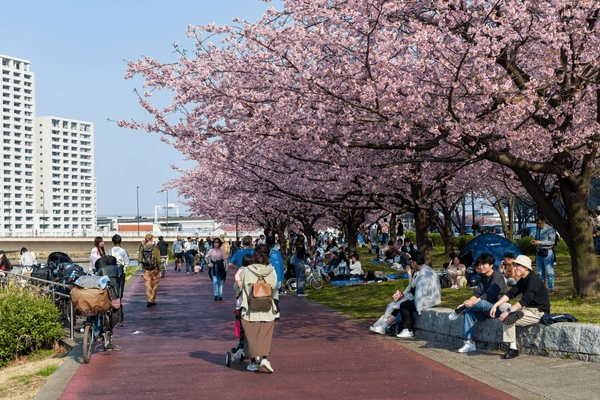
Cherry blossoms are best enjoyed during their short peak bloom period, which varies depending on the variety and climate. Typically, blooms last between one and two weeks, making timing critical for photography, festivals, and garden enjoyment. Plan visits or celebrations around predicted bloom dates to witness the tree in full splendor.
Enhancing the viewing experience can include arranging picnic spots, decorating garden areas, or capturing photographs for personal or social sharing. Creating a space that encourages relaxation and contemplation allows you to fully appreciate the delicate beauty and symbolic meaning of cherry blossoms.
Landscaping and Decorative Uses
Cherry blossom trees offer versatile landscaping opportunities. They can serve as focal points in gardens, lining pathways, or framing entrances for dramatic visual impact. Weeping varieties and bonsai adaptations provide alternative ways to showcase their elegance in small or urban spaces.
Incorporating cherry blossom trees into themed gardens, parks, or patios enhances both aesthetic appeal and seasonal interest. They create peaceful, ornamental spaces for reflection, social gatherings, or quiet contemplation. Whether planted singly or in groups, cherry blossoms elevate any outdoor environment with their fleeting, enchanting beauty.
Conclusion
Cherry blossom trees are more than ornamental plants; they are symbols of beauty, renewal, and the transient nature of life. By understanding their history, selecting the right varieties, planting thoughtfully, and providing consistent care, gardeners can enjoy years of stunning blooms and seasonal delight. Whether in large landscapes, small gardens, or urban settings, cherry blossom trees offer an enduring connection to nature and culture.
Embracing these trees enhances both aesthetic appeal and personal well-being, providing opportunities for outdoor enjoyment, cultural appreciation, and artistic inspiration. With the right planning and care, cherry blossom trees can transform ordinary spaces into extraordinary displays of color, grace, and seasonal wonder.
FAQs
How long does it take for a cherry blossom tree to bloom?
Most trees bloom within 3 to 7 years after planting, depending on the variety.
What is the best time of year to plant a cherry blossom tree?
Early spring or autumn is ideal for planting and establishing roots.
How often should I water a cherry blossom tree?
Young trees require regular deep watering; mature trees need supplemental watering during dry spells.
Can cherry blossom trees grow in small gardens?
Yes, dwarf or weeping varieties are suitable for limited spaces or container planting.
How do I prevent pests and diseases on cherry blossom trees?
Regular inspections, pruning, proper watering, and disease-resistant varieties help prevent problems.
What are the most popular types of cherry blossom trees?
Yoshino, Kwanzan, and Weeping Cherry are among the most widely grown varieties.
How long do cherry blossoms last once they bloom?
Blooms typically last 1 to 2 weeks, depending on weather conditions.
Can cherry blossom trees survive in cold climates?
Yes, many varieties are hardy, but protection may be needed for extreme winters.
Is pruning necessary for cherry blossom trees?
Pruning is recommended to maintain shape, encourage blooms, and remove damaged branches.
How can I propagate a cherry blossom tree from seeds or cuttings?
Propagation can be done via seeds or semi-hardwood cuttings, though patience and care are required for successful growth.
You May Also Read: Premier inn brighton