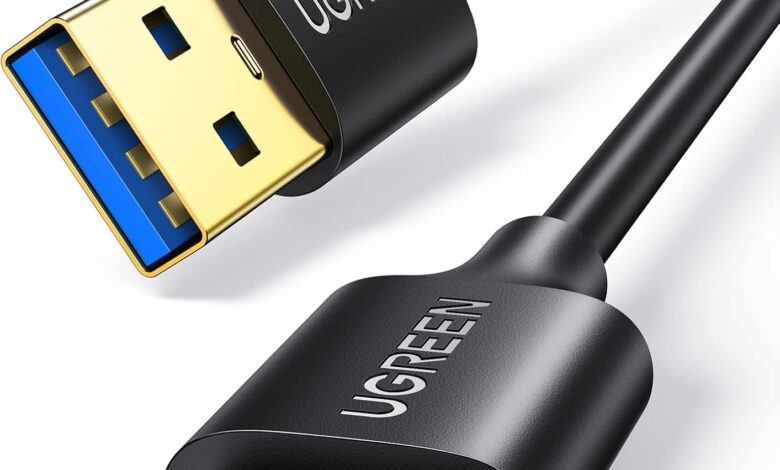
An external cable is a cable designed specifically to work in outdoor environments where ordinary indoor cables may not provide enough protection. Outdoor conditions can be challenging because cables are exposed to sunlight, rain, moisture, temperature changes, dust, and physical damage. Unlike standard indoor cables, external cables are manufactured with stronger protective materials that help maintain performance and reliability when installed outside buildings, gardens, commercial areas, or industrial locations.
Choosing the correct external cable is important because using the wrong type can lead to problems such as signal loss, cable deterioration, connection failures, or safety risks. For example, an indoor Ethernet cable placed outside may become damaged due to UV exposure and moisture, while an unsuitable power cable may not safely handle outdoor electrical demands. The correct cable depends on where it will be installed, what equipment it will support, and the environmental conditions it needs to withstand.
Today, external cable are used in many residential and commercial applications. Homeowners use them for garden offices, outdoor lighting, CCTV cameras, internet extensions, and entertainment systems. Businesses rely on outdoor cables for security systems, network connections, construction projects, and industrial equipment. As outdoor technology becomes more common, choosing a durable and suitable cable has become an essential part of modern installations.
A good external cable is not simply a stronger version of an indoor cable; it is engineered for a different purpose. The outer jacket, insulation, shielding, and construction methods are designed to protect internal components from environmental stress. Understanding these differences helps users select a cable that provides better performance and longer service life.
Types of External Cables for Different Outdoor Applications
External cables are available in various forms because different outdoor projects require different levels of protection and performance. The best choice depends on whether the cable is being used for electrical power, internet connectivity, CCTV systems, or specialised outdoor equipment. Selecting the correct type before installation can prevent performance problems and unnecessary replacement costs.
Outdoor Ethernet cables are among the most popular external cable options because they allow reliable internet and network connections in outdoor spaces. External Cat5e, Cat6, and Cat6a cables are commonly used for garden offices, security cameras, outdoor Wi-Fi access points, and commercial networking systems. These cables usually include UV-resistant and moisture-resistant jackets that protect the internal wires from outdoor conditions.
External power cables are designed to safely transfer electricity to outdoor areas such as gardens, garages, sheds, workshops, and external lighting systems. These cables require strong insulation and suitable protection because electrical safety is especially important in outdoor environments. Depending on the project, users may need standard outdoor-rated cables or stronger armoured solutions.
Armoured external cables provide additional protection against physical damage. They are often used for underground installations, industrial environments, and areas where cables may face pressure, impact, or interference from animals. The protective layer makes them suitable for demanding applications where standard outdoor cables may not provide enough durability.
Outdoor Ethernet Cable: Choosing Between Cat5e, Cat6 and Cat6a
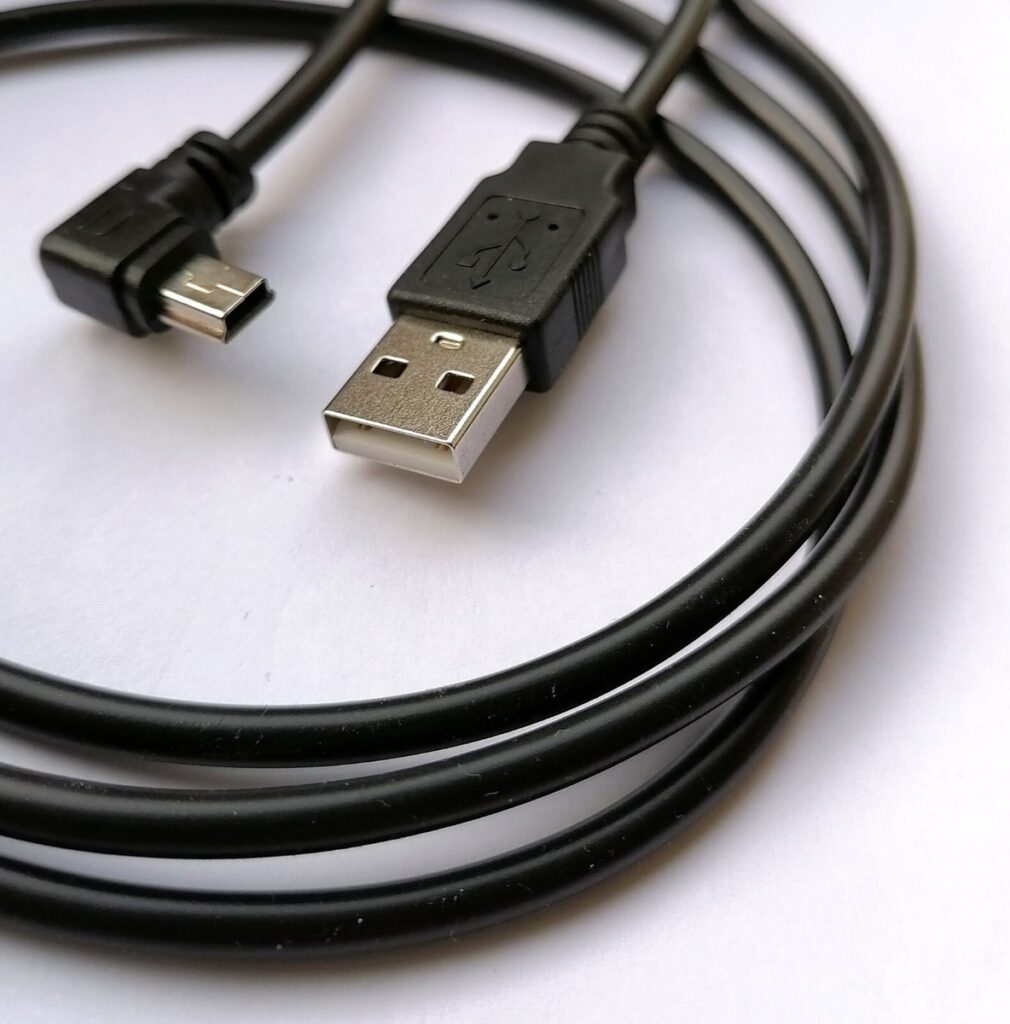
Outdoor Ethernet cables are designed to extend network connections beyond indoor spaces while maintaining stable data transmission. They are commonly used for connecting CCTV cameras, garden offices, outdoor computers, Wi-Fi access points, and smart home devices. The correct cable category depends on the required speed, distance, and installation environment.
Cat5e external cables are suitable for many basic networking requirements. They can support everyday internet activities and are often used for standard CCTV systems, home networking extensions, and smaller outdoor installations. For users who need reliable connectivity without extremely high bandwidth requirements, Cat5e can be a practical option.
Cat6 external cables provide better performance and are commonly chosen for modern networking projects. They support higher data speeds and are suitable for applications that require stronger network performance, such as high-resolution security cameras, outdoor offices, and larger home networks. Their improved design helps reduce interference and maintain better signal quality over longer distances.
Cat6a external cables are designed for more demanding networking environments where higher performance is required. They are often used in commercial settings, advanced security systems, and installations where future network upgrades are expected. Although they may cost more, they can provide additional capacity for users who need a long-term networking solution.
When installing an outdoor Ethernet cable, users should consider whether the cable will be exposed directly to weather conditions or placed inside protective conduit. Direct burial-rated cables are required for underground installations, while surface installations may need additional protection depending on the environment.
External Power Cables and Armoured Cable Options
External power cables are essential for safely supplying electricity to outdoor areas. They are commonly used for garden lighting, outdoor sockets, garages, workshops, and other external electrical requirements. Because outdoor environments expose cables to changing weather conditions, choosing a cable with suitable protection is necessary for safety and reliability.
The correct external power cable depends on the amount of power required and the installation location. Factors such as cable length, electrical load, and whether the cable will be above ground or underground should be considered before purchase. Using an incorrectly rated cable can reduce performance and may create safety concerns.
Armoured external cables are often selected for projects where additional protection is needed. Their reinforced construction helps protect against mechanical damage, making them suitable for underground installations, commercial properties, and areas where cables may experience physical stress. They are especially useful when long-term durability is a priority.
For outdoor electrical installations, correct installation methods are just as important as choosing the right cable. Connections should be properly protected from moisture, cables should be installed according to safety requirements, and professional advice may be needed for complex electrical work. A quality cable combined with correct installation provides better reliability.
How to Choose the Right External Cable for Your Project
Choosing the right external cable starts with understanding the purpose of the installation. A cable required for outdoor internet connectivity will have different specifications compared with one used for electrical power or heavy-duty industrial equipment. Identifying the main purpose helps narrow down the available options and prevents selecting an unsuitable product.
Environmental conditions should also influence your decision. Outdoor cables exposed to direct sunlight should have UV-resistant protection, while cables installed in wet areas need strong moisture resistance. Underground cables require additional protection against soil pressure, movement, and potential physical damage. Considering the installation environment helps improve cable lifespan.
Cable specifications are another important factor. Buyers should check details such as cable category, shielding, insulation quality, weather resistance, and whether the product is suitable for the intended application. For networking cables, speed requirements and transmission distance matter, while power cables require attention to electrical capacity and safety ratings.
Price should not be the only consideration when purchasing an external cable. Cheaper cables may appear attractive but can become expensive if they fail early due to poor protection or unsuitable materials. Investing in a reliable cable that matches the project requirements often provides better value over time.
Important External Cable Features to Check Before Buying
Before buying an external cable, it is important to understand the features that determine quality and performance. The outer jacket is one of the most important components because it protects the internal conductors from environmental damage. Materials designed for outdoor use usually provide better resistance against sunlight, moisture, and temperature changes.
UV resistance is especially important for cables installed in exposed outdoor locations. Continuous sunlight can weaken ordinary cable coverings over time, causing cracks and reducing protection. A UV-resistant external cable is better suited for areas where direct sunlight exposure is expected.
Water and moisture protection are also essential considerations. Outdoor cables should have suitable insulation to reduce the risk of water reaching internal components. For areas with high moisture exposure, waterproof connectors and protective installation methods can further improve reliability.
Shielding is another factor that may affect performance, especially for network cables. Shielded external Ethernet cables can help reduce interference from nearby electrical equipment, improving signal quality in challenging environments. Understanding these features allows buyers to select a cable that meets their specific needs.
External Cable Installation and Maintenance Best Practices
Proper installation is essential for achieving the best performance from an external cable. Even a high-quality cable may experience problems if it is installed incorrectly. Cables should be positioned carefully, protected from unnecessary stress, and installed using suitable methods for the environment.
For underground installations, users should select cables designed for burial and consider additional protection where required. Protective conduits can help reduce damage caused by soil movement, gardening activities, or accidental impact. Surface-mounted cables should also be secured properly to prevent movement caused by wind or weather exposure.
Waterproof connections are important for outdoor cable systems. Cable joints, connectors, and entry points should be properly sealed to prevent moisture from entering. Water damage is one of the most common reasons outdoor cable installations fail, so protecting connection points is essential.
Regular maintenance can extend the lifespan of external cables. Users should inspect cables for visible damage, cracks, exposed sections, or loose connections. Addressing problems early can help prevent larger failures and maintain reliable performance.
Common Mistakes When Using External Cables
One of the most common mistakes is installing indoor cables outdoors. Indoor cables are not designed to withstand continuous exposure to sunlight, rain, and temperature changes. Although they may work temporarily, they can deteriorate quickly and create reliability problems.
Another mistake is choosing a cable based only on price. A cheaper option may not provide the required protection or performance for the installation environment. Selecting a cable that matches the project requirements is usually more cost-effective in the long term.
Incorrect installation is another major issue. Poorly protected joints, unsuitable mounting methods, and ignoring environmental factors can reduce cable lifespan. Proper planning before installation helps prevent these problems and improves overall system reliability.
Many users also fail to consider future needs. For example, a network installation may require higher speeds in the future, or an outdoor area may need additional devices later. Choosing a suitable external cable from the beginning can make future upgrades easier.
Benefits of Using a Quality External Cable
A quality external cable provides better reliability, safety, and long-term performance compared with unsuitable alternatives. Outdoor environments can be unpredictable, and cables need to withstand conditions that indoor products cannot handle. Using the correct cable reduces the risk of failures and improves the overall efficiency of outdoor systems.
Durability is one of the biggest advantages of external cables. Their protective construction helps them handle sunlight, moisture, temperature changes, and physical stress. This makes them suitable for a wide range of applications, from home gardens to commercial installations.
External cables also provide better safety because they are designed according to specific outdoor requirements. Using the correct cable reduces risks associated with damaged insulation, failed connections, and environmental exposure.
Whether you need outdoor internet, CCTV connectivity, garden power, or industrial wiring, choosing the right external cable creates a stronger foundation for your installation. A suitable cable combined with proper installation practices delivers dependable performance for years.
Conclusion
External cables play an important role in modern outdoor installations by providing reliable power and connectivity in challenging environments. From outdoor Ethernet cables for internet and CCTV systems to armoured cables for demanding applications, each type is designed to solve specific installation needs.
Choosing the correct external cable requires understanding the application, environmental conditions, technical specifications, and installation requirements. By selecting a durable, weather-resistant cable and following proper installation practices, homeowners and professionals can create safer and more reliable outdoor systems.
Frequently Asked Questions About External Cables
What is an external cable used for?
External cables are used for outdoor power, internet connections, CCTV systems, garden lighting, and other installations exposed to weather conditions.
Can I use an indoor cable outside?
Indoor cables are not recommended for outdoor use because they usually lack protection against UV rays, moisture, and temperature changes.
Which external Ethernet cable is best for outdoor use?
Outdoor-rated Cat5e, Cat6, and Cat6a cables are commonly used, with Cat6 being a popular choice for higher-performance networking.
What is the difference between Cat5e and Cat6 external cables?
Cat6 external cables generally provide higher performance and better support for demanding network applications compared with Cat5e.
Can external cables be buried underground?
Only cables specifically designed for underground use, such as direct burial or armoured cables, should be installed below ground.
Do external cables need waterproof protection?
Yes, outdoor cables require suitable moisture protection, and connections should be properly sealed to prevent water damage.
Are armoured cables better for outdoor installations?
Armoured cables provide additional physical protection and are useful for underground, industrial, or high-risk installation environments.
How do I choose the right external cable?
Consider the cable purpose, installation location, weather exposure, required performance, and safety specifications before making a purchase.
You May Also Read: Dandys Farm