Baby toys are more than just colorful objects or cute stuffed animals—they are essential tools that support a child’s growth and development from the earliest months of life. Play is a critical component of learning, allowing babies to explore their environment, develop motor skills, and build cognitive abilities. Through engaging with different types of toys, babies learn to recognize shapes, colors, sounds, and textures, laying the foundation for future learning and social interaction.
The role of Baby Toys development is multifaceted. They help stimulate curiosity and imagination, support fine and gross motor skills, and encourage emotional bonding with caregivers. Well-chosen toys can also serve educational purposes, teaching early concepts like numbers, letters, and problem-solving skills. Parents often wonder how to navigate the overwhelming array of options available, from plush toys and rattles to interactive and educational gadgets designed for infants and toddlers.
This guide provides a comprehensive overview of baby toys, including types, benefits, safety tips, and recommendations for age-appropriate play. It aims to help parents make informed decisions while fostering a safe and stimulating play environment. By understanding the importance of toys and how to select them wisely, parents can ensure their children enjoy playtime while developing critical skills that will last a lifetime.
Types of Baby Toys
Choosing the right type of toy is essential for a child’s development. Soft toys and plushies, for example, offer comfort and security. Many newborns respond positively to cuddly stuffed animals, which provide tactile stimulation and a sense of familiarity. Plush toys with varied textures, colors, or gentle sounds can help babies explore sensory differences while offering emotional support, making them excellent companions for naps or quiet time.
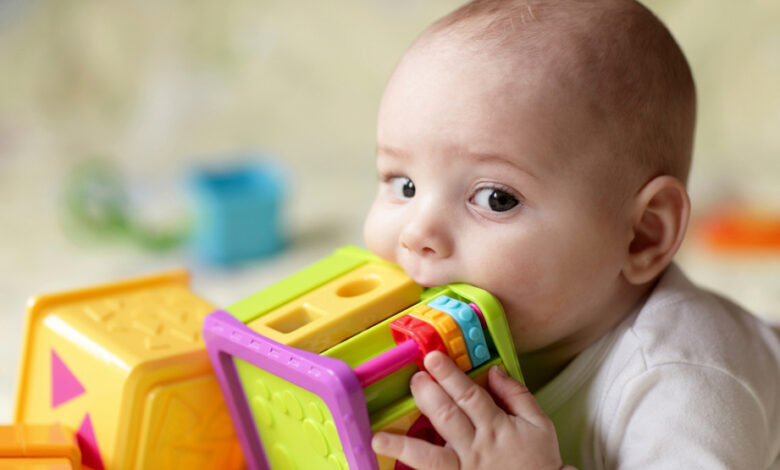
Rattles and teething toys are another popular category, particularly for infants aged three to twelve months. These toys enhance fine motor skills and hand-eye coordination, while teething toys provide relief for sore gums. They often come in brightly colored, lightweight designs that encourage babies to grasp, shake, and interact, promoting both cognitive and sensory development. Choosing BPA-free, non-toxic materials ensures these toys are safe for young children.
Interactive and educational toys are ideal for older infants and toddlers. Toys that teach colors, shapes, numbers, and letters can engage a Baby Toys curiosity while laying a foundation for early learning. Examples include stacking rings, shape sorters, and activity cubes, which combine fun with problem-solving practice. These toys encourage experimentation, persistence, and independent exploration, making them valuable tools for early childhood education.
Finally, musical and sensory toys play a significant role in auditory and tactile development. Toys that produce gentle sounds, music, or varying textures help babies distinguish different stimuli and support sensory integration. From piano mats to textured balls, these toys enhance coordination, rhythm, and attention span. By offering a mix of these toy types, parents can create a balanced play environment that fosters comprehensive growth.
Choosing the Right Baby Toys
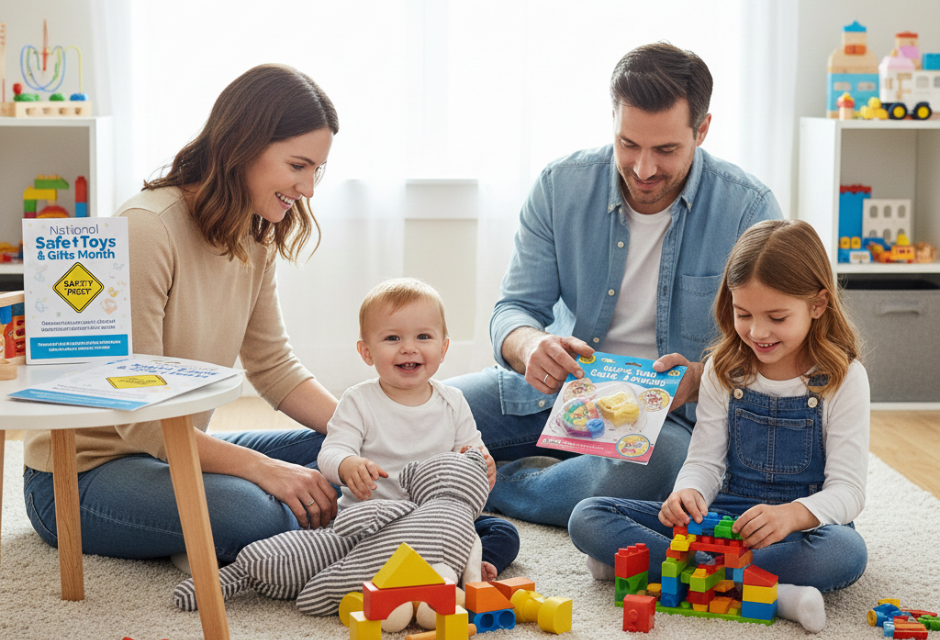
Selecting the right toys for a baby requires careful consideration of age, safety, educational value, and durability. Age-appropriate selection is critical; toys designed for newborns differ vastly from those for toddlers. For instance, soft plushies and rattles suit infants under six months, while shape sorters and interactive toys are better for 12–36 months. Matching toys to developmental stages ensures babies engage safely while acquiring skills suited to their current abilities.
Safety considerations are paramount when selecting toys. Parents should prioritize non-toxic, BPA-free materials and avoid small parts that could pose choking hazards. Labels indicating compliance with recognized safety standards provide additional assurance. Regularly inspecting toys for broken pieces or wear and tear is essential to prevent accidents.
The educational value of a toy is also important. Toys that encourage problem-solving, sensory exploration, or motor skill development can enhance a Baby Toys growth. Montessori-inspired or STEM-oriented toys are particularly effective for promoting cognitive skills, creativity, and independent learning. Educational toys help children learn while having fun, transforming playtime into a productive developmental activity.
Lastly, budget and durability should be considered. Parents can balance affordability with quality by choosing toys built to last. Durable toys withstand repeated use and provide long-term value, while cheap or fragile toys may break easily, posing safety risks. Thoughtful toy selection ensures that babies gain both enjoyment and developmental benefits.
Benefits of Baby Toys
Baby toys provide a wide range of developmental benefits, spanning physical, cognitive, and emotional growth. Physical development is one of the most immediate benefits. Grasping, shaking, stacking, and rolling toys help develop fine motor skills, while activities like crawling toward toys or pushing objects encourage gross motor growth. Active play also promotes coordination, strength, and balance, helping babies build essential physical skills in a safe and engaging way.
Cognitive development is another critical advantage. Educational toys introduce babies to basic concepts such as shapes, colors, numbers, and letters. Puzzles, stacking blocks, and shape sorters teach problem-solving, sequencing, and critical thinking. Interactive toys with lights or sounds enhance memory, attention, and sensory awareness. Cognitive benefits gained from play not only boost academic readiness but also foster curiosity and independent learning habits.
Emotional and social development is nurtured through shared play. Toys can encourage bonding between parent and child, promoting trust and secure attachment. They also help children learn empathy, cooperation, and social interaction when playing with siblings or peers. Role-playing toys, like dolls or miniature household sets, support imagination and emotional expression, providing opportunities for babies to explore feelings and relationships safely.
Overall, baby toys are more than entertainment—they are crucial developmental tools that contribute to a child’s holistic growth. By offering a variety of toys suited to age and skill level, parents can ensure their child enjoys fun, safe, and enriching play experiences.
Tips for Parents
Creating an effective play environment requires thoughtful organization and maintenance. Organizing playtime includes setting up a safe, comfortable, and stimulating space where babies can freely explore. Balancing structured play with free exploration ensures babies gain skills while having fun. Rotating toys regularly can maintain interest and encourage exploration of different developmental skills.
Cleaning and maintenance are essential for hygiene and safety. Babies often put toys in their mouths, making regular washing crucial. Soft toys can be machine washed, while plastic toys may be sanitized with baby-safe solutions. Checking toys for broken parts or sharp edges prevents accidents and ensures continued safe use.
Rotating toys for engagement is another effective strategy. Offering the same toys continuously can lead to boredom, whereas rotating different toys keeps play fresh and stimulating. This approach encourages exploration, problem-solving, and cognitive growth. Including a mix of sensory, interactive, and educational toys ensures comprehensive developmental benefits.
By implementing these tips, parents can optimize playtime, making it safe, educational, and enjoyable for their children. Thoughtful planning ensures that play contributes meaningfully to a baby’s development while keeping them engaged and happy.
Best Baby Toy Brands and Recommendations
Choosing trusted brands ensures quality, safety, and durability. Popular brands in 2026 include Fisher-Price, VTech, LEGO Duplo, and Melissa & Doug, all of which offer age-appropriate, educational, and safe toys. Montessori-inspired toys, eco-friendly options, and non-toxic materials are increasingly popular among parents prioritizing both safety and learning. Combining brand reliability with developmental value helps parents make informed decisions while investing in toys that provide long-term benefits.
Conclusion
Baby toys play a vital role in supporting physical, cognitive, and emotional development. From soft plushies and rattles to interactive educational toys, each type contributes uniquely to a child’s growth. Parents must carefully consider age, safety, educational value, and durability when choosing toys, ensuring their child has safe and enriching play experiences. With thoughtful planning and attention to quality, baby toys can provide countless hours of fun while fostering essential skills for a child’s lifelong learning journey.
FAQs
What are the best toys for newborns?
Soft toys, rattles, and teething toys are ideal for sensory stimulation and comfort.
How do baby toys help in development?
Toys aid in physical, cognitive, and emotional growth through play and interaction.
Are soft toys safe for babies?
Yes, if they are non-toxic, age-appropriate, and regularly cleaned.
How can I choose age-appropriate toys?
Check manufacturer recommendations and align toys with developmental milestones.
What should I avoid when buying baby toys?
Avoid small parts, toxic materials, and toys with sharp edges or choking hazards.
How do interactive toys benefit babies?
They enhance problem-solving, sensory awareness, and early learning skills.
Can musical toys help with cognitive development?
Yes, they improve auditory skills, memory, attention, and sensory coordination.
What are some budget-friendly baby toy options?
Simple stacking blocks, soft toys, and DIY sensory items can be affordable and safe.
How often should I rotate my baby’s toys?
Every few weeks to maintain interest and stimulate different developmental skills.
Which brands are considered the safest for baby toys?
Fisher-Price, VTech, LEGO Duplo, Melissa & Doug, and eco-friendly Montessori brands are highly trusted.
You May Also Read: MyFlixer