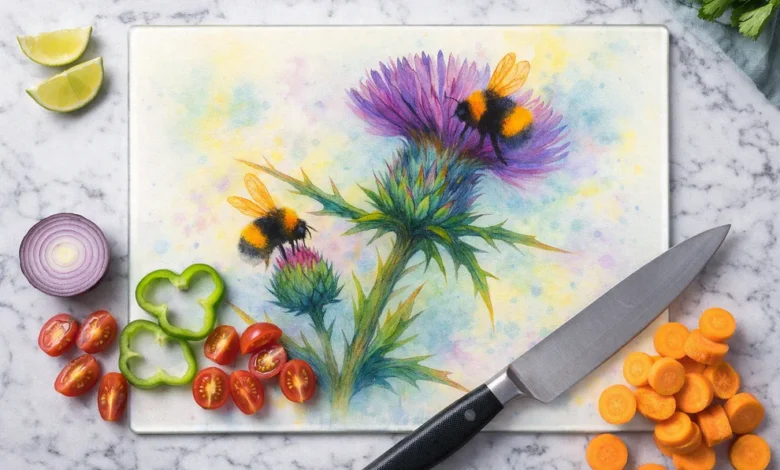
A glass chopping board has become one of the most popular kitchen accessories for homeowners who want a combination of beauty, cleanliness, and durability. Traditional chopping boards made from wood or plastic still have their place, but many people now prefer glass because it offers a sleek modern look while being easy to maintain. Whether you cook every day or only prepare occasional meals, choosing the right cutting surface can improve both convenience and kitchen hygiene.
Modern kitchens are no longer designed only for function. They are also created to reflect style, personality, and smart organization. This is where a glass chopping board stands out. It adds elegance to countertops while providing a sturdy surface for slicing fruits, chopping vegetables, preparing snacks, or serving food. Available in clear, frosted, printed, and decorative styles, these boards can match nearly any kitchen theme.
Another reason for the rising demand is hygiene. Since glass is non-porous, it does not absorb moisture, odors, or stains like some other materials. This makes cleaning simple and helps reduce lingering smells from onions, garlic, fish, or raw meat. For people who care about food safety and quick cleanup, that benefit alone makes a strong case.
In this guide, we will explore everything you need to know about a glass chopping board, including benefits, drawbacks, buying tips, maintenance advice, and comparisons with other materials. By the end, you will know whether it is the right kitchen essential for your home.
What Is a Glass Chopping Board?
A glass chopping board is a flat cutting and preparation surface made from toughened or tempered glass. Unlike ordinary glass, tempered glass is specially treated to improve strength and resistance to heat and impact. This means it is more suitable for kitchen use and safer than standard glass products. Most quality boards also include anti-slip rubber feet to keep them stable while you work.
The main purpose of a glass chopping board is the same as any other cutting board: to provide a clean, stable place for food preparation while protecting countertops from scratches, stains, and knife marks. However, glass adds a premium feel that many other materials cannot match. It can also be used as a serving tray, pastry board, or decorative countertop protector.
Compared with wooden boards, glass boards are much easier to sanitize because they do not soak up juices or bacteria. Compared with plastic boards, they usually last longer without deep grooves or discoloration. This makes them attractive for people who want a low-maintenance option.
Glass chopping boards are available in many sizes, from compact versions for quick slicing to larger boards suitable for full meal preparation. Some include printed designs such as marble effects, floral art, or modern geometric patterns, making them both useful and visually appealing.
Benefits of Using a Glass Chopping Board
One of the biggest benefits of a glass chopping board is cleanliness. Because the surface is non-porous, liquids, oils, and food particles stay on top rather than soaking in. This means odors are less likely to remain after use, and bacteria have fewer places to hide. A quick wash with warm water and soap often leaves the board looking fresh again.
Another major advantage is style. A glass chopping board can instantly improve the look of your kitchen. Many people leave them on display because they blend beautifully with modern counters and appliances. If you enjoy organized, attractive spaces, glass offers both decoration and utility in one item.
Durability is another strong point when you choose tempered glass. It resists stains, scratches from general use, and heat better than many alternatives. Some people even use it as a trivet for warm dishes or as a base for serving cheese, pastries, or appetizers when entertaining guests.
Finally, maintenance is simple. Wooden boards may require oiling, and plastic boards often develop knife grooves that trap residue. A glass chopping board usually needs only basic cleaning and careful storage. For busy households, that convenience saves time and effort every day.
Potential Drawbacks of Glass Chopping Boards
Despite many benefits, a glass chopping board is not perfect for every user. One common concern is that glass is harder than knife blades. Repeated chopping on glass may dull knives faster than wood or softer composite materials. If you own expensive chef knives, you may prefer to reserve glass boards for light tasks.
Another drawback is sound. Chopping on glass can be noisier than cutting on wood or plastic. The tapping sound of knives against a hard surface may bother some users, especially in quiet homes or open-plan kitchens. This is not a safety issue, but it can affect comfort during regular use.
Although tempered glass is strong, it can still chip or break if dropped or hit with extreme force. Quality boards are designed to be safer than ordinary glass, yet careful handling remains important. Avoid slamming heavy objects onto the surface or storing it where it can fall.
For these reasons, many households use a mixed setup: a glass chopping board for light prep, presentation, and hygiene-sensitive tasks, alongside a wooden board for heavy chopping. This balanced approach allows you to enjoy the strengths of both materials.
How to Choose the Best Glass Chopping Board
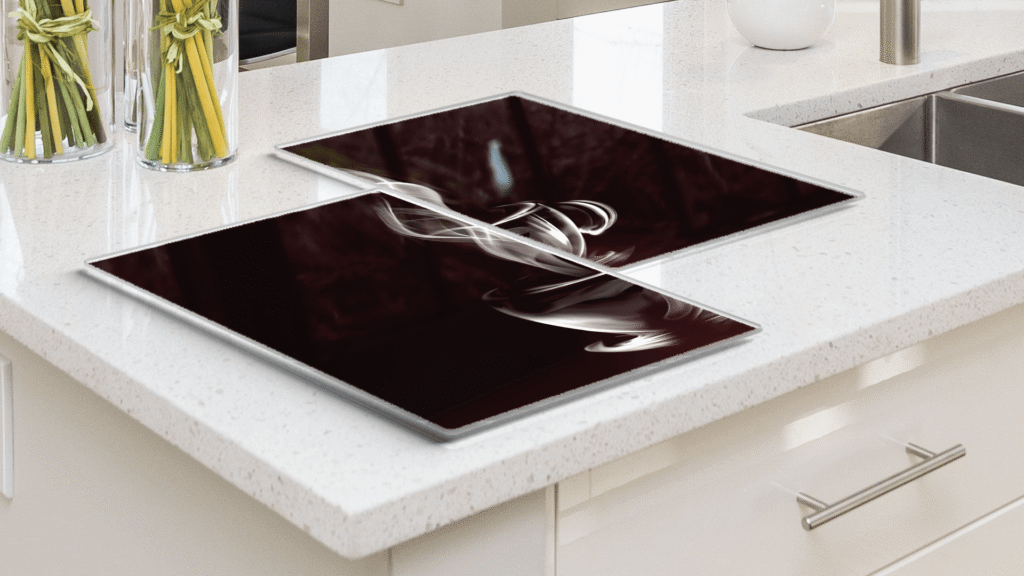
When shopping for a glass chopping board, start with size. A small board works well for slicing lemons, chopping herbs, or making sandwiches. Larger boards are better for meal prep, vegetables, and family cooking sessions. Consider how much counter space you have before choosing.
Thickness is also important. A thicker board often feels sturdier and more premium. Thin boards may be lighter and easier to store, but a solid tempered design usually offers better durability. Always look for products that clearly state they use toughened or tempered glass.
Non-slip feet are highly recommended. Rubber grips on the underside help keep the board stable while cutting, reducing movement and improving safety. Smooth glass placed directly on a polished countertop may slide more easily, so grip pads are a valuable feature.
Finally, think about appearance. Since glass chopping boards are visible items, choose a style that suits your kitchen. Clear glass gives a minimalist look, while printed designs can add personality. A board that matches your décor becomes both a tool and a design feature.
Cleaning and Maintenance Tips
Cleaning a glass chopping board is simple and fast. After use, wash it with warm water, dish soap, and a soft sponge. Rinse thoroughly and dry with a clean cloth. Because the surface is smooth, food residue usually comes away easily without scrubbing.
For deeper cleaning, you can use a mixture of vinegar and water or sprinkle baking soda onto stubborn marks. This helps remove grease and restore shine. Avoid harsh metal scrubbers that may scratch decorative coatings or rubber feet.
Storage matters too. Stand the board securely in a rack or place it flat in a cupboard where it cannot slide. Avoid stacking heavy cookware directly on top of it. Careful storage reduces the risk of chips and extends the life of the board.
Inspect the board occasionally for cracks or damaged edges. If you notice significant damage, replace it promptly. A well-maintained glass chopping board can remain attractive and functional for years.
Glass Chopping Board vs Other Types
Compared with wood, a glass chopping board wins in hygiene and ease of cleaning. Wood is gentler on knives and beloved by professional cooks, but it requires more care. It can absorb moisture if neglected, whereas glass stays non-porous and simple to sanitize.
Compared with plastic, glass often looks better and resists deep knife grooves. Plastic boards are inexpensive and lightweight, but over time they may stain or trap bacteria in cut marks. Glass keeps a cleaner appearance for longer.
Compared with bamboo, glass offers a more modern style and easier cleaning. Bamboo is eco-friendly and knife-friendly, making it a strong competitor. The better choice depends on whether you prioritize sustainability or low-maintenance convenience.
In many homes, the ideal solution is owning more than one board type. Use glass for serving, pastries, and quick prep; wood or bamboo for serious chopping; plastic for raw meat separation if preferred.
Conclusion
A glass chopping board is a smart choice for anyone who values style, hygiene, and convenience in the kitchen. Its sleek appearance, easy cleaning, stain resistance, and durable tempered surface make it a practical everyday accessory. It can also double as a serving board or countertop protector, adding extra value.
While it may not be the best option for heavy knife work or premium blades, it excels in light food preparation and modern kitchen presentation. With the right size, quality, and care, a glass chopping board can become one of the most useful and attractive tools in your home.
FAQs
Are glass chopping boards hygienic?
Yes, they are non-porous and easy to clean, which helps maintain hygiene.
Do glass chopping boards damage knives?
They can dull knives faster than wood or bamboo surfaces.
Can I put hot pans on a glass chopping board?
Many tempered boards resist heat, but always check product instructions.
Are glass chopping boards dishwasher safe?
Many are, though hand washing can extend lifespan.
Do glass chopping boards break easily?
Tempered glass is strong, but it can still break if dropped or struck hard.
You May Also Read: Stephen Graham Parents