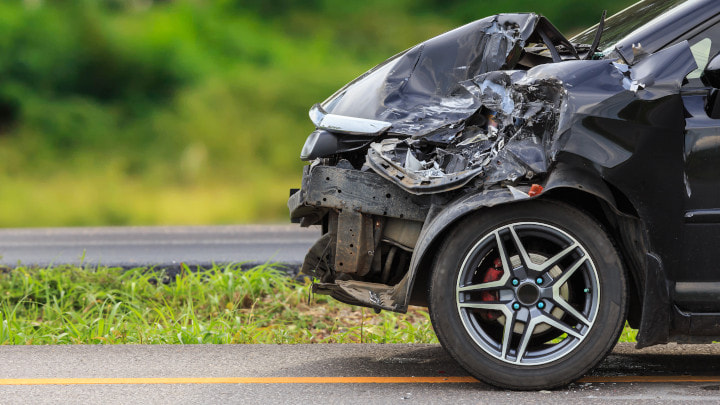
When buying a used car, you may come across terms that seem confusing at first glance. One such term is “Cat N,” which often raises questions and concerns among potential buyers. Understanding the Cat N car meaning is essential because it directly affects the safety, value, and insurability of a vehicle. Whether you are a first-time buyer or an experienced car owner, knowing how this classification works can help you make smarter decisions.
In simple terms, a Cat N Car Meaning is one that has been written off by an insurance company due to damage that is considered non-structural. While this may sound alarming, it does not necessarily mean the car is unsafe or beyond repair. In fact, many Cat N vehicles return to the road after proper repairs and continue to function perfectly well.
This article explores everything you need to know about Cat N cars—from their definition and classification to their pros, cons, and buying tips. By the end, you will have a clear understanding of whether a Cat N Car Meaning is the right choice for you and how to approach such purchases with confidence.
What Does Cat N Car Meaning Actually Mean?
The term “Cat N” stands for Category N, which is a classification used by insurance companies to label vehicles that have suffered damage but do not have structural issues. Structural damage refers to harm to the car’s chassis or frame, which is critical to its safety. In contrast, Cat N vehicles may have problems with electrical systems, body panels, or cosmetic features.
Non-structural damage can include issues such as damaged bumpers, faulty electronics, or minor engine components. These types of problems are often repairable, and once fixed, the car can return to the road legally. However, the insurance company decides that the cost of repair exceeds the car’s value, leading to it being written off.
It’s important to understand that a Cat N classification does not automatically make a car dangerous. Many vehicles receive this label simply because repairs are not economically viable for insurers. For buyers, this presents an opportunity to purchase a car at a reduced price—provided they are aware of the risks and take necessary precautions.
Understanding Car Insurance Write-Off Categories
Insurance companies use a system of categories to classify written-off vehicles. These categories help buyers and sellers understand the extent of damage and whether a car can be repaired or reused. The main categories include A, B, S, and N, each indicating a different level of severity.
Category A vehicles are completely destroyed and must be scrapped, while Category B cars can only be used for parts. Category S refers to vehicles with structural damage that can be repaired but require extensive work. Category N, on the other hand, involves non-structural damage, making it one of the least severe classifications among written-off cars.
The key difference between Cat N and Cat S lies in the type of damage. Structural damage affects the integrity of the vehicle, whereas non-structural damage does not compromise the frame. This distinction is crucial because it directly impacts safety, repair costs, and resale value. Understanding these categories allows buyers to assess risks more effectively and make informed decisions.
Common Reasons a Car Is Classified as Cat N
There are several reasons why a car might be classified as Category N. One of the most common causes is minor accidents that result in cosmetic damage, such as dents, scratches, or damaged panels. While these issues may seem small, repair costs can add up quickly, especially if multiple parts need replacement.
Another reason is electrical or internal component failure. Modern cars rely heavily on electronic systems, and repairing these can be expensive. If the cost of fixing these issues exceeds the car’s market value, the insurer may decide to write it off as Cat N.
Additionally, the concept of an “economic write-off” plays a significant role. Insurance companies often consider not just the cost of repair but also administrative expenses, labor, and parts availability. If repairing the vehicle is not financially viable, it is categorized as Cat N, even if the damage itself is relatively minor.
Pros and Cons of Buying a Cat N Car Meaning
Buying a Cat N Car Meaning comes with both advantages and disadvantages. One of the biggest benefits is affordability. These vehicles are typically sold at a lower price compared to similar models without a write-off history. For budget-conscious buyers, this can be an excellent opportunity to own a car that might otherwise be out of reach.
Another advantage is value for money. If the car has been properly repaired, you may end up with a reliable vehicle at a fraction of the original cost. This is particularly appealing for those who plan to use the car for personal transportation rather than resale.
However, there are downsides to consider. Cat N Car Meaning often have reduced resale value, which means you may not get a high return if you decide to sell later. There is also the risk of hidden damage that was not properly repaired. Insurance premiums can sometimes be higher, and not all insurers may offer full coverage. Weighing these pros and cons carefully is essential before making a purchase.
Is It Safe to Buy a Cat N Car Meaning?
Safety is one of the biggest concerns when it comes to Cat N vehicles. The good news is that these cars do not have structural damage, which means their core safety framework remains intact. However, the quality of repairs plays a crucial role in determining how safe the car actually is.
Before buying a Cat N car, it is important to have it inspected by a qualified mechanic. A professional inspection can reveal whether repairs have been done correctly and whether there are any underlying issues. This step can save you from potential problems in the future.
While many Cat N Car Meaning are perfectly safe, buyers should remain cautious. Look for detailed repair records, avoid deals that seem too good to be true, and always verify the vehicle’s history. With the right approach, a Cat N Car Meaning can be a safe and practical choice.
How to Check If a Car Is Cat N
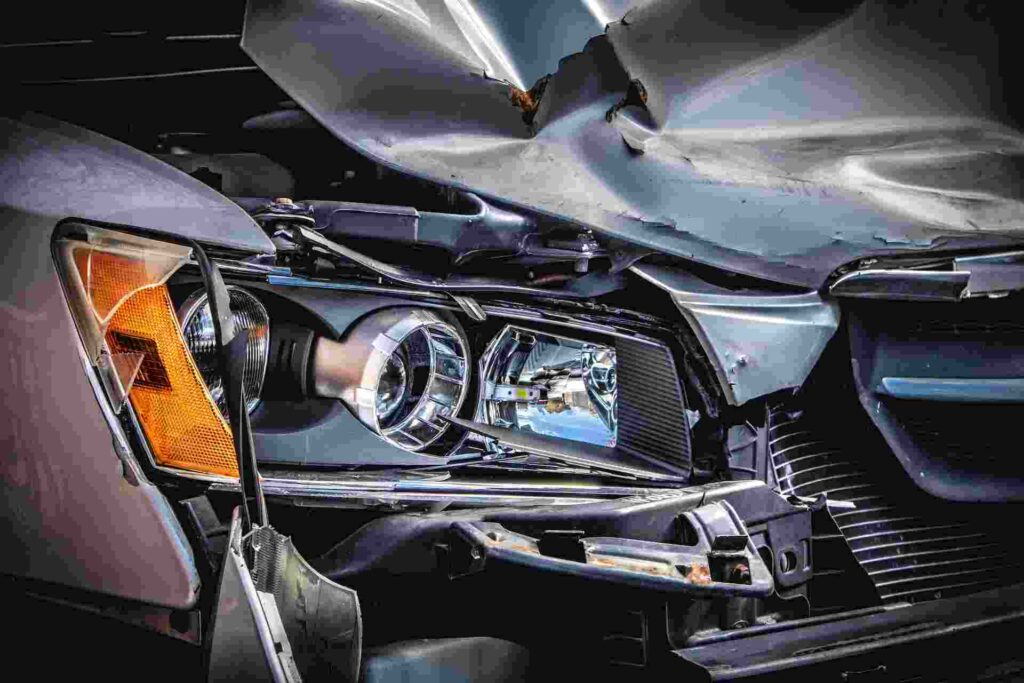
Checking whether a car is classified as Cat N is a crucial step in the buying process. One of the most reliable methods is using a vehicle history check service. These services provide detailed reports that include accident history, insurance write-offs, and ownership records.
Another way is to ask the seller directly for documentation. Honest sellers should be transparent about the car’s history and provide evidence of repairs. Reviewing these documents can give you a better understanding of the vehicle’s condition.
Additionally, checking the Vehicle Identification Number (VIN) can help verify the car’s status. This unique code allows you to access important information about the vehicle, ensuring that you are making an informed decision.
Impact of Cat N Status on Insurance and Resale Value
The Cat N status of a car can significantly impact both insurance and resale value. Insurance companies may view these vehicles as higher risk, which can result in increased premiums. In some cases, certain insurers may refuse to provide comprehensive coverage.
Resale value is another important factor to consider. Cat N Car Meaning are generally worth less than similar vehicles without a write-off history. This is because buyers are often cautious about purchasing cars with previous damage, even if they have been repaired.
Despite these challenges, some buyers specifically look for Cat N Car Meaning due to their lower price. Understanding how this classification affects value and insurance can help you plan your purchase and future resale strategy more effectively.
Tips for Buying a Cat N Car Meaning Safely
When buying a Cat N Car Meaning, taking the right precautions can make all the difference. Start by conducting a thorough inspection, either on your own or with the help of a professional mechanic. This ensures that the car is in good condition and free from major issues.
Next, review the repair history carefully. Look for detailed invoices and records that show what work has been done. This transparency is a good indicator of a trustworthy seller and a well-maintained vehicle.
Finally, negotiate the price based on the car’s condition and history. Since Cat N vehicles have lower market value, you should aim to get the best possible deal. By following these tips, you can minimize risks and make a confident purchase.
Common Myths About Cat N Car Meaning
There are many misconceptions surrounding Cat N Car Meaning, which can lead to unnecessary fear or hesitation. One common myth is that all Cat N vehicles are unsafe. In reality, these cars do not have structural damage and can be perfectly safe if repaired correctly.
Another myth is that Cat N Car Meaning cannot be insured. While it may be slightly more challenging, many insurance companies do offer coverage for these vehicles. It simply requires some research and comparison.
Some people also believe that all Cat N Car Meaning are severely damaged. This is not true, as many are written off due to minor issues or economic reasons. Understanding the facts behind these myths can help you make a more informed decision.
Conclusion
Understanding the Cat N car meaning is essential for anyone considering buying a used vehicle. These cars represent a unique opportunity to save money, but they also come with certain risks that must be carefully managed.
By learning about insurance categories, assessing the pros and cons, and following proper buying procedures, you can make a well-informed decision. A Cat N Car Meaning can be a great investment if approached with caution and knowledge.
Ultimately, the key is to balance cost savings with safety and reliability. With the right research and preparation, you can confidently decide whether a Cat N Car Meaning is the right choice for your needs.
FAQs (Frequently Asked Questions)
What does Cat N mean on a car?
It means the car has non-structural damage and has been written off by an insurance company.
Is a Cat N car safe to drive?
Yes, if it has been properly repaired and inspected.
Can you insure a Cat N vehicle?
Yes, but options may be limited and premiums can be higher.
Does Cat N affect resale value?
Yes, these cars usually have a lower resale value.
What is the difference between Cat N and Cat S?
Cat N involves non-structural damage, while Cat S includes structural damage.
Should I buy a Cat N car?
It depends on your budget, risk tolerance, and the car’s condition.
How do I check if a car is Cat N?
Use a vehicle history check service or review official records.
Are Cat N cars cheaper to maintain?
Not necessarily, as maintenance depends on repair quality.
Can a Cat N car be restored to normal status?
No, the classification remains permanently in its history.
Do Cat N cars require special inspections?
While not mandatory, professional inspections are highly recommended.
You May Also Read: Rip Yellowstone