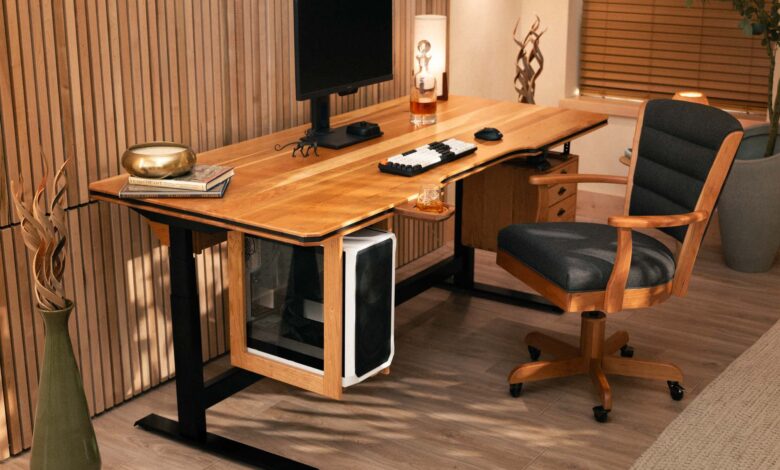
The world of gaming has evolved dramatically over the past decade. What was once a simple hobby enjoyed on a small desk or living room table has transformed into a full-fledged lifestyle for millions of people around the globe. Modern gamers invest in high-performance computers, multiple monitors, mechanical keyboards, and immersive audio systems. However, one crucial piece of equipment that often determines the comfort and functionality of a gaming setup is the gaming desk. A well-designed gaming desk is not just a surface for your computer; it is the foundation that supports your entire gaming environment.
A gaming desk plays an essential role in maintaining organization, improving ergonomics, and enhancing the overall gaming experience. Whether you are a casual player who enjoys a few matches after work or a dedicated esports enthusiast who spends hours perfecting strategies, having the right desk can make a significant difference. A properly designed desk helps you keep your equipment organized, manage cables effectively, and create a comfortable posture that prevents fatigue during long gaming sessions.
Beyond practicality, a gaming desk also contributes to the aesthetic appeal of a gaming room. Many modern desks are designed with sleek surfaces, LED lighting compatibility, and dedicated accessories such as headphone hooks and cup holders. These features allow gamers to personalize their setups and create an environment that feels immersive and inspiring. A well-organized gaming space can boost focus and help players fully immerse themselves in the virtual worlds they explore.
In this guide, we will explore everything you need to know about gaming desks. From understanding their purpose and unique features to learning how to choose the right type for your needs, this article will provide valuable insights. Whether you are building your first gaming setup or upgrading an existing one, selecting the perfect gaming desk is a step toward creating a comfortable, efficient, and visually impressive gaming station.
What Is a Gaming Desk?
A gaming desk is a specialized piece of furniture designed specifically to support gaming equipment and enhance the gaming experience. Unlike standard office desks, gaming’desks are built with gamers in mind, offering features that accommodate multiple monitors, gaming peripherals, and high-performance hardware. These desks are often wider, sturdier, and designed with ergonomic principles to ensure comfort during extended gaming sessions.
One of the main differences between a gaming desk and a regular desk is the attention to detail in design. Gaming desks typically include built-in cable management systems, allowing users to keep wires organized and out of sight. This not only improves the visual appeal of the setup but also prevents cables from becoming tangled or damaged. Additionally, many gaming desks include features such as monitor stands, keyboard trays, and accessory holders that make the gaming environment more functional.
Over the years, gaming furniture has evolved alongside gaming technology. As gaming setups became more sophisticated, the demand for desks that could support multiple monitors, heavy gaming PCs, and additional accessories grew rapidly. Manufacturers responded by designing desks with reinforced frames, larger surfaces, and innovative features that cater to modern gamers. Today, gaming desks are available in a wide range of styles and sizes, making it easier for players to find one that suits their needs.
Gaming desks are not limited to professional gamers or streamers. They are also suitable for casual gamers, content creators, and even individuals who use their gaming setups for work or study. The versatility of a gaming desk allows it to function as both a gaming station and a productivity hub. By providing ample space and ergonomic support, these desks create an environment that encourages both comfort and efficiency.
Key Features of a Good Gaming Desk
A high-quality gaming desk offers a combination of durability, comfort, and functionality. One of the most important features to consider is ergonomic design. Since many gamers spend several hours sitting at their desks, proper posture and comfort are essential. An ergonomic desk ensures that the monitor is positioned at eye level and that the keyboard and mouse are placed at a comfortable height, reducing strain on the neck, shoulders, and wrists.
Another critical feature is the size and surface area of the desk. Modern gaming setups often include multiple monitors, speakers, microphones, and other accessories. A spacious desk allows gamers to arrange their equipment without feeling cramped. Having enough room also improves mouse movement, which is particularly important for competitive gaming where precision and quick reactions are essential.
Cable management is another hallmark of a well-designed gaming’desk. With numerous devices connected to a gaming system, cables can quickly become messy and difficult to manage. Many gaming desks include cable trays, routing holes, and hidden channels that keep wires organized. This not only enhances the visual appearance of the setup but also improves safety by preventing cables from getting caught or damaged.
Durability is equally important when choosing a gaming desk. These desks must support heavy gaming PCs, multiple monitors, and additional accessories. As a result, they are often constructed from sturdy materials such as steel frames, high-density wood, or carbon fiber surfaces. Some gaming desks also include additional gamer-friendly features like RGB lighting compatibility, headphone hooks, and cup holders. These small additions can significantly improve convenience and make the gaming experience more enjoyable.
Types of Gaming Desks
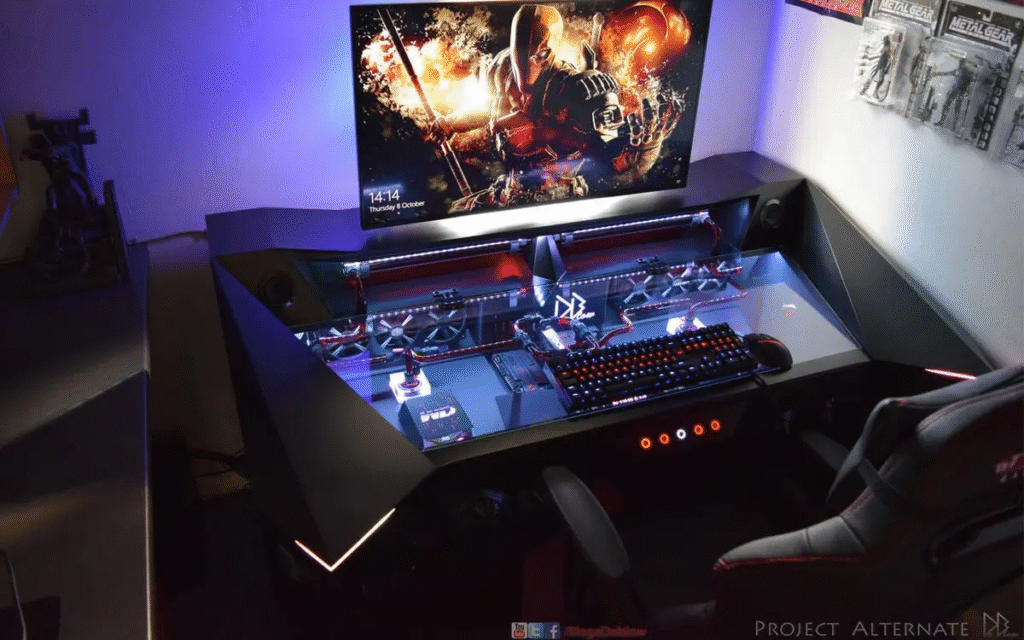
Gaming desks come in several different designs, each suited to specific gaming setups and room layouts. One of the most common types is the standard rectangular gaming desk. This design offers simplicity and versatility, making it ideal for gamers who prefer a straightforward setup. Rectangular desks provide ample surface space and can easily fit into most rooms without requiring special placement.
Another popular option is the L-shaped gaming’desk. These desks are designed to maximize workspace by extending in two directions, creating an “L” shape. This design is particularly useful for gamers who use multiple monitors or need extra space for streaming equipment, editing tools, or other devices. L-shaped desks also allow users to separate their gaming area from other activities such as work or study.
Corner gaming desks are designed to fit neatly into the corner of a room, making them an excellent choice for smaller spaces. By utilizing unused corners, these desks help save space while still providing enough room for a full gaming setup. Corner desks are particularly popular among gamers who want to maintain an organized environment without occupying too much floor space.
Standing gaming desks are another innovative option that has gained popularity in recent years. These desks allow users to adjust the height, enabling them to switch between sitting and standing positions. This flexibility promotes better posture and reduces the health risks associated with prolonged sitting. Additionally, compact gaming’desks are available for gamers who have limited space but still want a dedicated area for their gaming equipment.
How to Choose the Right Gaming Desk
Selecting the right gaming desk begins with evaluating your gaming setup. Consider the number of monitors you use, the size of your PC tower, and the accessories you plan to place on the desk. Gamers with multiple monitors or large equipment will need a desk with a wider surface area to ensure everything fits comfortably without overcrowding the workspace.
Measuring your available space is equally important before purchasing a gaming desk. Knowing the dimensions of your room will help you determine the maximum size of desk that can fit without making the area feel cramped. Proper placement also ensures that you have enough legroom and that the desk is positioned in a way that supports comfortable gaming and easy movement around the room.
Budget is another factor that plays a significant role in choosing a gaming’desk. Entry-level desks are typically more affordable and suitable for basic setups, while premium models offer advanced features such as adjustable height, built-in lighting, and enhanced durability. Balancing your budget with the features you need will help you find a desk that provides the best value for your investment.
Style and aesthetics should not be overlooked when selecting a gaming desk. Many gamers enjoy designing a visually appealing setup that reflects their personality and gaming preferences. From sleek black surfaces to futuristic RGB lighting themes, gaming desks come in a variety of styles that can complement the overall design of your gaming room.
Conclusion
A gaming desk is far more than just a piece of furniture; it is the central foundation of a well-organized and comfortable gaming setup. By providing adequate space, ergonomic support, and convenient features, a gaming’desk helps create an environment where gamers can fully enjoy their favorite games without discomfort or distractions. Investing in the right desk can significantly enhance both performance and overall gaming satisfaction.
Choosing the perfect gaming desk requires careful consideration of several factors, including size, design, durability, and additional features. Whether you prefer a simple rectangular desk, a spacious L-shaped model, or an adjustable standing desk, there is an option available to suit every type of gamer. By understanding your needs and evaluating the available choices, you can build a gaming station that is both practical and visually impressive.
Ultimately, the goal of a gaming desk is to support your gaming lifestyle while maintaining comfort and organization. With the right desk, you can create a setup that not only looks amazing but also enhances your gaming experience for years to come.
Frequently Asked Questions (FAQs)
What is the difference between a gaming desk and a regular desk?
A gaming desk is designed specifically for gaming equipment and often includes features such as cable management systems, wider surfaces, and ergonomic designs.
How big should a gaming desk be for a dual-monitor setup?
A desk that is at least 47 to 60 inches wide is generally recommended for comfortably supporting two monitors and additional accessories.
Are gaming desks worth the investment for casual gamers?
Yes, even casual gamers can benefit from improved comfort, organization, and durability offered by gaming desks.
What materials are best for gaming desks?
Common materials include steel frames, high-density wood, and carbon fiber surfaces, which provide durability and stability.
How do I manage cables on a gaming desk?
Using built-in cable trays, clips, and routing holes can help keep cables organized and hidden.
Can a gaming desk support multiple monitors and a heavy PC?
Most gaming desks are built with strong frames and high weight capacities, making them suitable for multi-monitor setups.
Are standing gaming desks better for health?
Standing desks allow users to alternate between sitting and standing, which can improve posture and reduce health risks.
What accessories should I add to a gaming desk?
Popular accessories include monitor stands, RGB lighting, headphone hooks, and cable organizers.
You May Also Read: Portable Power Station