A Bonnet is more than just a simple head covering. Over time, it has evolved into an important accessory used for both fashion and hair care. Historically, bonnets were worn as stylish hats designed to protect the head from sunlight and weather. In modern times, however, they are widely known for their role in maintaining healthy hair, especially during sleep. Many people use bonnet made from smooth fabrics like satin or silk to reduce hair damage and maintain hairstyles.
The popularity of the Bonnet has increased significantly due to growing awareness about hair care and protection. Hair experts often recommend wearing a bonnet at night because it helps prevent breakage, frizz, and dryness caused by friction with pillows. This simple accessory acts as a protective barrier, allowing hair to remain smooth and manageable for longer periods.
Another reason bonnets remain widely used is their versatility. They are suitable for different hair types, including curly, straight, wavy, and natural hair textures. Whether someone wants to preserve a fresh hairstyle, maintain moisture in their hair, or simply protect it while sleeping, a bonnet can be a practical solution.
In this comprehensive guide, we will explore the history of bonnets, their various types, benefits, materials, and how to choose and maintain them properly. By understanding these aspects, readers can make informed decisions about incorporating a bonnet into their hair care routine.
What Is a Bonnet?
A Bonnet is a soft head covering designed to protect hair and keep it in place. Traditionally, bonnets were structured hats with ties or ribbons that were worn by women and children. These early designs were often made from fabric or straw and were part of everyday fashion in earlier centuries.
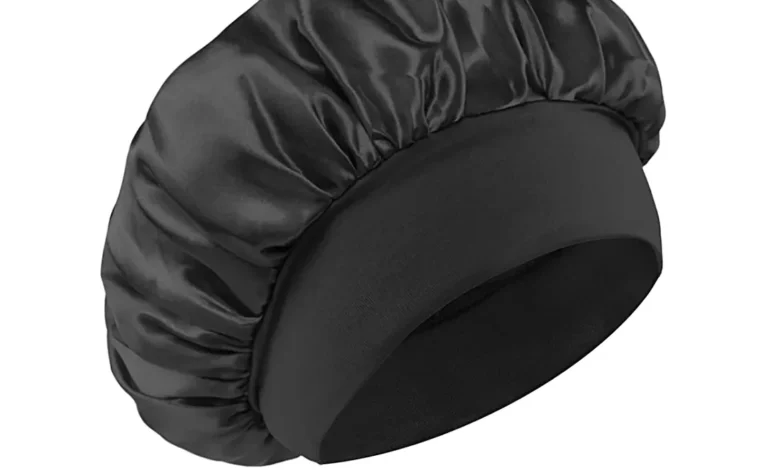
Modern bonnets, however, have a different purpose and design. Instead of being worn outdoors as a fashion accessory, they are commonly used indoors for hair protection. They are typically made with soft fabrics such as satin, silk, or cotton and feature elastic bands that allow them to stay securely on the head. This comfortable design ensures that hair remains covered and protected throughout the night.
The evolution of the Bonnet reflects changing lifestyles and beauty practices. As people became more aware of the importance of hair care, especially for maintaining curls and textured hair, bonnets became a practical solution for reducing damage. The smooth materials used in modern bonnets help prevent hair strands from rubbing against rough surfaces, which can lead to breakage.
Today, bonnets are widely recommended by hairstylists and hair care professionals. They provide a simple yet effective way to maintain hair health, making them a common accessory in many daily routines.
Types of Bonnets
There are several types of Bonnet available, each designed to meet specific needs. One of the most popular options is the satin bonnet. Satin bonnets are affordable and widely available, making them a common choice for people who want to protect their hair during sleep. The smooth surface of satin helps reduce friction, preventing tangles and frizz.
Silk bonnets are another popular option. They are considered more luxurious because silk is a natural fabric that is extremely smooth and gentle on hair. Silk bonnets help maintain moisture and reduce dryness, which is especially beneficial for individuals with delicate or textured hair. Although silk bonnets can be more expensive, many people prefer them for their superior comfort and quality.
Cotton bonnets are also available, although they are less commonly used for hair protection. Cotton is breathable and comfortable, but it can sometimes absorb moisture from hair. For this reason, many people choose satin or silk bonnets instead, especially for nighttime use.
In addition to these materials, there are fashion bonnets that serve decorative purposes. These bonnets may feature colorful designs, patterns, and unique shapes. Modern designs may also include adjustable straps or double-layer fabrics for improved comfort and durability.
Benefits of Wearing a Bonnet
Wearing a Bonnet offers several important benefits for hair health. One of the main advantages is protection during sleep. When people sleep, their hair often rubs against pillowcases, which can cause friction and damage. A bonnet creates a smooth barrier that prevents this contact, helping hair remain smooth and tangle-free.
Another major benefit is moisture retention. Hair naturally contains oils that keep it soft and healthy. However, certain fabrics like cotton pillowcases can absorb these oils, leaving hair dry and brittle. Satin and silk bonnets help lock in moisture, allowing hair to stay hydrated overnight.
Bonnets also help reduce frizz and breakage. Hair strands can easily become tangled or damaged due to constant movement during sleep. By keeping hair gently contained, a bonnet prevents unnecessary stress on the strands. This is particularly helpful for people with curly or textured hair, which tends to be more fragile.
In addition, wearing a bonnet can extend the life of hairstyles. Whether someone has braids, curls, or a blowout, a bonnet helps preserve the style by preventing flattening and frizz. This means less time spent restyling hair each morning.
Materials Used in Bonnets
The effectiveness of a Bonnet largely depends on the materials used to make it. Satin is one of the most commonly used materials because it provides a smooth surface that minimizes friction. Satin bonnets are also widely available and relatively affordable, making them a practical choice for many people.
Silk is another popular material known for its luxurious texture and natural benefits. Silk fibers are incredibly smooth, which makes them ideal for protecting delicate hair. Unlike some synthetic materials, silk also helps regulate temperature, keeping the head comfortable throughout the night.
Cotton and blended fabrics are sometimes used in bonnet designs as well. These materials are breathable and comfortable, although they may not provide the same level of hair protection as satin or silk. For individuals who prioritize comfort and airflow, cotton bonnets can still be a suitable option.
Modern bonnet designs often include elastic bands or adjustable straps. These features ensure that the bonnet fits securely without being too tight. A well-fitted bonnet stays in place during sleep, providing consistent hair protection.
How to Choose the Right Bonnet

Selecting the right Bonnet involves considering several important factors. One of the first things to think about is hair type. People with thick or curly hair may require larger bonnets to comfortably fit their hair, while individuals with shorter hair can choose smaller designs.
Material choice is another key consideration. Satin and silk bonnets are often recommended because they protect hair from friction and help retain moisture. While silk offers premium quality, satin provides similar benefits at a more affordable price.
Comfort is equally important when choosing a bonnet. A bonnet should fit snugly enough to stay on during sleep but not so tight that it causes discomfort. Adjustable designs with elastic bands are often the most practical because they can accommodate different head sizes.
Finally, style and appearance can also influence the decision. Many modern bonnets come in a variety of colors and patterns, allowing individuals to select designs that match their personal preferences.
Caring for and Maintaining a Bonnet
Proper care helps extend the life of a Bonnet and ensures it continues to protect hair effectively. Regular washing is important because bonnets can collect oils, hair products, and dust over time. Gentle washing with mild detergent helps keep the fabric clean and fresh.
Storage is another important aspect of bonnet care. Keeping bonnets in a clean and dry place prevents dust buildup and maintains their shape. It is best to avoid placing heavy objects on top of them, as this could stretch or damage the fabric.
Over time, elastic bands may lose their stretch or fabrics may wear out. When this happens, replacing the bonnet is recommended to maintain proper fit and performance. A well-maintained bonnet can last a long time and continue to provide effective hair protection.
Conclusion
The Bonnet has evolved from a traditional fashion accessory into an essential hair care tool used by people around the world. Its ability to protect hair from friction, maintain moisture, and preserve hairstyles makes it an incredibly valuable addition to any hair care routine.
From satin and silk options to modern adjustable designs, bonnets now come in a variety of styles that suit different preferences and hair types. This versatility has helped them remain relevant in both beauty and fashion industries.
By choosing the right bonnet and caring for it properly, individuals can enjoy healthier hair and reduce common issues such as breakage and frizz. Whether used for sleep, hair treatments, or style preservation, bonnets continue to prove their importance in everyday hair care.
Frequently Asked Questions (FAQs)
What is a Bonnet used for?
A bonnet is used to protect hair, especially during sleep, by reducing friction and preventing tangles.
Is silk or satin better for a bonnet?
Both are good options, but silk is more luxurious while satin is more affordable and still effective.
Can people with straight hair use a bonnet?
Yes, bonnets can benefit all hair types by reducing frizz and maintaining hair health.
How often should a bonnet be washed?
It is generally recommended to wash a bonnet every one to two weeks.
Can a bonnet prevent hair breakage?
Yes, by reducing friction and protecting hair strands, bonnets help prevent breakage.
Are bonnets only for nighttime use?
No, bonnets can also be used during hair treatments or while relaxing at home.
What size bonnet should I choose?
Choose a size that comfortably fits your hair volume and head size.
Do bonnets help maintain hairstyles?
Yes, they help preserve curls, braids, and other styles by preventing frizz and flattening.
You May Also Read: Yamaha R9