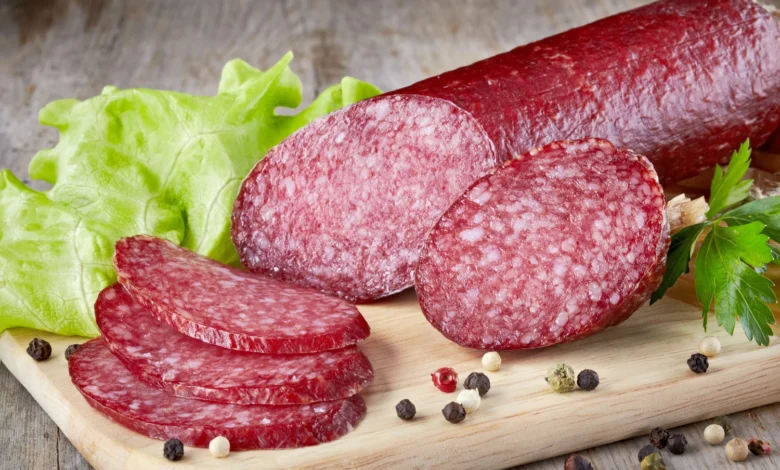
Salami is a world-renowned cured sausage that has delighted taste buds for centuries. Known for its robust flavor, firm texture, and versatility, salami has become a staple in many culinary traditions. From European charcuterie boards to modern sandwiches and pizzas, this seasoned meat offers a combination of convenience, nutrition, and taste. Its cultural significance extends beyond the kitchen, symbolizing heritage, tradition, and craftsmanship in various countries.
Salami is typically made from a blend of pork, beef, or sometimes other meats, mixed with salt, spices, and curing agents. The sausage undergoes a fermentation and drying process, which develops its distinctive tangy, savory flavor. Unlike fresh sausages, salami is designed to be preserved for long periods, making it a practical and delicious food item. Its rich aroma and bold taste make it a favorite among food enthusiasts worldwide.
Throughout history, salami has been embraced in different regions, with each culture adding its own twist. Italy, Spain, Germany, and Eastern Europe all have unique varieties, differing in spices, meat selection, and curing techniques. Modern chefs and home cooks continue to innovate, creating flavored, low-fat, and gourmet salami products. This article provides a comprehensive exploration of salami, covering its history, types, preparation methods, culinary uses, and nutritional information, making it a complete guide for enthusiasts and beginners alike.
History and Origins of Salami
The origins of salami trace back to ancient Europe and the Mediterranean, where preserving meat was essential for survival before refrigeration. Early methods included salting, smoking, and fermenting meats to extend shelf life, and salami quickly became a favored food due to its long preservation period and portability. Ancient texts suggest that Romans and Greeks enjoyed cured sausages resembling modern-day salami, often flavored with herbs, wine, and spices.
Over time, salami evolved in different regions. Italy is perhaps the most famous for its diverse range of salami, including Genoa, Milano, and Soppressata, each with unique flavor profiles and textures. Spain developed chorizo, a paprika-spiced salami, while Germany introduced varieties like Landjäger and Teewurst. These regional differences reflect local ingredients, culinary traditions, and environmental conditions, demonstrating how salami became a cultural hallmark in various European countries.
The spread of salami continued during migration and trade, reaching North America and other parts of the world. Immigrant communities preserved traditional recipes while adapting them to local tastes and available ingredients. By the 19th and 20th centuries, industrial production allowed salami to be mass-produced while maintaining essential curing and fermentation processes. Despite modernization, artisanal and homemade salami remains popular, preserving centuries-old techniques and flavors.
Culturally, salami is more than food; it symbolizes craftsmanship and culinary heritage. Its presence in festivals, family gatherings, and traditional meals highlights its enduring appeal. From rustic Italian kitchens to contemporary delicatessens, salami has maintained a position as both a practical and celebrated food item.
Types and Varieties of Salami
Salami is incredibly diverse, with variations across countries and regions. Italian salami is among the most recognized, characterized by balanced spice, finely ground meat, and air-dried curing. Genoa salami is known for its coarsely ground pork and garlic flavor, while Milano salami is milder, with a delicate texture. Soppressata, a southern Italian variety, often contains crushed red pepper for a spicier taste. Each type represents the regional culinary traditions of Italy and demonstrates the artistry of curing.
Spanish salami varieties, such as chorizo, are distinguished by paprika and smoky flavors. Some are cured and dry, while others are semi-cooked or smoked. Spanish salami often incorporates bold spices and a deep red hue from paprika, making it visually appealing as well as flavorful. Spain also produces fuet, a thin, dry sausage popular in Catalonia, which is mild but richly spiced.
German and Eastern European salami types are unique for their texture and preparation. Landjäger is a semi-dried, smoked sausage, while Teewurst is soft and spreadable. Debrecener is flavored with paprika and garlic, reflecting Eastern European spice preferences. These varieties highlight how different climates, meats, and spices influence the final product, resulting in an extensive global salami landscape.
Modern and specialty salami includes artisan, organic, and flavored options, catering to contemporary tastes. Variations may feature herbs, cheeses, wine, or exotic spices, while low-fat and turkey-based alternatives appeal to health-conscious consumers. This diversity ensures that salami remains relevant in both traditional and modern cuisines worldwide.
How Salami Is Made
Salami production begins with ingredient selection. High-quality meat, such as pork, beef, or a combination, is essential for flavor and texture. Meat is finely ground or coarsely chopped depending on the variety. Salt, spices, and curing agents are mixed into the meat, along with natural or synthetic casings to form the sausage shape.
The curing and fermentation process is vital. Salami is left to ferment under controlled temperatures, which develops its tangy flavor and preserves the meat. Fermentation can take days or weeks depending on the type and desired intensity. Traditional methods involve hanging sausages in cool, ventilated areas, allowing air to circulate for even drying.
Drying, smoking, and packaging follow fermentation. Air-dried salami achieves a firm texture and concentrated flavor. Smoking adds depth and extends shelf life, while vacuum packaging ensures freshness for commercial distribution. These steps contribute to the final taste, aroma, and appearance of the sausage.
Homemade versus commercial production differs mainly in scale and consistency. Homemade salami allows customization of spices and meat ratios but requires careful attention to safety and hygiene. Commercially produced salami benefits from standardized processes and quality control, ensuring consistent taste and safe consumption. Both methods result in flavorful, versatile sausages enjoyed worldwide.
Culinary Uses and Serving Tips

Slicing and serving salami properly enhances its flavor and texture. Thin slices are ideal for sandwiches, charcuterie boards, and appetizers, while thicker slices work well in cooked dishes. Presentation matters, and arranging salami with complementary foods such as cheeses, olives, and bread creates an appealing spread.
Pairing with foods and drinks elevates the salami experience. Wine, particularly red or dry white, complements the rich, savory flavors. Salami pairs well with cheeses like mozzarella, Parmigiano-Reggiano, or gouda. Fruits, nuts, and pickles balance saltiness and add texture. Bread, crackers, or flatbreads provide a neutral base that highlights the sausage’s taste.
Recipes and dishes featuring salami are extensive. It is commonly used on pizzas, in pasta dishes, or as a key ingredient in antipasto platters. Salami can be diced into salads, added to omelets, or sautéed for pasta toppings. Its versatility allows it to shine in both casual and gourmet preparations, making it a favorite in kitchens worldwide.
Storage and shelf life are important considerations. Dry, cured salami can be stored at room temperature if unopened, while sliced or fresh salami should be refrigerated. Freezing is an option for longer storage but may slightly alter texture. Proper handling ensures safety and preserves the full flavor of the sausage.
Health and Nutritional Information
Salami is rich in protein and essential nutrients, providing iron, vitamin B12, and zinc. It is a concentrated source of energy, which makes it satisfying and versatile in meals. However, it is also high in fat and sodium, so moderation is key for maintaining a balanced diet.
Health-conscious consumers can find low-fat, reduced-salt, or turkey-based alternatives. These options allow enjoyment of the distinctive salami flavor while managing cholesterol and sodium intake. Pairing salami with vegetables, whole grains, and fruits further enhances nutritional balance.
Myths and facts surrounding salami often relate to cured meats being unhealthy. While excessive consumption of processed meats can pose health risks, occasional consumption within a balanced diet is safe. Understanding quality, ingredients, and portion size helps consumers enjoy salami responsibly.
Conclusion
Salami is a timeless culinary delight that blends history, flavor, and tradition. Its diverse varieties, from Italian and Spanish to German and modern artisan options, offer something for every palate. From its origins in ancient Europe to modern kitchens worldwide, salami remains a symbol of craftsmanship and cultural heritage.
Its versatility in recipes, pairing possibilities, and serving options make it an indispensable ingredient for food lovers. While health considerations exist, mindful consumption ensures salami remains both enjoyable and nourishing. Exploring different types and preparations allows anyone to appreciate the rich heritage and culinary artistry of this iconic cured sausage.
Frequently Asked Questions (FAQs)
What is salami?
A cured, seasoned sausage, different from fresh sausages due to fermentation and drying.
Where did salami originate?
Ancient Europe and the Mediterranean regions.
What are the main types?
Italian (Genoa, Milano), Spanish (Chorizo, Fuet), German/Eastern European (Landjäger, Teewurst).
How is salami made?
Meat mixed with spices, cured, fermented, and dried or smoked.
Can it be eaten raw?
Yes, cured salami is safe to eat without cooking.
How to store salami?
Keep dry and sealed; refrigerate after slicing; freeze for long-term storage.
Best pairings?
Cheese, wine, bread, fruits, nuts, and olives.
Is it healthy? –
High in protein but also fat and sodium; eat in moderation.
Can I make it at home?
Yes, with proper hygiene and curing methods.
Differences by region?
Italian is mild and balanced, Spanish is spicy and smoky, German/Eastern European is firmer with unique spices.
You May Also Read: Casio G Shock