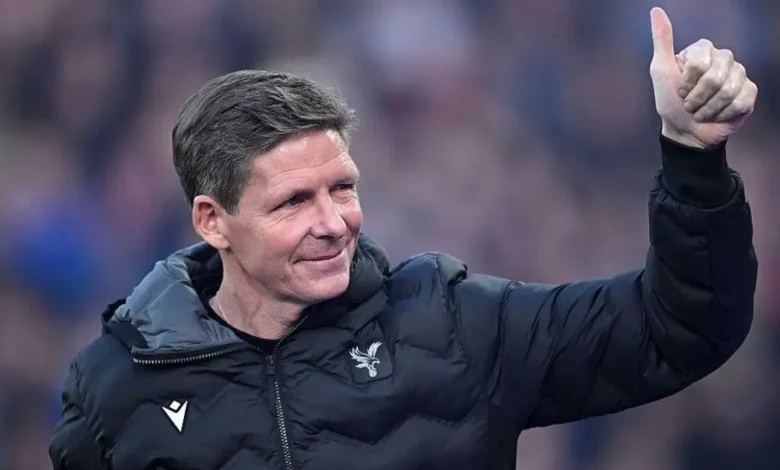
Oliver Glasner has become one of the most respected figures in European football, known for his tactical acumen, consistency, and ability to build competitive teams. Rising from a professional player to a highly regarded coach, Glasner has demonstrated a deep understanding of the game, blending discipline, strategic foresight, and leadership. His journey reflects the evolution of modern football, where tactical intelligence and adaptability define managerial success.
Fans and analysts alike follow Glasner’s career closely, especially due to his transformative work with clubs such as RB Salzburg and VfL Wolfsburg. Under his leadership, teams have achieved impressive league positions, developed young talent, and executed game plans that showcase both defensive solidity and attacking efficiency. Beyond results, Glasner’s approach to player development and adaptability to different football cultures has elevated him as a sought-after manager across Europe.
This article explores Oliver Glasner early life, playing career, managerial achievements, tactical philosophies, notable seasons, personal life, and future prospects. It highlights why he is regarded as one of the most influential modern football managers, combining traditional Austrian football discipline with contemporary tactical innovation. Whether you are a fan, aspiring coach, or sports analyst, understanding Glasner’s journey offers insights into the making of a modern football strategist.
Early Life and Playing Career
Oliver Glasner was born on August 6, 1974, in Austria, where his passion for football began at a young age. Growing up in a football-loving environment, he was drawn to the sport not only for its competitive nature but also for the discipline, teamwork, and strategy it demanded. He joined youth academies early, displaying versatility, intelligence on the pitch, and leadership qualities that would later define his managerial style.
Glasner’s professional playing career saw him primarily operate as a central defender, a position that allowed him to understand the tactical nuances of defensive organization. His stints with Austrian clubs, including LASK Linz and SV Ried, provided him with experience in both domestic competitions and European tournaments. Known for his calmness under pressure, aerial ability, and tactical awareness, Glasner was respected by teammates and coaches alike.
During his playing career, Glasner developed a profound appreciation for structured gameplay, which emphasized maintaining balance between defense and attack. He often took on leadership responsibilities on the field, guiding younger teammates and coordinating defensive formations. These experiences helped him transition smoothly into coaching after his retirement, providing a foundation for his tactical understanding and managerial philosophy.
Managerial Career and Achievements
After retiring from professional football, Glasner quickly moved into coaching, bringing his on-field insights into the managerial realm. His early coaching roles included working with youth teams and serving as an assistant coach, which allowed him to refine his tactical approach and leadership skills. His first major managerial role came with LASK Linz, where he demonstrated an ability to improve team performance, instill discipline, and implement organized, efficient systems.
Glasner’s managerial reputation grew significantly during his tenure at Red Bull Salzburg. Leading one of Austria’s top clubs, he guided the team to multiple league titles, cup victories, and impressive performances in European competitions. His teams were known for their tactical flexibility, maintaining defensive solidity while exploiting attacking opportunities through structured counterattacks and precise ball movement.
In 2021, Glasner took over as manager of VfL Wolfsburg in the German Bundesliga, a move that elevated his profile further. Despite the higher level of competition, he achieved commendable results, ensuring consistent league standings and enhancing the team’s competitive edge. Glasner’s success has been recognized through multiple accolades and the respect of both players and football pundits, solidifying his place among Europe’s top managerial talents.
Coaching Philosophy and Tactics
One of Oliver Glasner’s defining traits as a manager is his meticulous approach to tactics. He prefers structured formations, often employing a 3-5-2 or 4-2-3-1 system, allowing for flexibility in both attack and defense. His teams are disciplined, maintaining compact defensive lines while transitioning quickly to offensive plays. This balance ensures that his squads are difficult to break down but remain capable of exploiting opposition weaknesses.
Glasner emphasizes teamwork, positional discipline, and pressing at key moments in matches. Defensive organization is particularly critical; players are trained to anticipate opponent movements, maintain compact shapes, and reduce spaces in central and wide areas. Offensively, Glasner encourages quick, purposeful passing, intelligent movement off the ball, and exploiting flanks or overloads to destabilize opposing defenses.
Player development is another core aspect of Glasner’s philosophy. He integrates young talent into first-team structures, often trusting them with critical roles. By combining experience with emerging skill, Glasner ensures continuity and sustainability in his squads. Additionally, he adapts tactics based on opponent strengths and weaknesses, demonstrating strategic flexibility that is crucial at the elite European level.
Notable Seasons and Matches

During his tenure at Red Bull Salzburg, Glasner oversaw some of the club’s most memorable seasons. His tactical discipline and attention to detail helped Salzburg dominate domestic competitions, with consistent league victories and cup triumphs. In European tournaments, his teams impressed with disciplined pressing and rapid transitions, showcasing his ability to prepare squads for high-pressure matches.
At VfL Wolfsburg, Glasner has further established his reputation. In the Bundesliga, he has led the team to strong league finishes, notable victories against top clubs, and impressive defensive records. Key matches often highlighted his tactical acumen, such as countering high-pressing teams with structured buildup play and exploiting weak zones with calculated offensive patterns.
These standout performances reflect Glasner’s impact on team consistency and morale. His management style ensures that teams are prepared for a variety of match situations, capable of adjusting strategies mid-game, and resilient against stronger opposition, a quality that has earned him respect across Europe.
Personal Life and Off-the-Field Influence
Outside of football, Oliver Glasner maintains a private but respected personal life. He values family and often attributes his discipline and work ethic to lessons learned from his early upbringing. His professional philosophy reflects these values, emphasizing respect, accountability, and leadership.
Glasner is also influential in mentoring younger players, guiding them through professional challenges while instilling discipline and tactical understanding. He maintains a positive public image, engaging with media responsibly and providing insights into his strategic thinking during interviews and press conferences. His influence extends beyond clubs, contributing to Austrian football’s broader coaching culture through knowledge-sharing and leadership example.
Future Prospects and Potential Moves
As of 2026, Oliver Glasner is considered a prime candidate for top managerial roles across Europe. His tactical intelligence, track record of league and cup successes, and ability to develop talent make him a highly desirable candidate for clubs seeking stability and long-term growth. Rumors often link him to prominent Bundesliga, Premier League, and European teams looking for innovative, disciplined management.
Glasner’s future trajectory suggests a continued focus on tactical excellence, player development, and team optimization. His adaptability across different leagues and football cultures ensures that he remains relevant and effective, with potential to leave a lasting impact on European football.
Conclusion
Oliver Glasner’s journey from professional player to celebrated football manager exemplifies the blend of tactical intelligence, leadership, and strategic foresight that defines modern football management. His structured approach, flexibility, and commitment to player development have produced consistent results, making him a highly respected figure in European football.
Through his work at Red Bull Salzburg, VfL Wolfsburg, and other roles, Glasner has demonstrated that disciplined tactical execution combined with adaptability leads to success. As he continues to evolve, his influence on teams, players, and football culture is poised to grow, solidifying his legacy as one of the most impactful managers of his generation.
Frequently Asked Questions (FAQs)
Who is Oliver Glasner and what is his background?
Oliver Glasner is an Austrian football manager and former player, recognized for his tactical expertise and managerial achievements in European football.
Which clubs did Oliver Glasner play for during his career?
He primarily played as a defender for Austrian clubs including LASK Linz and SV Ried.
What teams has Oliver Glasner managed?
Glasner has managed LASK Linz, Red Bull Salzburg, and VfL Wolfsburg, achieving notable domestic and European success.
What are Oliver Glasner’s key tactical philosophies?
He emphasizes structured formations, disciplined defense, quick transitions, and player development.
How successful has Oliver Glasner been as a manager?
He has won multiple league titles, cup victories, and gained recognition for consistent team performance.
What awards or recognitions has Oliver Glasner received?
He has received managerial accolades for league triumphs and contributions to Austrian and European football.
How does Glasner develop and manage his players?
By mentoring talent, integrating youth into first teams, and fostering discipline and tactical awareness.
What are some of Oliver Glasner’s most notable matches?
Matches where he outmaneuvered top European teams with tactical flexibility and defensive organization.
Is Oliver Glasner likely to manage in other European leagues?
Yes, he is often linked to top-tier clubs seeking experienced and tactically intelligent management.
What makes Oliver Glasner stand out among modern football managers?
His combination of tactical discipline, adaptability, player development focus, and consistent results distinguishes him in modern football.
You May Also Read: Javed Nihari