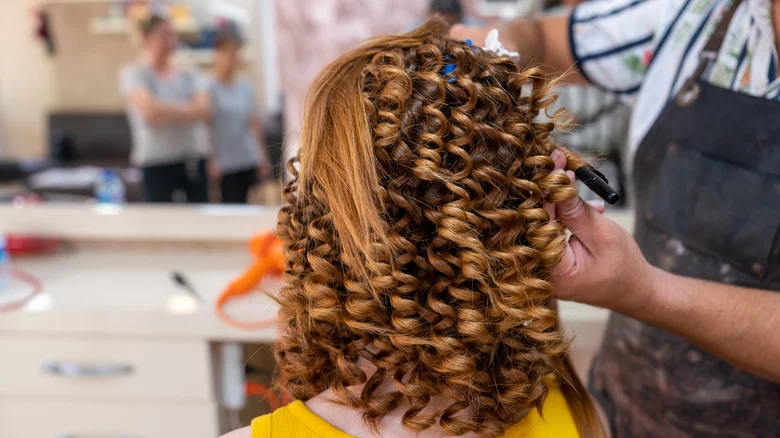
Many people dream of changing their hairstyle with both beautiful curls and a fresh new color, but one common question remains: can you perm and color hair safely without causing serious damage? The answer is yes, but the process requires careful planning because both treatments involve chemical changes that affect the hair structure. A perm reshapes the natural pattern of the hair by altering internal bonds, while coloring changes the pigment inside or around the hair shaft.
When performed correctly, combining a perm and color treatment can create a dramatic and stylish transformation. However, rushing both services, using unsuitable products, or applying chemicals to already weak hair can lead to dryness, frizz, breakage, and loss of elasticity. The condition of your hair before treatment is often more important than the hairstyle you want to achieve.
This guide explains how perm and color hair treatments work together, whether you should perm or color first, how long you should wait between services, how to protect different hair types, and what aftercare routine helps maintain healthy curls and vibrant color.
Can You Perm and Color Hair at the Same Time?
Yes, it is possible to combine perming and coloring, but doing both on the same day is usually not the safest choice for most people. Both treatments place stress on the hair because they require chemical processes that can change the structure and moisture balance of each strand. Even healthy hair can become more fragile when exposed to multiple chemical services in a short period.
Professional stylists usually evaluate the hair’s condition before recommending a timeline. Factors such as previous coloring, bleaching history, hair thickness, porosity, and elasticity all influence whether your hair can handle both treatments. Someone with strong, untreated hair may have more options, while someone with damaged or heavily processed hair may need a repair period first.
A safer approach is often to separate the treatments rather than rushing the transformation. Allowing time between perming and coloring gives the hair an opportunity to recover and helps the stylist achieve more predictable results. The exact waiting period depends on your hair condition and the type of products used.
How Perming and Hair Coloring Affect Your Hair
A perm works by changing the natural structure of your hair. During the process, chemicals soften and rearrange the bonds inside the hair shaft, allowing the stylist to create curls, waves, or additional volume. After the desired shape is formed, a neutralizing solution helps stabilize the new pattern. While modern perms are often gentler than older formulas, they still require careful handling.
Hair coloring affects the hair in a different way. Permanent color often uses ingredients such as peroxide and other developers to open the cuticle and allow pigment changes. Semi-permanent and demi-permanent colors usually work more gently because they focus more on depositing color rather than significantly changing natural pigment.
When both treatments are combined, the hair experiences multiple chemical processes. This can increase porosity, making the hair absorb and lose moisture more quickly. As a result, chemically treated hair often needs additional hydration, protection from heat, and a carefully planned maintenance routine.
Should You Perm or Color Your Hair First?
For many people, the recommended order is to perm first and color afterward. The reason is that perming can slightly affect existing color, especially if the hair has been recently dyed. Applying color after the perm allows the stylist to adjust the shade and create a more even final result.
Coloring before perming can sometimes create unexpected changes because the perm solution may alter the appearance of the color. This is especially important for bright shades, fashion colors, and carefully customized tones. The chemical process used during perming may cause fading or slight changes in how the color appears.
However, there is no single rule that works for everyone. The best approach depends on your hair history and desired result. A stylist should consider whether your hair is natural, previously colored, bleached, or damaged before deciding the safest order. A strand test can also help predict how your hair will react before applying a full treatment.
How to Know If Your Hair Is Ready for Perm and Color
Before combining chemical treatments, it is important to check whether your hair is strong enough to handle the process. Healthy hair generally has good elasticity, meaning it can stretch slightly and return to its original shape without breaking. Hair that feels extremely dry, rough, or weak may need repair before undergoing additional chemical services.
One warning sign is excessive breakage. If your hair snaps easily when brushing or feels unusually thin at the ends, adding more chemical stress may increase damage. Another concern is previous bleaching because lightening treatments can remove natural proteins and make the hair more vulnerable.
Hair porosity is also an important factor. Highly porous hair absorbs products quickly but may struggle to retain moisture. This can affect how evenly the color develops and how well the curls hold after a perm. A professional consultation can help determine whether your hair is ready or whether it needs strengthening treatments first.
Can You Perm and Color Bleached Hair?
Bleached hair requires extra caution because it has already experienced one of the most intensive chemical processes. Bleaching removes natural pigment from the hair and can weaken the internal structure, making the strands more fragile. Adding a perm on top of heavily bleached hair can increase the risk of dryness, breakage, and uneven results.
Some people with lightly highlighted or carefully maintained bleached hair may still be able to achieve a perm and color transformation, but it requires professional assessment. A stylist may recommend repairing the hair first with conditioning treatments or bond-building products before attempting another chemical service.
If your hair has severe damage, alternatives may be safer. Temporary waves, styling techniques, gloss treatments, or less aggressive color options can provide a refreshed appearance without placing additional stress on already weakened strands.
The Best Aftercare Routine for Permed and Colored Hair
After receiving a perm and color treatment, your hair needs a routine focused on moisture, protection, and gentle care. Chemically treated hair often becomes more sensitive, so using harsh shampoos or excessive heat can shorten the life of both your curls and your color.
Choose products designed for colored or chemically treated hair. Sulfate-free shampoos, moisturizing conditioners, and weekly deep-conditioning treatments can help maintain softness and reduce dryness. Leave-in conditioners can also improve manageability and protect the ends from becoming brittle.
Heat styling should be limited because high temperatures can weaken processed hair. When using blow dryers, curling tools, or straighteners, always apply a heat protectant. Protecting your hair from unnecessary stress helps preserve curl definition and prevents premature color fading.
Common Mistakes to Avoid With Perm and Color Hair
One of the most common mistakes is trying to achieve a major transformation too quickly. Combining multiple chemical services without considering hair health can create problems that are difficult to reverse. Patience is important because healthy hair usually produces better styling results than rushed treatments.
Another mistake is ignoring professional advice. Home coloring products and DIY chemical treatments may seem convenient, but they can create unpredictable results when combined with a perm. Different formulas have different strengths, and using incompatible products may increase the chance of damage.
Many people also underestimate the importance of maintenance. Even a successful salon treatment requires proper care afterward. Skipping conditioning, using harsh products, and applying frequent heat can quickly reduce the quality of the results.
Choosing the Right Approach for Different Hair Types
Fine hair usually requires extra care because thinner strands have less natural strength. People with fine hair may benefit from gentler formulas, shorter processing times, and longer recovery periods between chemical services.
Thick or coarse hair may appear stronger, but it can still become dry after chemical treatments. Maintaining moisture balance is important because thicker strands can lose softness and shine if they are not properly conditioned.
Naturally healthy, untreated hair often has more flexibility when considering a perm and color combination. However, every hair type responds differently, so professional evaluation remains the safest way to achieve the desired look while protecting hair health.
Conclusion
Combining a perm and color hair transformation can create an exciting new style, but the process should be approached with careful planning rather than speed. The safest results come from understanding your hair’s current condition, choosing the correct treatment order, and giving your hair enough time to recover between chemical services.
A successful transformation is not only about achieving curls and color; it is also about maintaining strength, softness, and long-term hair health. With professional guidance, suitable products, and consistent aftercare, you can enjoy a stylish look while reducing the risk of unnecessary damage.
Whether you want natural waves, defined curls, or a bold color change, the right preparation and maintenance routine can help you achieve beautiful results with healthier-looking hair.
FAQs
Can you perm and color hair on the same day?
It is possible, but separating the treatments is usually safer because both processes can increase chemical stress on the hair.
Should you perm or color your hair first?
Many professionals recommend perming first and coloring afterward, but the best order depends on your hair condition and desired result.
How long should you wait between a perm and color treatment?
The waiting time varies, but many stylists recommend allowing time between services based on hair strength and previous chemical treatments.
Can you perm and color bleached hair safely?
It can be risky because bleached hair is weaker, so a professional assessment is recommended before adding another chemical treatment.
How do you maintain permed and colored hair?
Use gentle products, deep-condition regularly, limit heat styling, and protect your hair from dryness to maintain curls and color.
You May Also Read: Washer Dryers Any Good