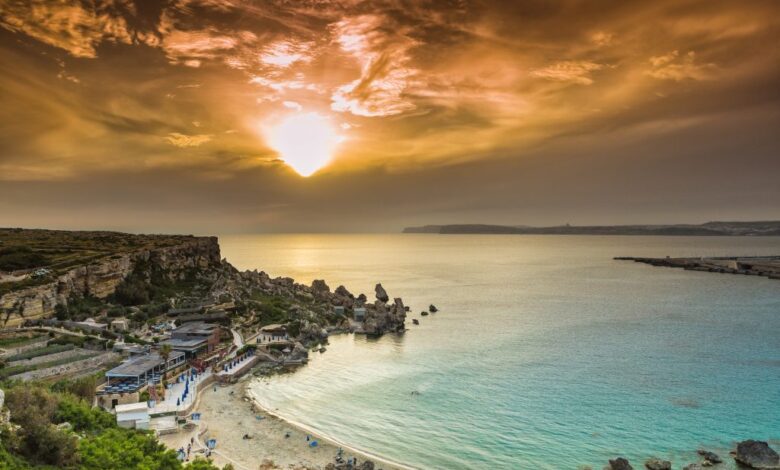
Weather in Malta, a small island nation located in the heart of the Mediterranean Sea, is widely known for its warm climate, clear blue waters, and year-round sunshine. When people search for weather in Malta, they are usually planning a holiday, a long-term stay, or simply trying to understand why this destination is considered one of Europe’s sunniest spots. Its strategic location between Southern Europe and North Africa gives it a unique Mediterranean climate that attracts millions of visitors each year.
The weather in Malta plays a major role in shaping its tourism industry, lifestyle, and outdoor culture. Unlike many European countries that experience harsh winters, Malta enjoys relatively mild seasonal changes. Summers are hot and dry, while winters remain cool but rarely extreme. This consistency makes Malta an appealing destination for beach lovers, history enthusiasts, and outdoor travelers throughout the year.
Understanding Weather in Malta patterns helps travelers choose the best time to visit and plan activities effectively. Whether someone is interested in swimming in crystal-clear waters, exploring ancient cities, or enjoying outdoor festivals, the climate plays a key role in shaping the overall experience. This guide provides a detailed breakdown of Weather in Malta year-round weather, seasonal changes, and travel insights.
Year-Round Climate Overview of Malta
The weather in Malta is classified as a classic Mediterranean climate, which is characterized by hot, dry summers and mild, wetter winters. One of the most remarkable features of Malta’s climate is its abundance of sunshine. On average, the islands enjoy more than 300 sunny days per year, making it one of the sunniest destinations in Europe.
Temperatures in Malta remain relatively stable compared to other regions. During summer, average daytime temperatures often range between 28°C and 35°C (82°F to 95°F), while winter temperatures rarely drop below 10°C (50°F). This mild variation creates a comfortable environment for both tourists and locals. The consistent warmth also makes Malta an attractive destination for those looking to escape colder climates.
Rainfall in Malta is relatively low and mostly concentrated during the winter months, from November to February. Summers are typically dry, with very little precipitation. This seasonal balance between dry and wet periods helps maintain the island’s natural beauty while supporting agriculture and water supply systems.
Another important factor is humidity, which can rise during summer due to Malta’s coastal location. However, sea breezes often help moderate the heat, making the climate more tolerable. The surrounding Mediterranean Sea also plays a crucial role in regulating temperature, ensuring that extreme weather conditions are rare.
Seasonal Breakdown of Weather in Malta
Spring (March to May)
Spring in Malta is one of the most pleasant times of the year. Temperatures gradually rise from around 17°C in March to 25°C in May. The landscape becomes greener, and wildflowers bloom across the countryside, creating a vibrant and colorful environment.
This season is ideal for outdoor activities such as hiking, sightseeing, and exploring historical sites. The Weather in Malta is warm but not too hot, making it perfect for travelers who prefer comfortable conditions without the summer crowds.
Summer (June to August)
Summer in Malta is hot, sunny, and dry. Temperatures often exceed 30°C, especially in July and August, which are the peak tourist months. The long daylight hours and warm sea temperatures make it ideal for beach holidays and water sports.
During this period, the island becomes a hub for tourists, festivals, and nightlife. However, the intense heat can be challenging for some visitors, so staying hydrated and using sun protection is essential. Coastal breezes provide some relief, especially near the sea.
Autumn (September to November)
Autumn is a transitional season in Malta, where the intense summer heat begins to fade. September still feels like summer, with warm sea temperatures perfect for swimming. As the season progresses, temperatures gradually drop, and rainfall becomes more frequent.
This is considered one of the best times to visit Malta due to fewer crowds and comfortable Weather in Malta. Outdoor exploration, cultural tours, and beach activities remain enjoyable throughout early autumn.
Winter (December to February)
Winters in Malta are mild compared to most European countries. Temperatures typically range between 10°C and 17°C. While this is the wettest season, rainfall is still moderate and does not usually last for long periods.
Despite cooler conditions, Malta remains active during winter. Tourists can enjoy cultural attractions, historical sites, and indoor activities without the summer crowds. The island retains a peaceful atmosphere, making it ideal for relaxed travel experiences.
Monthly Weather Trends and Temperature Insights
Malta’s monthly Weather in Malta patterns show a clear progression of seasonal changes. The hottest months are July and August, where temperatures peak and tourism reaches its highest level. January and February are the coolest months, though still relatively mild compared to mainland Europe.
Rainfall is concentrated between November and February, while the rest of the year remains largely dry. Sunshine hours are highest in summer, often exceeding 10–12 hours per day. Even in winter, Malta still enjoys a significant amount of sunshine compared to many European destinations.
Sea temperatures also vary throughout the year. During summer, the Mediterranean waters warm up to around 25°C–27°C, making swimming extremely comfortable. In winter, sea temperatures drop but remain relatively mild.
Wind patterns also influence Weather in Malta, with occasional strong winds during transitional seasons. However, extreme Weather in Malta events are rare, making Malta a stable and predictable climate destination.
Best Time to Visit Malta Based on Weather
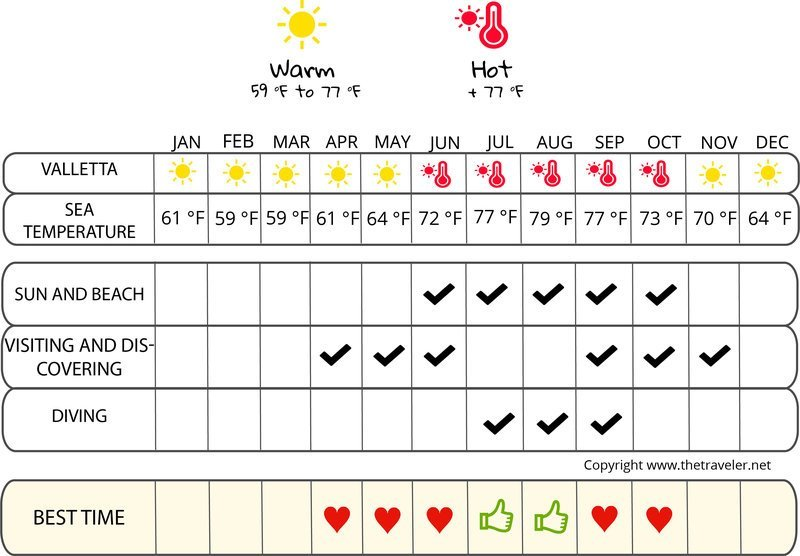
The best time to visit Malta largely depends on travel preferences. For beach lovers and sunseekers, the ideal period is between June and September, when the Weather in Malta is hot and the sea is warm. This is also the busiest tourist season, offering vibrant nightlife and cultural events.
For travelers who prefer mild Weather in Malta and fewer crowds, spring (April to June) and autumn (September to October) are perfect. These seasons provide comfortable temperatures and excellent conditions for sightseeing, hiking, and photography.
Winter is best suited for cultural tourism and budget travel. While swimming is less common, visitors can explore Malta’s historical landmarks and enjoy a quieter atmosphere.
Travel Tips for Weather in Malta Conditions
Packing for Malta depends on the season. In summer, lightweight clothing, sunscreen, hats, and sunglasses are essential due to strong sunlight. In winter, a light jacket and waterproof clothing are recommended for occasional rain.
Hydration is important during hot months, especially for outdoor activities. Travelers should also plan sightseeing during early morning or late afternoon to avoid peak heat hours.
For those engaging in water sports or beach activities, checking daily weather updates ensures safety and comfort. Seasonal planning helps maximize the travel experience in Malta’s diverse climate conditions.
Conclusion
The weather in Malta is one of its strongest attractions, offering a reliable Mediterranean climate with abundant sunshine, warm summers, and mild winters. Its seasonal balance makes it a year-round destination suitable for beach holidays, cultural exploration, and outdoor adventures.
Understanding Malta’s weather patterns helps travelers choose the best time to visit and enjoy everything the islands have to offer. Whether basking in summer sun or exploring historic streets in winter, Malta’s climate ensures a memorable experience throughout the year.
FAQs
What is the weather like in Malta year-round?
Malta has a Mediterranean climate with hot summers and mild winters.
What is the hottest month in Malta?
July and August are typically the hottest months.
Does it rain a lot in Malta?
No, most rainfall occurs in winter, and summers are mostly dry.
Is Malta good to visit in winter?
Yes, winters are mild and ideal for sightseeing and cultural trips.
When is the best time to visit Malta for beaches?
June to September offers the best beach weather conditions.
How warm is the sea in Malta?
Sea temperatures are warmest in summer, perfect for swimming and water sports.
You May Also Read: Madeleine McCann Update