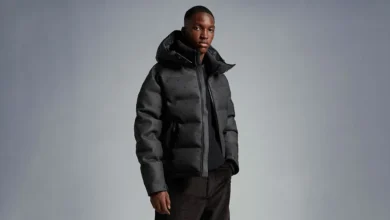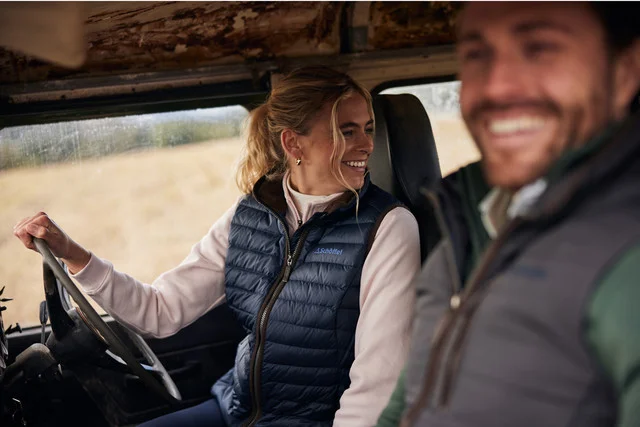
The gilet is a versatile piece of clothing that has seamlessly blended fashion and function over the years. Often described as a sleeveless jacket or vest, the gilet serves multiple purposes: providing warmth without restricting movement, layering in unpredictable weather, and making a stylish statement. From alpine slopes to city streets, gilet have become a wardrobe essential for those who want comfort and style in one piece.
Gilets have evolved from purely functional garments, often worn by hunters or outdoor enthusiasts, into trendy fashion items embraced by men, women, and even children. Today, they are available in a wide variety of materials, designs, and price ranges, allowing consumers to choose according to their needs—whether for sport, casual wear, or professional layering. This versatility is what makes gilets stand out in the modern fashion world.
In this article, we’ll explore everything you need to know about gilets: their history, types, benefits, styling tips, and maintenance. By the end, you’ll understand why this sleeveless garment has earned its place as a wardrobe staple and how to make it work for you.
What is a Gilet?
A gilet, sometimes referred to as a vest, is a sleeveless jacket designed to provide warmth without the bulk of full-sleeved coats. Originating in Europe, gilets were traditionally worn for outdoor activities such as hunting and hiking, offering protection against wind and cold while allowing free movement of the arms. Over time, the garment became popular beyond outdoor settings and entered mainstream fashion.
Modern gilets are made from a variety of materials, each suited to different purposes. Down-filled gilets offer maximum insulation for cold weather, while fleece gilets provide lightweight warmth and comfort. Synthetic gilets, often waterproof or windproof, are ideal for active outdoor wear. Designers have also embraced quilted and padded styles to combine functionality with contemporary aesthetics, making gilets suitable for casual and semi-formal outfits.
There are also different types of gilets based on their function. Fashion gilets focus on style, color, and silhouette, often worn as statement pieces. Utility gilets prioritize functionality, with pockets, zippers, and weather-resistant fabrics. Knowing the differences between these types helps buyers choose the right gilet for their lifestyle, activity, and climate, ensuring both comfort and style.
Benefits of Wearing a Gilet
One of the main advantages of wearing a gilet is its versatility in layering. Unlike bulky jackets, a gilet can be worn over light sweaters, shirts, or even hoodies, providing warmth without restricting movement. This makes it perfect for transitional seasons like spring and fall when temperatures fluctuate throughout the day. Outdoor enthusiasts especially appreciate gilets for hiking or cycling because they keep the core warm while allowing freedom in the arms.
Gilets are also lightweight yet provide substantial insulation, making them ideal for activities that require mobility. Unlike full jackets, a gilet won’t weigh you down, which is particularly important during physical activities such as trekking, running, or skiing. Additionally, their compact design allows them to be easily packed into a bag, making them convenient for travel.
Fashion-conscious individuals also find gilets appealing because they strike a balance between casual and polished looks. Whether paired with jeans and boots or layered over tailored trousers and a shirt, a gilet adds dimension to an outfit. Many designers have embraced this sleeveless silhouette to create elegant yet functional outerwear, proving that gilets can be as stylish as they are practical.
How to Choose the Right Gilet
Choosing the right gilet requires consideration of several factors. Material is critical; down or synthetic insulation provides warmth, while fleece is ideal for moderate temperatures. Waterproof or windproof fabrics are essential for outdoor adventures. Fit is equally important: a gilet should be snug enough to trap warmth but loose enough to allow layering underneath.
Different activities require different designs. Outdoor adventurers should focus on functional gilets with multiple pockets, breathable fabrics, and weather-resistant properties. Fashion gilets, on the other hand, can prioritize color, texture, and silhouette to complement personal style. Gender-specific designs also matter, as women’s gilets may have tailored cuts and lighter insulation, while men’s options often focus on durability and utility.
Price versus quality is another important consideration. A high-quality gilet may cost more but often lasts longer and performs better in harsh conditions. Budget-friendly options may be suitable for casual use, but they may not provide the same level of warmth or durability. Considering all these factors ensures that your investment in a gilet will be worthwhile.
Styling Tips and Outfit Ideas

Gilets are incredibly versatile and can be styled in numerous ways. For casual daywear, layer a neutral-colored gilet over a t-shirt or lightweight sweater with jeans and sneakers. This combination provides warmth without looking bulky and adds visual interest through layering. Accessories like scarves or beanies can enhance the outfit while maintaining practicality.
For a slightly more polished look, wear a tailored gilet over a button-down shirt and pair it with chinos or dress pants. This is a great option for smart-casual office wear or evening outings. Women can pair quilted or down gilets with skirts or tailored trousers, balancing warmth with style. The key is to ensure that the gilet complements the overall silhouette without overpowering other elements of the outfit.
Outdoor enthusiasts can also make gilets part of their functional wardrobe. Pair waterproof gilets with hiking pants, thermal layers, and sturdy boots for a practical yet stylish outdoor look. Lightweight gilets can be layered under a shell jacket for extra warmth on particularly cold or windy days. With the right approach, gilets can transition effortlessly between casual, outdoor, and semi-formal looks.
Maintenance and Care
Maintaining your gilet is essential for prolonging its lifespan. Different materials require different care: down gilets often need gentle machine washing or professional cleaning, while fleece gilets can be washed in regular cycles on low heat. Always follow the care label instructions to avoid damaging insulation or fabric.
Storing gilets properly is also important. Avoid hanging heavy gilets for long periods, as this can distort their shape. Fold lightweight and padded gilets carefully and store them in a cool, dry place. Repairing minor damages such as small tears or loose zippers promptly can prevent larger issues, ensuring that the gilet remains functional and stylish for years to come.
Proper care not only maintains warmth and comfort but also preserves the aesthetic appeal of the gilet. Investing time in cleaning, storing, and minor repairs ensures that your gilet continues to perform well and look great season after season.
Conclusion
The gilet is a versatile, stylish, and functional garment that has earned its place in modern wardrobes. Whether you are an outdoor enthusiast, a fashion-conscious individual, or someone seeking lightweight warmth, there is a gilet suited for your needs. By understanding different types, benefits, and styling options, you can make the most of this unique sleeveless garment. Investing in a quality gilet ensures comfort, practicality, and a touch of style, making it an indispensable piece for all seasons.
FAQs
What is the difference between a gilet and a vest?
A gilet is a type of sleeveless jacket often designed for warmth, while a vest can be both formal and casual, sometimes without insulation.
Can gilets be worn in all seasons?
Yes, lightweight gilets are suitable for spring and fall, while insulated or down gilets are perfect for winter.
Are gilets suitable for formal occasions?
Certain tailored or quilted gilets can be worn for smart-casual events, especially when layered over shirts or sweaters.
How do I choose the right size gilet?
Ensure a snug fit around the torso without restricting arm movement. Consider layering requirements as well.
Can I layer a gilet over a jacket?
Lightweight gilets can be layered over thin jackets or under heavier coats for extra warmth.
What materials are best for waterproof gilets?
Synthetic fabrics with water-resistant coatings or technical shell fabrics are ideal for wet conditions.
How should I wash my down gilet?
Use gentle washing cycles with mild detergent and dry carefully, often with tennis balls to maintain loft.
You May Also Read: Stealthgram