
The Nigerian Tribune stands as one of the most influential and enduring newspapers in Nigeria’s media history. For decades, it has played a vital role in shaping public opinion, documenting national events, and giving voice to diverse perspectives across the country. As one of Nigeria’s oldest surviving newspapers, Nigerian Tribune is more than just a news outlet—it is a historical institution that reflects the nation’s political, social, and cultural evolution.
In a country as diverse and complex as Nigeria, the press has always served as a bridge between the government and the people. Nigerian Tribune has consistently fulfilled this responsibility by providing factual reporting, critical analysis, and thoughtful commentary. Its relevance has endured through colonial rule, military regimes, and democratic transitions, making it a trusted source of information for generations of readers.
This article explores the history, editorial philosophy, content coverage, digital transformation, societal impact, challenges, and future outlook of Nigerian Tribune. By examining its journey and contributions, readers can better understand why the publication continues to hold a respected position in Nigeria’s competitive media landscape.
History and Founding of Nigerian Tribune
The Nigerian Tribune was founded in 1949 by Chief Obafemi Awolowo, one of Nigeria’s most prominent nationalist leaders and statesmen. Established during the late colonial era, the newspaper was created as a platform to promote nationalist ideas, educate the public, and challenge colonial policies that affected Nigerians. At a time when access to independent information was limited, Nigerian Tribune emerged as a bold voice advocating self-governance, social justice, and political awareness.
From its early years, Nigerian’Tribune distinguished itself through fearless reporting and intellectual depth. Unlike many publications of the time, it focused on issues affecting ordinary Nigerians, including education, regional development, and political representation. The paper quickly gained a loyal readership, especially in the western region of Nigeria, where it became a major source of political education and public enlightenment.
Over the decades, Nigerian Tribune evolved alongside the nation itself. It survived political repression, censorship, and economic challenges that forced many media organizations to shut down. Its longevity is a testament to strong institutional foundations, adaptive leadership, and a commitment to journalistic purpose. Today, Nigerian Tribune remains a symbol of resilience and historical continuity in Nigerian journalism.
Editorial Philosophy and Journalistic Values
At the heart of Nigerian Tribune’s success is its strong editorial philosophy rooted in independence, integrity, and public service. From its inception, the newspaper positioned itself as an advocate for the people, committed to holding those in power accountable regardless of political affiliation. This independent stance has helped Nigerian Tribune maintain credibility even during periods of political instability.
The publication places a strong emphasis on ethical journalism. Accuracy, balance, and fairness are central to its reporting style, ensuring that stories are well-researched and responsibly presented. Opinion pieces and editorials are clearly distinguished from news reports, allowing readers to form informed opinions based on facts rather than bias. This disciplined editorial structure has earned the trust of readers across generations.
Nigerian Tribune has also played a crucial role in promoting democratic values and freedom of expression. By providing space for diverse opinions, intellectual debates, and investigative journalism, it has contributed to national conversations on governance, human rights, and development. Its editorial values continue to guide its mission in an era where misinformation and sensationalism are growing concerns.
Nigerian Tribune’s Coverage and Content Areas
Nigerian Tribune offers comprehensive coverage across a wide range of topics, making it a well-rounded news source. Political reporting remains one of its core strengths, with detailed coverage of elections, governance, policy decisions, and legislative activities. Through in-depth analysis and expert commentary, the paper helps readers understand the implications of political developments at both national and regional levels.
Beyond politics, Nigerian Tribune delivers consistent coverage of business and economic issues. Reports on markets, entrepreneurship, agriculture, and fiscal policy provide valuable insights for professionals, investors, and policymakers. By highlighting economic trends and challenges, the newspaper contributes to informed decision-making and national economic discourse.
The publication also places strong emphasis on social issues, culture, education, sports, and entertainment. Human-interest stories, cultural commentary, and lifestyle features reflect everyday Nigerian life and celebrate the country’s diversity. Opinion columns and investigative reports further enrich the content, positioning Nigerian’Tribune as a platform for both news and thoughtful reflection.
Digital Transformation and Online Presence
Like many traditional newspapers, Nigerian Tribune has undergone significant digital transformation to remain relevant in the modern media environment. The launch and continuous development of its online platform have expanded its reach beyond print circulation, making news accessible to a global audience. Readers can now access breaking news, features, and opinion pieces in real time through the website.
Social media has also become a key component of Nigerian Tribune’s digital strategy. By leveraging platforms such as Facebook, X (formerly Twitter), and Instagram, the newspaper engages younger audiences and encourages interactive discussions. This digital presence has allowed Nigerian’Tribune to remain competitive in an era dominated by fast-paced online news consumption.
Despite the opportunities of digital journalism, the transition has not been without challenges. Issues such as monetization, content piracy, and maintaining editorial quality online continue to test traditional media organizations. Nevertheless, Nigerian’Tribune’s willingness to innovate demonstrates its commitment to staying relevant while upholding its journalistic standards.
Impact and Influence in Nigerian Society
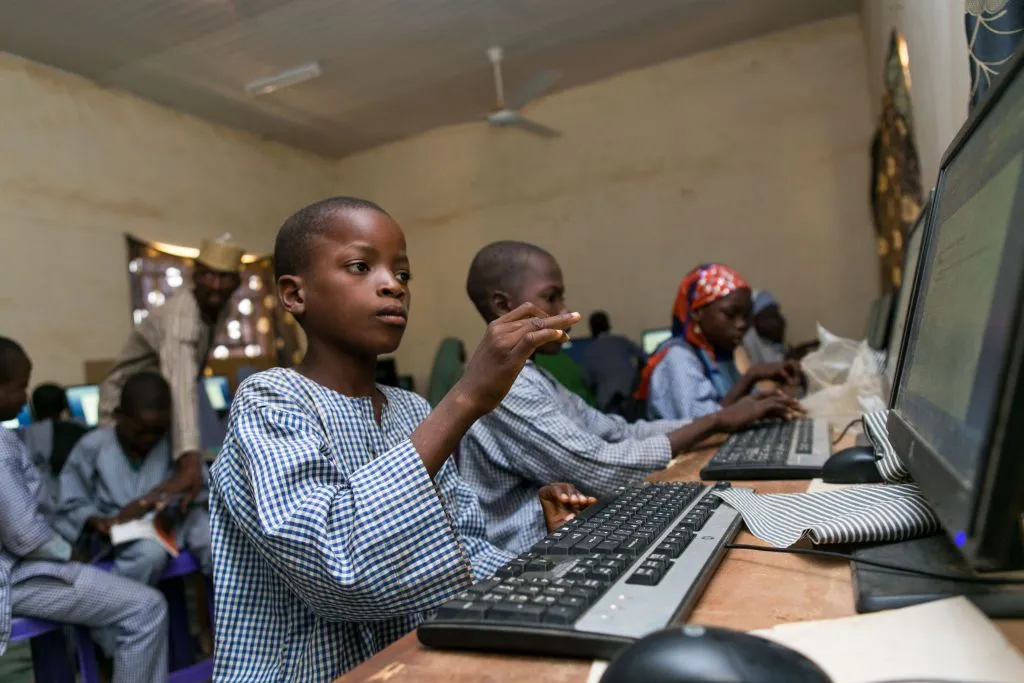
The influence of Nigerian Tribune on Nigerian society cannot be overstated. Over the decades, it has shaped public opinion, influenced political discourse, and served as a historical record of national events. Its reporting has contributed to policy debates, electoral awareness, and civic engagement, reinforcing the role of the media in democratic governance.
During critical moments in Nigeria’s history, Nigerian’Tribune provided clarity and context when information was scarce or controlled. Its courageous journalism during military regimes and political crises earned it respect among intellectuals, activists, and the general public. The paper’s archives remain a valuable resource for researchers and historians studying Nigeria’s political evolution.
Recognition through awards and industry acknowledgment further underscores its impact. Nigerian Tribune’s legacy lies not only in longevity but also in its consistent contribution to national development through informed journalism and public enlightenment.
Challenges Facing Nigerian Tribune
Despite its strong legacy, Nigerian Tribune faces several challenges common to modern media organizations. Increased competition from digital-only news platforms and social media influencers has fragmented audience attention. Maintaining readership loyalty in an era of free online content remains a significant hurdle.
Financial sustainability is another major concern. Declining print advertising revenue and rising operational costs place pressure on traditional newspapers. Additionally, issues of press freedom, journalist safety, and political interference continue to affect media operations in Nigeria.
Adapting to rapidly changing reader preferences while preserving journalistic integrity requires careful balance. Nigerian Tribune must continuously innovate without compromising the values that define its identity.
Future Outlook of Nigerian Tribune
The future of Nigerian Tribune lies in strategic innovation and audience engagement. Investing in digital storytelling, multimedia content, and data journalism can enhance reader experience and attract younger demographics. Strengthening investigative reporting will further reinforce its reputation for credibility and depth.
Expanding partnerships, improving digital monetization, and embracing technology-driven journalism are essential for long-term sustainability. At the same time, preserving its historical identity and editorial independence remains crucial.
With a strong foundation and a clear vision, Nigerian Tribune is well-positioned to remain a leading voice in Nigerian journalism for generations to come.
Conclusion
Nigerian Tribune is more than a newspaper; it is a cornerstone of Nigeria’s media history. Its legacy of independent journalism, public service, and resilience continues to define its relevance in a changing media landscape. By adapting to modern challenges while staying true to its core values, Nigerian Tribune remains a trusted source of information and a vital institution in Nigerian society.
Frequently Asked Questions (FAQs)
What is Nigerian Tribune known for?
Nigerian Tribune is known for independent journalism, political analysis, and historical significance.
Who founded Nigerian Tribune?
It was founded by Chief Obafemi Awolowo in 1949.
Is Nigerian Tribune still in print?
Yes, it operates in both print and digital formats.
Does Nigerian Tribune have an online platform?
Yes, it has an active website and social media presence.
How reliable is Nigerian Tribune as a news source?
It is widely regarded as a credible and trusted news organization in Nigeria.
What type of content does Nigerian Tribune cover?
It covers politics, business, economy, culture, sports, lifestyle, and opinion pieces.
You May Also Read: Oscar Piastri Girlfriend